
How to volunteer in Europe through work exchange
Accommodation is usually the biggest expense when you travel around most European countries, and that was one of the main reasons I decided to volunteer in Europe. In the middle of a long backpacking trip, I traded a few hours of work a day for a bed in a hostel in Budapest and for a private room with all meals included in a country house near Nantes, in France. And besides saving a lot of money, I had experiences that were way more interesting than anything I would have had just traveling as a tourist.
In this article, I explain how this kind of exchange works on the continent, how much it costs, how to choose a position and what to watch out for. I also talk about the platforms I’ve used, Worldpackers and Workaway, and a few alternatives.
But before we start, a quick clarification: when I talk about “volunteering” in Europe in this article, I don’t mean humanitarian projects or formal volunteer programs with their own visa. I mean what’s also called a work exchange: you help out a few hours a week and, in return, get a place to sleep and often meals and other perks.
How to volunteer in Europe: the first steps
The idea is simple: a host posts an opening on a platform saying what they need help with, how many hours of help they’re looking for and what they offer in return. You apply, chat with them, and if you’re both on board, you agree on dates.
In practice, the first step is creating a profile on the platform, which is free, and browsing the listings. To message hosts and apply, you pay an annual membership, which lets you go on as many trips as you want during that year.
Then it’s time to write to the places that caught your eye, telling them who you are and why you want to go. Sometimes the host asks for something extra before accepting you: in Budapest, for example, they asked me for a video introducing myself.
Once you’re accepted, you confirm the trip on the platform and sort out the rest yourself, like transportation, insurance and documents. At the end, you and your host leave reviews for each other, which really helps whoever comes next.
The workload varies. Many positions ask for around 20 to 25 hours a week, with two days off, but that’s just a reference: always read what each listing says. It’s also common for hosts to ask for a minimum stay, often two weeks, because it takes a while to get into the rhythm of a place. The maximum stay is usually stated in the description too.
This works the same way anywhere in the world. One of the main differences in Europe compared to, say, South America or Southeast Asia, is how much accommodation costs. A bed in a hostel dorm in cities like Paris, Amsterdam or Lisbon can eat up a big chunk of a travel budget, so every week of accommodation you trade for work makes a real difference.
To give you an idea, one or two nights in a dorm in some of Europe’s most popular destinations cost about the same as an annual membership on platforms like Worldpackers (which is 10 USD cheaper with my code JANELASABERTAS) and Workaway.
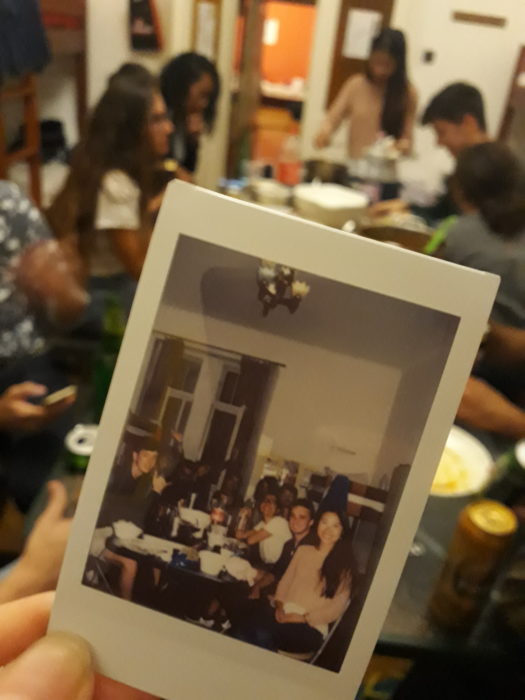
In the photo below, I’m with my volunteer friends in Budapest, Hungary’s capital. One of them is still one of my best friends today.
Types of hosts, tasks and perks
When browsing opportunities for volunteering in Europe, you’ll find everything from hostels in capital cities to family homes and guesthouses in the countryside, farms, sailboats and eco projects, and the experience changes a lot depending on the type of host.
Hostels are the easiest positions to find in tourist cities. Tasks usually include reception, cleaning and making beds, but there are also positions for things like organizing events or handling social media, which was my case. In return, you usually get a bed in a dorm, laundry access, sometimes breakfast and extra perks like bikes, yoga classes and so on. It’s the ideal kind of position if you want to be in a city, have a social life and live with other volunteers from all over the world. English is usually the main language in these places, even when it’s not the country’s official language, since hostels often have that international vibe.
Family homes offer something else: immersion. You might help with gardening, painting, small renovations, kids or animals, and in return you often get a room and meals with the family. That’s what I did in France, and I think it’s a great option if you want to practice the local language and see how people live outside the tourist circuit.
Farms call for physical work, like gardening, harvesting, looking after animals and small construction jobs, and if you’re into rural life, the experience is a joy. Eco and community projects are similar, focusing on permaculture, natural building or maintaining shared spaces, and they tend to involve more intense group living. They can also be a great choice if you want to learn about agroecology and related practices.
Beyond these more common types, Europe has plenty of more unusual work exchange opportunities. I’ve seen positions like helping maintain a castle in France, living on a boat anchored near a beautiful beach, joining the grape harvest to make wine in Italy, lending a hand with a traditional festival in the German countryside or working at a surf school on the coast of Portugal. It’s worth spending some time browsing the listings just for inspiration.
If you’re looking for volunteering with a social purpose, there are good options too. There are nonprofits working on issues like welcoming migrants and refugees, social inclusion and education that host volunteers in exchange for accommodation.
And if you love animals, there are lots of positions involving them: dog and cat shelters, sanctuaries for rescued animals, farms and stables where you help care for horses. They’re great whether you support animal causes or simply want to spend some time around animals.
Read more:
Worldpackers jobs: a guide to the different volunteer roles
How to get a volunteering job at hostels
Where to go: way beyond Western Europe
Volunteering is also a great way to break away from the classic Europe itinerary. It’s well worth considering lesser-known countries like Albania, with gorgeous beaches and low prices; Georgia, with stunning mountains and a wine tradition that goes back thousands of years; or Estonia, with a charming medieval capital and lots of nature. Eastern Europe and the Balkans in general have a lower cost of living, lots of hospitality and cultures many travelers know little about.
At the other extreme, if you volunteer in Europe, it can be a way to visit places that would otherwise be too expensive for a lot of people, like Denmark and the other Scandinavian countries, Switzerland or big capitals like Paris and London. In those places, saving on accommodation makes a huge difference.
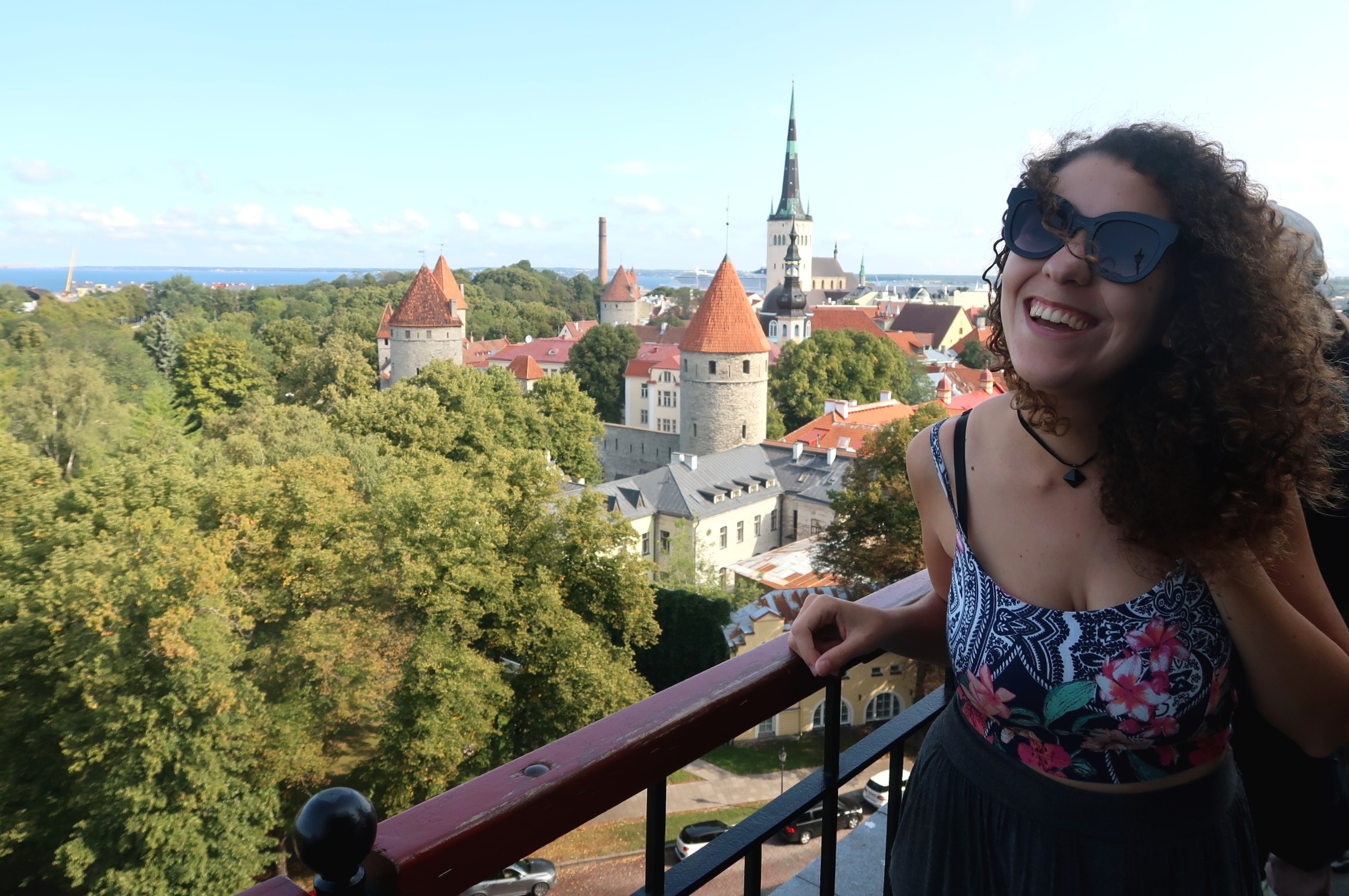
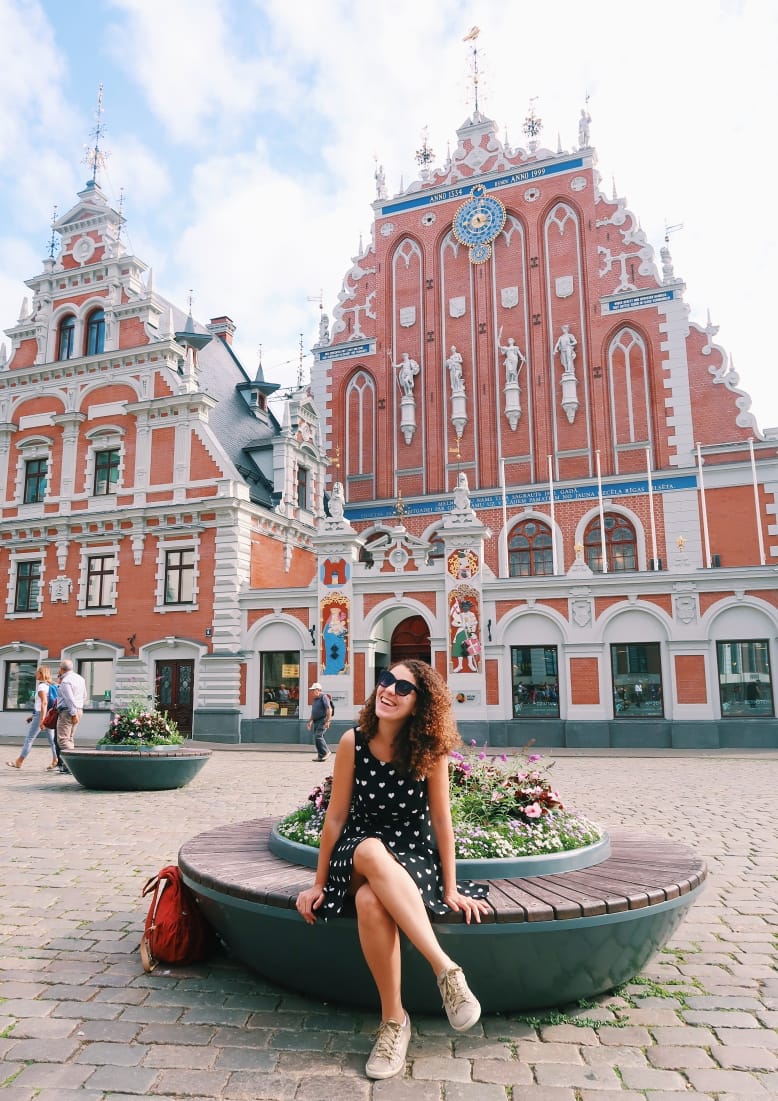
But keep in mind that positions in the most popular cities tend to be very competitive and, precisely because there’s no shortage of people wanting to go, they don’t always offer perks as good as those in less sought-after places. I loved countries like Bosnia, Slovenia, Finland and Estonia (photo below), for example.
My volunteering experiences in Europe
As I mentioned, I did two work exchanges in Europe while traveling around the continent for a few months, and they were very different, but both amazing experiences. They were definitely the highlights of the trip.
In the French countryside, near Nantes
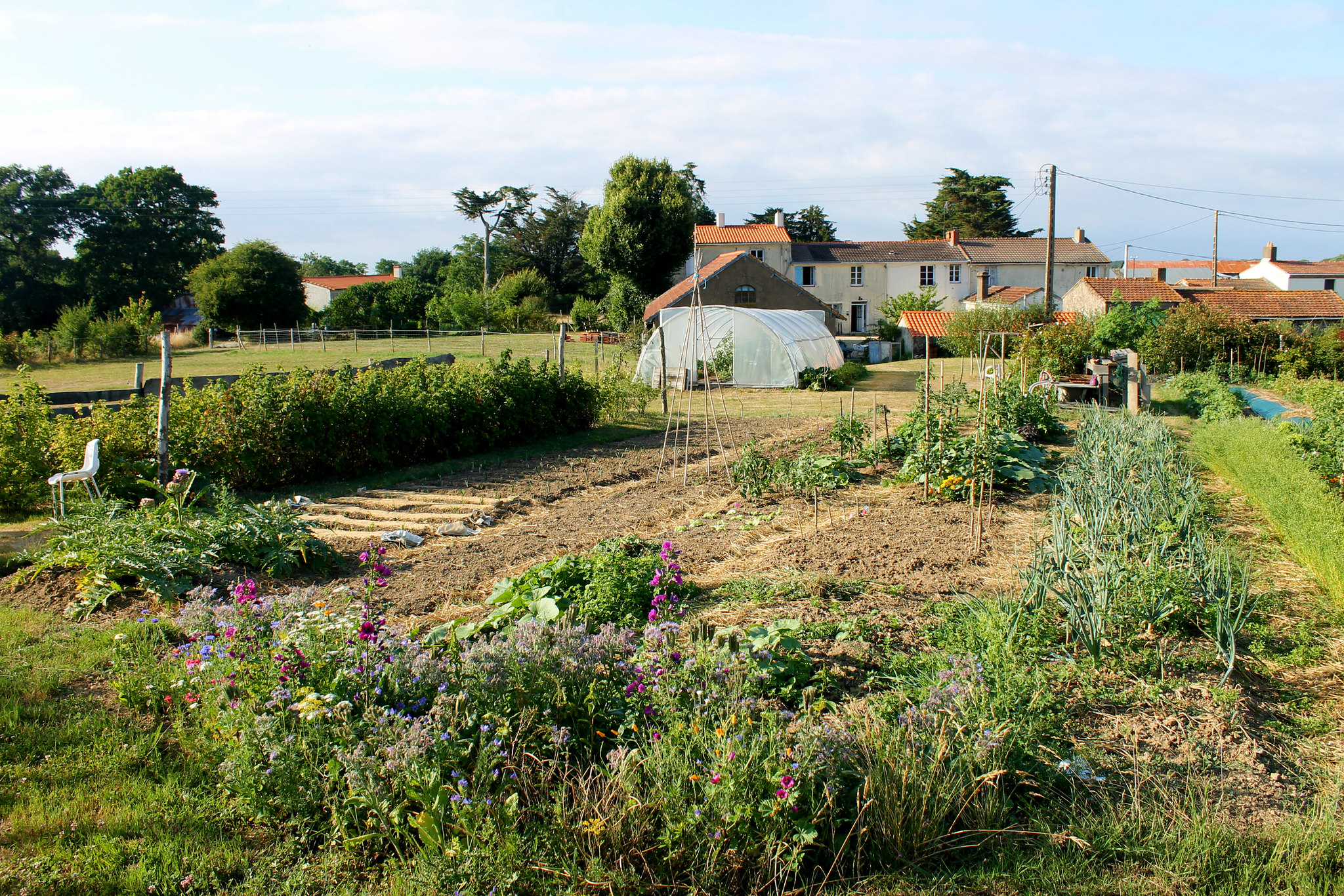
I found this position on Workaway: a country house belonging to an elderly couple in the Pays de la Loire region. One of my goals was to brush up on my French, which had gotten rusty, so I deliberately chose a family home in a small town instead of a hostel in a tourist hotspot.
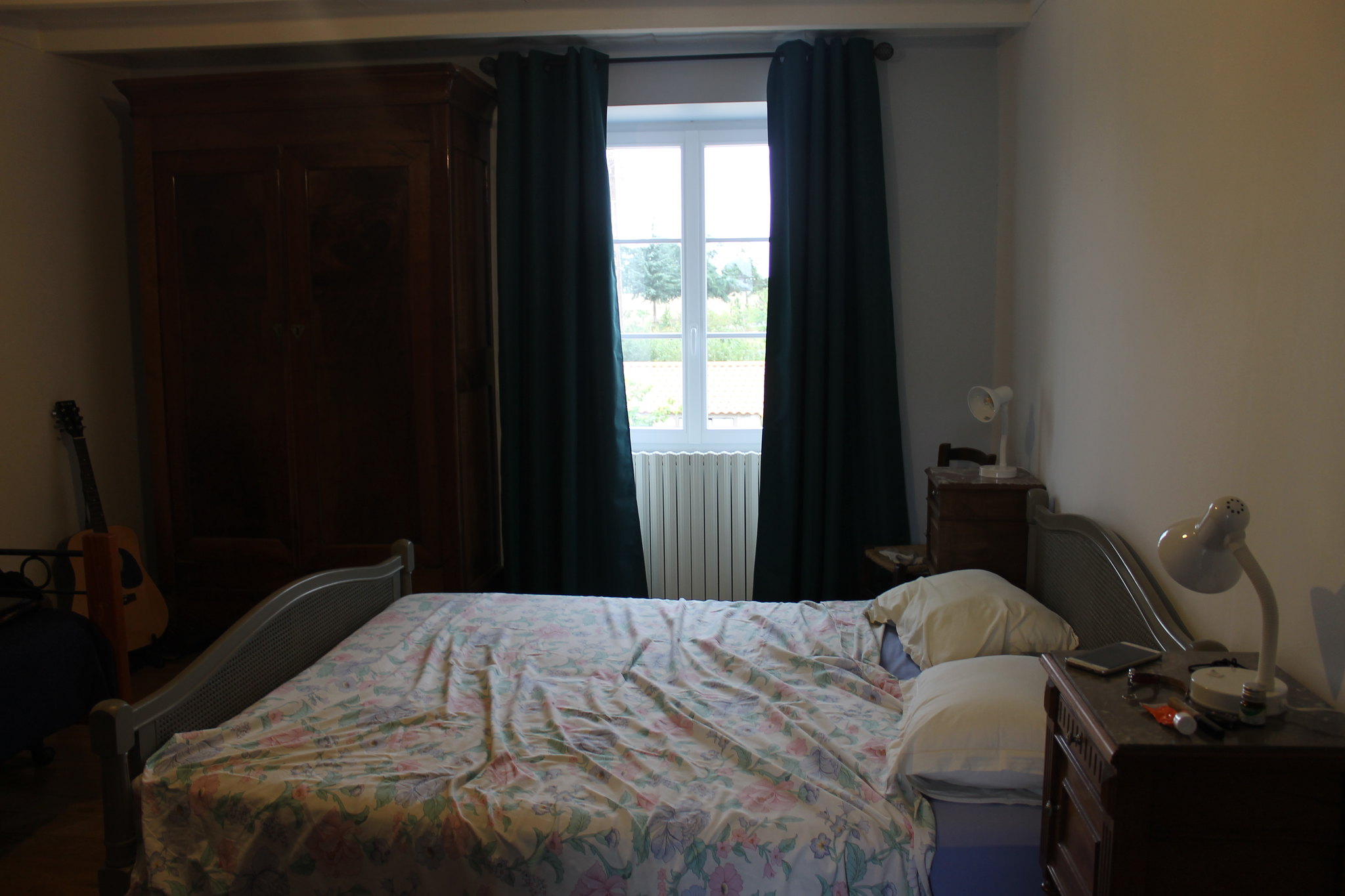
I spent two weeks with them, working an average of around 25 hours a week in the vegetable garden and the greenhouse. I knew nothing about gardening, and they were very patient teaching me. In return, I had a room all to myself (sharing a bathroom with them) and all my meals, always plentiful and organic. Even when we went out, they insisted on paying for whatever I had.
What stuck with me the most was living with them. They took me to visit towns in the region, included me in family plans and cared about my well-being, to the point of telling me to take a break when it was too hot. But it wasn’t a vacation: it was real physical work, and by the end my back and knees were complaining a bit. It was totally worth it, but keep that in mind if, like me, you’re not used to it.
I also recorded a video (super amateur, and in Portuguese) showing the house and talking more about the experience:
At a hostel in Budapest, Hungary
A while later, still on the same trip, I got tired of traveling solo and felt like having a routine in a city I already knew well. I found a position on Worldpackers at a hostel in Budapest, handling their social media.
I stayed for two weeks. The deal was one post a day and a video at the end, with totally flexible hours and three days off a week, which I even used to pop over to Slovenia. In return, I had a bed in the volunteers’ dorm and laundry access, but meals were on me. Since Budapest is an affordable city, that didn’t weigh much.
The work was pretty easy, and the best part was the group of volunteers: people from all over the world who ended up becoming a kind of family. I made great friends and felt at home right away.
What I learned from both experiences
The main lesson was that the type of host defines the trip. At the family home, I got immersion in the language and in the daily life of people in rural France; at the hostel, I got friendships and an intense social life in a city I already loved. Neither is better than the other; it depends on what you’re looking for at that moment.
I also learned to look closely at what’s included. Having my meals covered in France meant I spent nothing there, while in Budapest food came out of my own pocket (which wasn’t a big deal since it’s a fairly cheap city). And in both cases, what was written in the listing matched reality exactly, but that wasn’t luck: clearing up all your questions with the host before confirming and reading plenty of reviews saves you a lot of frustration.
Worldpackers, Workaway and other platforms
The two platforms for volunteering in Europe I know firsthand are Worldpackers and Workaway. Both work with the annual membership I explained above. Prices and what each plan includes change from time to time, so check the websites before signing up.
Worldpackers is the one I recommend the most because it’s a company I know very well and trust a lot: I’ve traveled with them and I’ve also worked with them, so I can recommend them wholeheartedly. The listings clearly detail hours, days off and perks, and you can read reviews from people who have been there and even message those volunteers. And if something goes wrong during your stay, there’s an emergency accommodation refund, plus support from the team to help you find another place.
Communication with hosts usually happens in English or in the local language, whichever platform you use. If you don’t speak the local language, that doesn’t have to be an obstacle: with today’s translation tools, you can get by just fine in your messages.
You may have read (including in some of my older posts) that Workaway has far more listings in Europe than Worldpackers. That used to be true, but Worldpackers has grown a lot since then and now offers many more options to volunteer in Europe than it did back then.
Want to travel around Europe trading work for accommodation? Create your Worldpackers profile through this link and use the code JANELASABERTAS to get 10 USD off any plan.
That doesn’t mean Workaway doesn’t have its place. It’s older and still has a huge catalog, which is great if you’re looking for something very specific, like a small region, an unusual type of project or tight dates. If you want as many options as possible, it’s worth checking both.
At the end of the day, the platform matters less than the host: good reviews and a clear conversation before you go count for more than the website where you found the position.
There are other platforms with positions in Europe, but I haven’t used them, so I’ll just mention them. WWOOF focuses on organic farms and works through independent organizations and websites for each country, each with its own membership fee, which can get expensive if you want to visit several places. HelpX is one of the oldest websites of this kind, but it feels a bit outdated to me today.
Read more:
Worldpackers vs. Workaway: which is better for volunteering abroad?
Work exchange programs: best websites to volunteer abroad
How Worldpackers works
How to evaluate a position for volunteering in Europe
Before applying, I run every listing through a short checklist:
- Hours and days off: how many hours a day, how many days a week, which shifts.
- What’s included besides the bed: meals, laundry, bikes, Wi-Fi. Included meals make a big difference to your budget, but even kitchen access helps a lot.
- Type of accommodation: sharing a dorm with 15 other people for a month is very different from having your own room, but if the workload is light, the destination is very expensive or the project has an environmental or social purpose, it might make sense. Weigh up each scenario.
- Recent reviews: including the negative ones, and check whether the host replied politely. When in doubt, message someone who has been there (you can do that on Worldpackers).
- Location and transportation: a beautiful house 40 minutes by car from the nearest town can mean being stuck there on your days off if there’s nothing to do nearby.
Finally, check whether the minimum stay fits your itinerary and the number of days you’re allowed to stay in the country (more on that below). And watch out for one red flag: if the position looks like a full-time unpaid job, with the volunteer doing what an employee should be doing, I recommend you skip it. That’s bad for you and for the local community.
When you apply, be genuine about who you are and why you want that specific position. Generic, copy-pasted messages may go unanswered. In the European high season (June to August), the most sought-after positions fill up early, so it’s worth starting your search ahead of time.
Read more: How to do a work exchange: complete guide
How much does volunteering in Europe cost?
This kind of volunteering cuts your accommodation costs to zero, but the trip still has other expenses. The main ones are:
- Getting there: flights if you’re coming from outside Europe, or trains, buses and budget flights if you already live on the continent.
- Getting around: trains, buses etc. if you’re planning on exploring the city or region on your days off.
- Travel and health insurance: some countries require it depending on your nationality, and either way I wouldn’t travel without it.
- Food when it’s not included, plus snacks and meals out on your days off.
- The platform membership.
- Outings and short trips on your days off, which are part of the point of being there, after all.
- A SIM card or eSIM, if your phone doesn’t already work in Europe.
- An emergency fund, in case you need to leave a position earlier than planned.
Some hosts charge an extra fee for accommodation or food, which some platforms allow as long as it’s stated in the listing (usually it’s only allowed for nonprofits).
Oh, and some good news about food: almost every position offers access to a shared kitchen, even the ones that don’t include meals. So, if you buy groceries at the supermarket and cook for yourself, the trip stays really affordable. What really adds up is eating out a lot.
Read more: How to travel for free: a practical guide
This was my private room at my volunteer position in France:
Visas and entry requirements
I’m not a lawyer and rules change, so treat what follows as a starting point and always check the entry requirements for your nationality with your own country’s authorities and the official websites of the country you’re going to.
Most of Europe is part of the Schengen Area, and many nationalities, including US, Canadian, British and Australian citizens, can visit for tourism without a visa for up to 90 days within any 180-day period. That limit adds up across all Schengen countries; it’s not 90 days in each one. If you plan to string together several positions, do the math carefully. If you’re an EU citizen, you can move freely within the EU, which makes things much simpler.
At the border, officers may ask for a return or onward ticket, travel insurance, proof of accommodation and proof that you have enough money to support yourself. The UK and Ireland aren’t part of the Schengen Area and have their own rules, so if you’re heading there, check their specific requirements before you go.
What about volunteering? There’s no single answer here. Each country defines what counts as work, and I wouldn’t say that doing a work exchange on a tourist entry is allowed everywhere. But in practice, most countries don’t have a specific visa for this kind of volunteering, or the process is very bureaucratic and designed for formal, long-term programs.
And for most people, volunteering isn’t the main purpose of the trip: the idea is to get to know a place and, as part of that, spend a few weeks helping a host. That’s why almost everyone I know who does this enters the country as a tourist and doesn’t even mention the work exchange.
Still, it’s worth looking up the rules before you go, especially if you plan to spend a long time at the same position. Your government’s official travel advice website is a good place to start (for US citizens, that’s travel.state.gov).
Language, safety and expectations
Language depends on the position. Hostels usually ask for intermediate English. At family homes and farms, sometimes the basics of the local language are enough. The language requirement is listed in each position and, if you’re not sure, ask before applying.
When it comes to safety, keep your conversations with the host on the platform, so there’s a record in case you need support. Send the host’s address and contact details to someone you trust, and always have a plan B, with some emergency money and an idea of where you could stay if you need to leave early. And trust your gut: if something you agreed on isn’t being honored or you don’t feel safe, leave and contact the platform.
Finally, adjust your expectations. Volunteering isn’t a vacation with free accommodation. It’s an exchange, and you’ll have responsibilities, schedules and, sometimes, repetitive or tiring tasks. It’s not a study-abroad program with a set structure either, and there’s no guarantee you’ll become friends with your hosts.
What usually makes the experience special is exactly what’s not in the listing: living alongside people, having a routine in a place you’d otherwise only pass through, the conversations in the kitchen, the friendships with other volunteers…
Read more: Is Worldpackers safe? User review and safety tips
Is volunteering in Europe worth it?
For me, absolutely. The two exchanges I did there were the best parts of my four-month backpacking trip around the continent, and the considerable savings weren’t even the main point. I highly recommend the experience for the chance to have a routine, meet people from other places and feel like you belong in another culture. If you want to volunteer in Europe, my advice is to start with a short stay and pick a host with many good reviews. I bet you won’t regret it!
Ready to find your spot? Create your free Worldpackers profile and, when you sign up for a membership, use the code JANELASABERTAS to get 10 USD off. See how to use the code.
Any questions about volunteering in Europe, or have you done an exchange there yourself? Tell me in the comments! And if you’d like to volunteer in my home country someday, check out Volunteer in Brazil: a complete guide.














0 Comentários