
Is It Safe to Travel to Brazil? An Honest Guide From a Local
Is it safe to travel to Brazil? This is one of the most common questions I hear from foreigners planning a trip here. My honest answer is yes, it is, but it requires awareness and preparation, just like many other large and complex countries.
Brazil is not the safest country in the world, and pretending otherwise wouldn’t be responsible. At the same time, the image many people have of it as an extremely dangerous place where tourists are constantly at risk is far from reality. Every year, millions of travelers visit Brazil and return home with incredible memories and no safety issues at all.
Like in many destinations around the world, most travelers who take basic precautions have a smooth and enjoyable experience. Understanding where you are, staying aware of your surroundings, and learning a bit about local culture can make a big difference.
As a Brazilian who has traveled extensively around the country and who now teaches Portuguese to foreigners visiting my home country, I’ve seen firsthand that with the right information and mindset, Brazil can be not only a safe destination to visit, but also one of the most rewarding places to travel in the world. I know many foreigners who have been here over 10 times, or who came to visit and decided to stay for months or years and didn’t experience anything bad.
That said, I’ve also met a few who were victims of scams or got robbed, and in some cases being a tourist does make you an easier target. That’s why I believe that the information I’ll share here can be quite useful.
You might also like these articles:
Brazil travel tips: Insider advice from a local nomad
The best cities for digital nomads in Brazil
Understanding safety in Brazil: context matters
To understand whether it’s safe to travel to Brazil, it’s important to look at the broader context of the country. Brazil is a large, complex nation marked by strong cultural diversity but also by social inequality, and these realities influence how safety works here.
One key thing to know is that violence in Brazil is highly concentrated in specific areas, often linked to urban inequality and limited economic opportunities. The gap between the rich and the poor is huge, and drug traffic is quite a big problem.
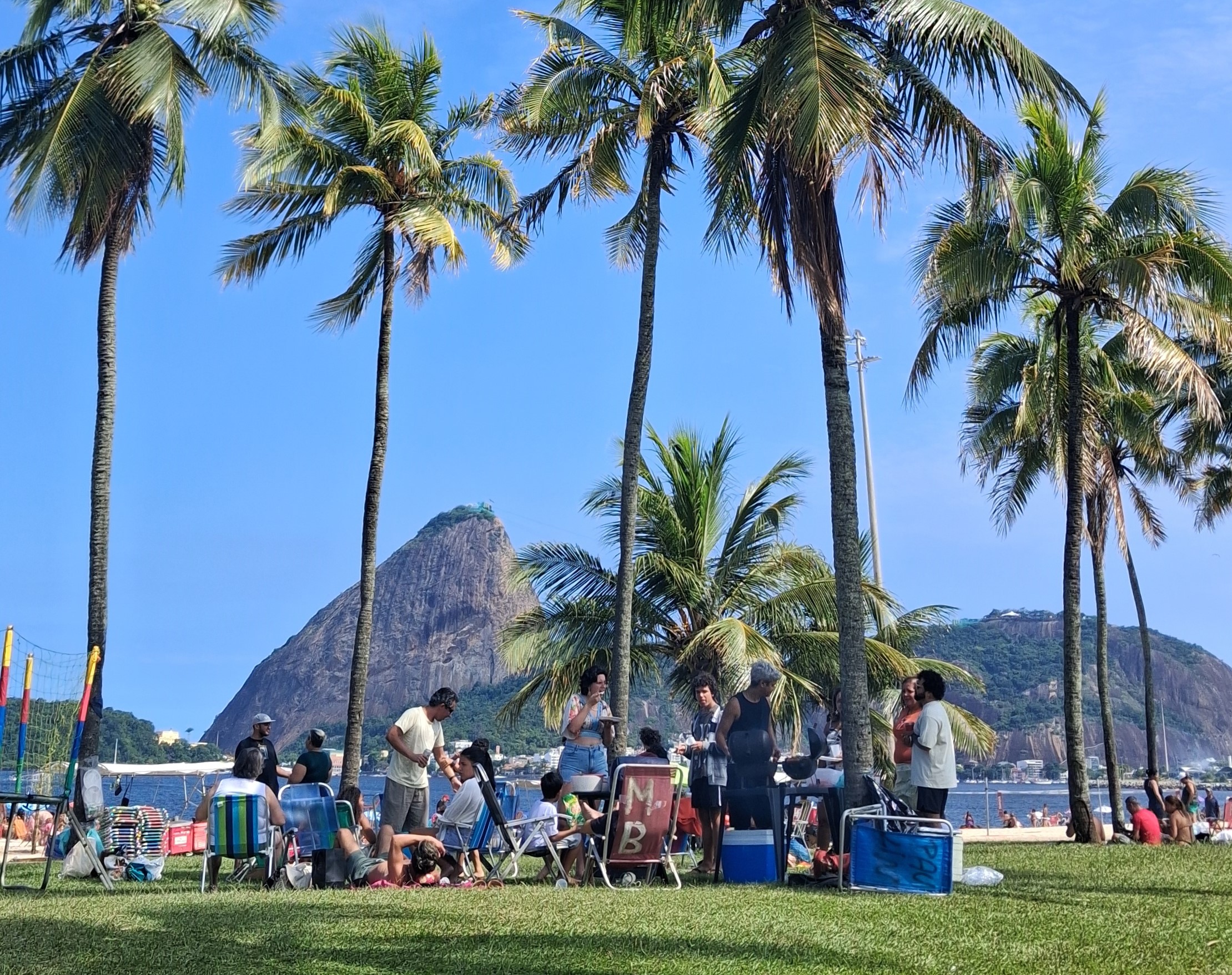
However, even though there are robbery and scams in tourist areas of cities like Rio, the parts of Brazil that appear in most crime statistics are not the same places where tourists spend their time.
You’ll usually feel safer in small towns, but apart from that, Brazilian cities can also be extremely diverse internally. In cities like Rio de Janeiro or São Paulo, safety conditions can vary greatly from one neighborhood to another. This is why doing some research before visiting a destination in Brazil is so helpful.
Safety Advice for Tourists
So you’ve decided to come? Have fun! Check out the precautions you should you adopt to have a smooth experience.
Common Scams: Be cautious of overly friendly strangers offering unsolicited help, like giving free tours. Always verify services and prices in advance, and check the price stated in card machines before making a payment (especially when buying from beach and street vendors in Rio de Janeiro). And remember what your mum probably told you: never accept drinks from strangers.
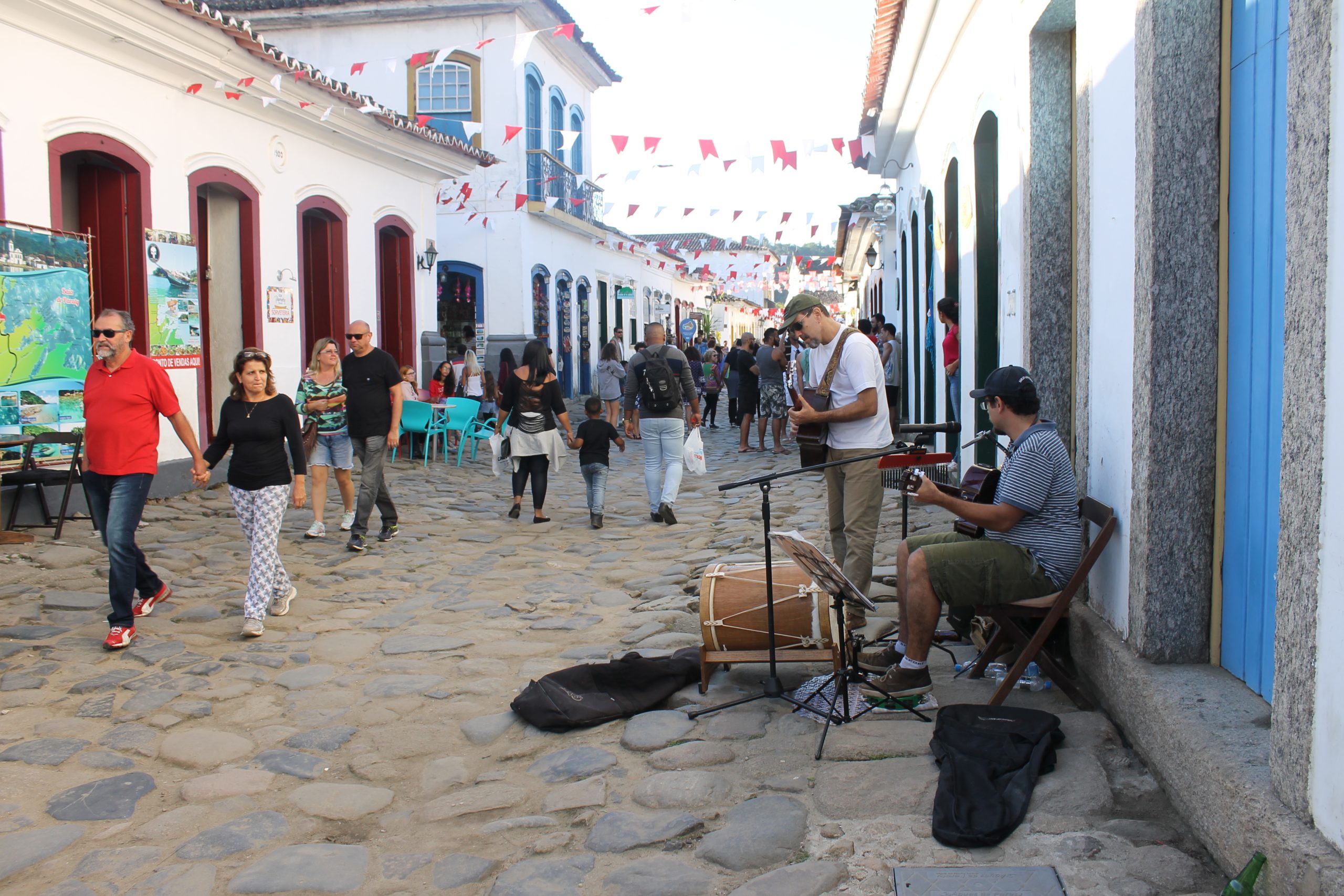
Go Beyond Big Cities: I know you’re probably going to visit Rio and other famous cities which are amazing indeed, but if you have the time, go beyond that. There are many towns, from the coast to the countryside, with rich culture, astounding landscapes and extra welcoming people. On top of all that, urban violence is much lower in many of those places.
Crowded Places: In busy areas, such as markets or public transportation, keep your belongings secure. Don’t keep valuables in your pockets or in a tote bag, or anything that could make pickpocketing easy. I recommend using a fanny pack or crossbody bag whenever possible. If you’re wearing a backpack, put it in front of your body when entering a crowded place. Use a money belt for big events like Carnival or street parties.
Keep reading: Brazilian Carnival: A Local’s Guide for Visitors
Phone Awareness: Phone snatching can happen in busy areas and has been particularly common in recent years in São Paulo’s city center. Avoid walking while staring at your phone, especially near streets where motorcycles pass. If you need to check directions, step inside a shop or stand close to a wall.
Plan Your Routes: Some neighborhoods in larger cities can be unsafe, especially after dark. Research your destination and ask locals or your accommodation staff for advice on where to avoid.
Prefer Busy Streets: If a street looks empty or poorly lit, it’s usually better to choose a busier route. Areas with shops open and people walking around tend to be safer. In big Brazilian cities, locals often choose to take an Uber even for short distances at night instead of walking through unfamiliar streets.
Personal Belongings: Leave your passport, a back card and extra cash in a secure place, like your hotel’s safe. Scan your documents, save them on the cloud and have them available on your phone to show authorities if needed. If you’re sitting in an outdoor restaurant or bar, avoid leaving your phone over the table or hanging your purse over the back of your chair which faces the street.
Don’t Wear Flashy Accessories: Flashy items like expensive watches and gold jewelry can make you a target, especially in Rio de Janeiro. In some areas of the city, like the beach boardwalks, it’s not uncommon for guys to come running and tear necklaces of women’s necks.
Take Reputable Transportation: Use licensed taxis or ride-hailing apps like Uber. When using public transportation, be alert. Metro systems tend to be safer than buses, but they’re only available in a few major cities like São Paulo, Rio de Janeiro and Brasília. Avoid having your phone in your hand next to an open window, because in some cities it’s possible that someone will come from outside and quickly snatch it.
Try to Blend In: Observing Brazilians can teach you a lot. We tend to dress modestly and stay aware of our surroundings. Loud voices in foreign languages or vibrant outfits can make you stand out as a tourist. Try to avoid unnecessary attention.
Follow Local Behavior: A simple rule many Brazilians follow is: if locals aren’t doing something, there’s probably a reason. If you notice people around you putting their phones away or avoiding certain streets at night, it’s wise to follow their lead.
Stay Alert: Thieves often observe their targets first. If you look like you’re aware of your surroundings, they’re less likely to approach you.
Go Out With Others at Night: If you’re going out at night, especially in nightlife areas, it’s usually safer and more fun to go with a group rather than alone.
Drink Responsibly: It’s tempting to enjoy the amazing Brazilian nightlife, and you definitely should, but don’t get so drunk or high that you lose awareness. Besides that, don’t leave your drink unattended and then drink it, and don’t accept drinks you didn’t see poured. That’s how some foreigners often get in bad situations, like being drugged and robbed, especially in places like Lapa neighborhood in Rio. Also, be alert to “date drug” scams.
Beach Safety: If you’re going to the beach, bring only what you need. Avoid leaving phones, wallets, or cameras unattended while swimming. What locals usually do is ask for other beachgoers to keep an eye on their stuff (and leave it right next to them). To be even safer, you can leave your valuables in your accommodation or bring a waterproof bag to get into the water with your things.

If You’re Driving in a City: If you’re using GPS navigation, make sure the suggested route does not take you into a favela (slum) or other dangerous areas. Always approach your car with your keys in your hand so you can get in quickly, and keep doors locked and windows closed especially when stopping at traffic lights. Beware that drink-driving is a serious offence in Brazil, with zero tolerance, and checkpoints are often set up. And always drive with caution, especially in big cities, where traffic can be quite chaotic and motorbikes weave throughout the traffic like crazy.
Choose Accommodation Wisely: When looking for a place to stay, pay special attention to the location, and look for comments regarding safety among the reviews. I have a bunch of articles here on the blog with recommendations on the best areas to stay in several Brazilian cities like Rio de Janeiro, São Paulo, Salvador, Brasília, Porto Seguro, Manaus, Florianópolis and much more (you can type the name of the destination you’re looking for in the search feature on the top menu).
Be Prepared When Arriving Home: If you return to your accommodation late at night and need keys to get in from the street, have them ready before you reach the entrance, so you don’t need to stand outside looking for them.
For Digital Nomads: While it’s not advisable to carry around expensive equipment, if you’re a digital nomad, photographer or influencer this might be essential, so just be extra cautious. If you’re recording videos on your phone or camera on the streets, be aware of thieves on bikes who could fly by and snatch the equipment from your hand. If you want to work from a café or restaurant, there are plenty of good spots, but prefer to sit indoors.
If You Are Robbed: If it does happen, remember that nothing is more important than your safety. Stay calm, don’t resist, and hand over your belongings. If your phone or wallet is stolen, lock your cards immediately and use tracking tools like Find My iPhone or Find My Device to secure your data. If something is stolen, you can file a police report (boletim de ocorrência, known as BO) online. This is often required for travel insurance claims and document replacement.
Important Emergency Numbers in Brazil: If you ever find yourself in an emergency while in Brazil, these are the numbers you can call: Dial 190 for general assistance or to report a crime to the police; In case of fires or rescue situations, call 193; For urgent medical assistance, dial 192. Make sure your phone can make local calls and ask a local for help to describe the situation in Portuguese.
You might also like these articles:
The best coworking spaces in Rio de Janeiro
Rio de Janeiro for Digital Nomads: firsthand experience

Why speaking Portuguese makes traveling in Brazil safer
One of the most underrated safety tips for traveling in Brazil is quite simple: learn a little Portuguese before you come.
Unlike in many European destinations, English is not widely spoken in Brazil, even in major cities. While people working in hotels, hostels, and some tourist attractions may speak some English, everyday interactions with taxi drivers, shopkeepers, bus drivers, or people on the street usually happen in Portuguese.
Because of this, knowing even basic Portuguese can make a big difference in how confidently and safely you move around the country.
Simple language skills can help you handle everyday situations such as asking for directions, ordering food, or understanding transportation instructions. But beyond convenience, Portuguese can also help you understand what’s happening around you. You might catch a warning from a local, understand when someone tells you a certain street isn’t safe at night, or follow advice about which routes to take.
Speaking a bit of Portuguese also makes it much easier to connect with locals, and Brazilians are often incredibly helpful when they see a visitor making an effort with the language. They can give you valuable tips about where to go, which neighborhoods to explore, and which areas are better avoided — insights you won’t always find in travel guides.
As a Brazilian and a Portuguese teacher who works with foreigners, I see this transformation all the time. Students who learn just a few key phrases become more independent and confident. You don’t need to be fluent to benefit from this. Even a small vocabulary like greetings, numbers, directions, and basic questions can make your experience in Brazil smoother, richer, and safer.
If you’re looking for a teacher, fill out this form and I’ll be happy to send you all the information about my classes.
You might also like to read:
How to learn Brazilian Portuguese: a complete guide
Learn Portuguese in Brazil: Immersion, Classes, and Practical Tips
A safer way to travel to Brazil: volunteering with Worldpackers
If you’re looking for a way to explore Brazil with a bit more structure and local support, volunteering can be a great option. One platform that many travelers use for this is Worldpackers, which connects travelers with hosts who offer accommodation in exchange for a few hours of help per day.
For first-time visitors to Brazil, this type of experience can feel safer and more comfortable than arriving in a completely unfamiliar place without local connections.
When you volunteer through Worldpackers, you stay with verified hosts, which may include hostels, eco-lodges, farms, community projects, NGOs etc. Accommodation is arranged in advance, and hosts usually provide guidance about the local area.
Another advantage is the sense of community. Many volunteer experiences involve teams of travelers from around the world, so you’re often exploring new places with others rather than alone. For many people, this creates a supportive environment that makes traveling feel both safer and more social.
Volunteering also encourages a slower, more immersive style of travel. Staying longer in one place allows you to get familiar with the neighborhood, build relationships with locals, and experience Brazilian culture beyond the typical tourist circuit.
It’s also a fantastic opportunity to practice Portuguese. Since most Brazilians don’t speak English fluently, as I mentioned, volunteering can naturally expose you to the language in everyday situations, from chatting with coworkers to interacting with guests or neighbors.
For travelers who want to experience Brazil more deeply while having some local guidance along the way, volunteering through platforms like Worldpackers can be one of the most rewarding and reassuring choices. And since the platform was created by two Brazilian travelers, there are thousands of opportunities available all around the country.
You can create a profile and look for vacancies for free, but there’s a small fee for those who want to apply for a volunteering position. If you’re considering signing up, click here or use the promocode JANELASABERTAS to get 10 USD off any yearly plan.
Keep reading:
Volunteer in Brazil: A Complete Guide to Opportunities, Destinations, and Tips
How to Volunteer in Rio de Janeiro and Live Like a Local
Final thoughts: should you travel to Brazil?
So, is it safe to travel to Brazil? The most honest answer is that Brazil is a destination that rewards awareness, not fear. Like other unequal countries, it comes with challenges, but they shouldn’t overshadow the extraordinary experiences waiting for travelers who approach the country with curiosity, respect, and common sense.
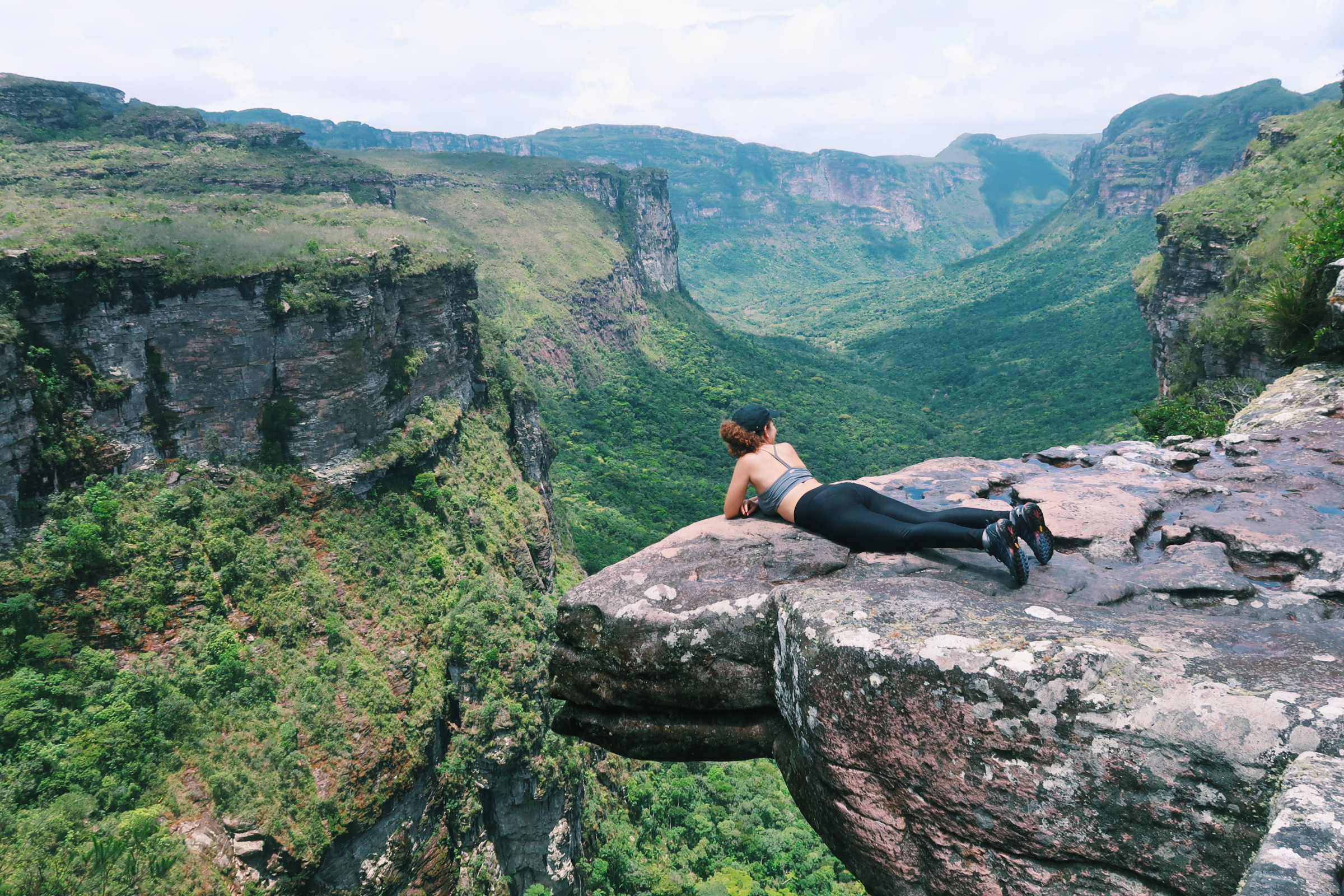
I know I’m biased because I’m madly in love with my home country, but I think it’s a fact that Brazil is a place of immense cultural richness and natural beauty. From samba and dozens of other local rhythms to the biodiversity of the Amazon and the beautiful coastline of the Atlantic, the country offers a kind of diversity that few destinations can match.
But what many visitors remember most is something less tangible: the warmth of the people. Brazilians are famously welcoming, and meaningful interactions with locals often become the highlight of a trip.
Traveling here may require more awareness than in some destinations, but that awareness is also part of learning how to move through a different culture. Paying attention to your surroundings, listening to local advice, and making an effort to understand the language and customs can transform the experience from intimidating to rewarding.
In summary, Brazil is not a country to travel blindly but it’s also far from a place to avoid. And it’s likely a place that will leave you in awe.

Frequently Asked Questions About Safety in Brazil
Is Rio de Janeiro safe for tourists?
Rio de Janeiro is one of the most visited cities in the Southern Hemisphere, receiving millions of international travelers every year. I’ve been living here for over 3 years and would say that like any large city, safety can vary greatly depending on the neighborhood and time of day.
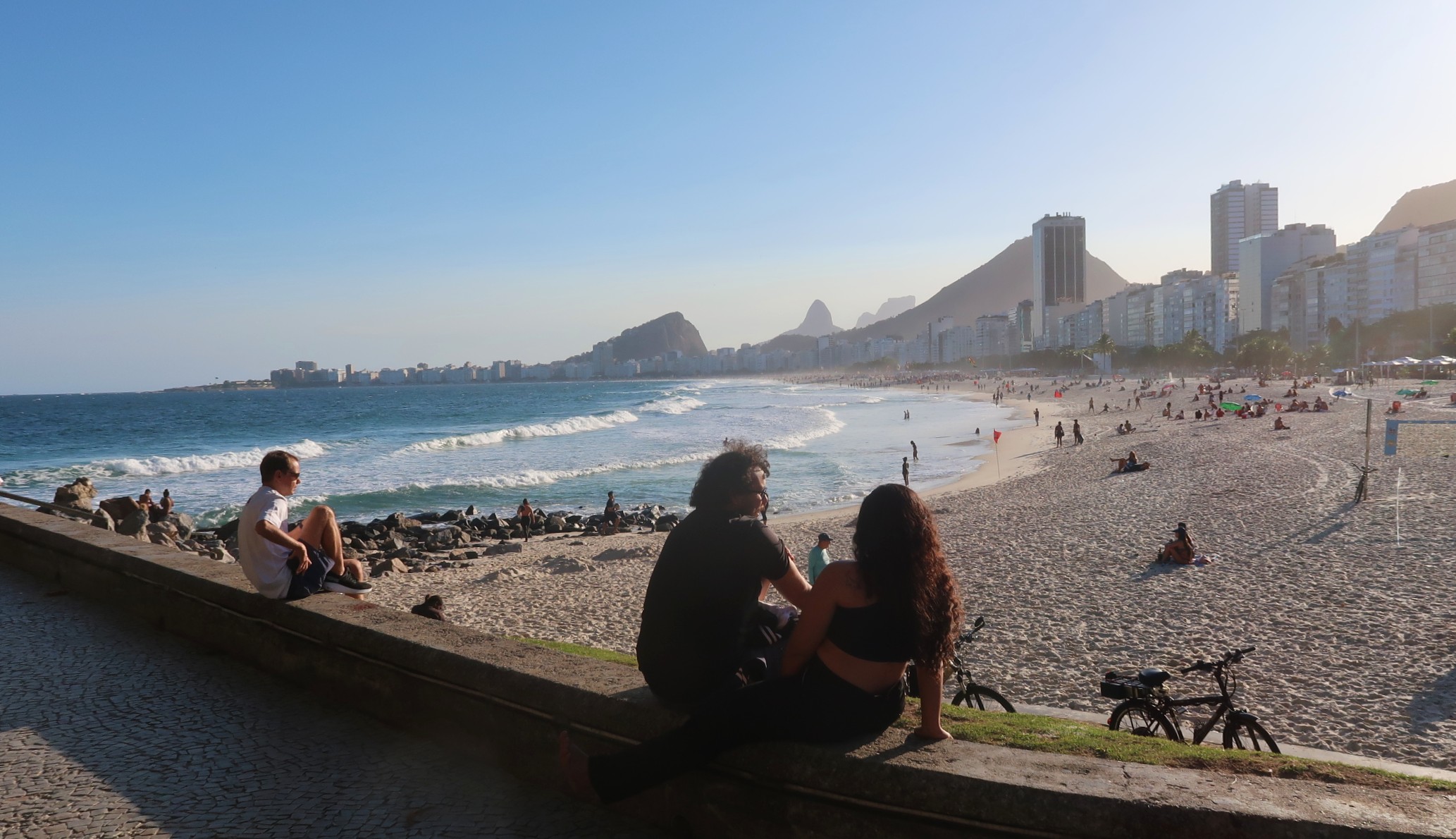
Popular tourist areas such as Copacabana, Ipanema, Leblon, and Santa Teresa are used to receiving visitors and generally have good tourism infrastructure. Other less famous neighborhoods like Botafogo, Flamengo and Laranjeiras are also generally safe.
That said, it’s important to stay aware of your surroundings, avoid displaying valuables on the street, and use ride-hailing apps like Uber at night instead of walking through unfamiliar areas. Travelers who follow these basic precautions and the other advice I listed above usually have a smooth and enjoyable experience in the city.
Is Brazil safe for solo travelers?
Yes, Brazil can be a great destination for solo travelers, including solo female travelers, as long as basic precautions are taken. I’m a woman and have traveled solo around all regions of the country and haven’t had problems except for one or two nosy questions.
Many cities have lively hostel scenes, organized tours, and social activities that make it easy to meet other travelers. Platforms like Worldpackers can also help solo travelers connect with local hosts and communities, making the experience feel more structured and supportive.
As with any solo travel destination, it’s wise to research neighborhoods before booking accommodation, stay aware of your surroundings, keep friends or family informed about your whereabouts and avoid isolated areas at night.
Is Brazil safe at night?
Safety at night in Brazil depends a lot on where you are and how you move around the city.
In nightlife districts with restaurants, bars, and plenty of people on the streets, going out at night is generally fine. However, walking alone through quiet or poorly lit streets is not recommended.
Many Brazilians choose to take an Uber or taxi even for relatively short distances at night, and visitors may find it helpful to adopt the same habit.
Is it safe to use Uber in Brazil?
I have heard of a few issues in the past, but ride-hailing apps like Uber and 99 Pop are widely used in Brazil and are generally considered a safe and convenient way to get around, especially in major cities. Many locals prefer using Uber over traditional taxis because fares are shown in advance, rides are tracked through the app, and driver information is available before pickup. For travelers, it’s often one of the easiest and safest ways to move between neighborhoods. If you’re a woman and are catching a ride alone, I recommend sharing the ride information with someone you trust and, if possible, make the driver think that there’s someone waiting for you at your destination.
Do I need to speak Portuguese to travel safely in Brazil?
You can travel in Brazil without speaking Portuguese, but knowing a few basic phrases can make your trip significantly easier and safer.
English is not widely spoken outside of tourist-oriented businesses, so understanding simple expressions can help you ask for directions, understand warnings, and communicate with locals if you need help.
Even learning greetings, numbers, and basic questions can go a long way in helping you navigate everyday situations and connect with the people around you.
What are the emergency numbers in Brazil?
If you ever need emergency assistance while traveling in Brazil, these are the main numbers to know:
- 190 – Police
- 193 – Fire department
- 192 – Ambulance and medical emergencies
Do you have any other questions about traveling to Brazil? Check out the other articles about my beloved home country here on this blog or message me at @portugues.luisa on Instagram.















0 Comentários