
Learn Portuguese in Brazil: Immersion, Classes, and Practical Tips
Learning Portuguese in Brazil is one of the most effective and rewarding ways to truly connect with the language. I say this not only as a Brazilian, but also as a traveler and polyglot, and as a Portuguese teacher who works daily with foreigners learning the language.
Being in Brazil means hearing Portuguese everywhere, in everyday conversations that textbooks rarely capture. Learning the language in context allows you to understand not only what people say, but how and why they communicate the way they do in real life. While Portuguese is spoken in several countries, Brazil combines a number of factors that tend to accelerate language learning.
In this article, I’ll talk about why I think Brazil is one of the best places to learn Portuguese, how volunteering can accelerate your learning through full immersion, which cities offer the best environment for language learners, how combining real-life experiences with Portuguese classes can help you communicate with confidence, and practical tips to make the most of the experience.
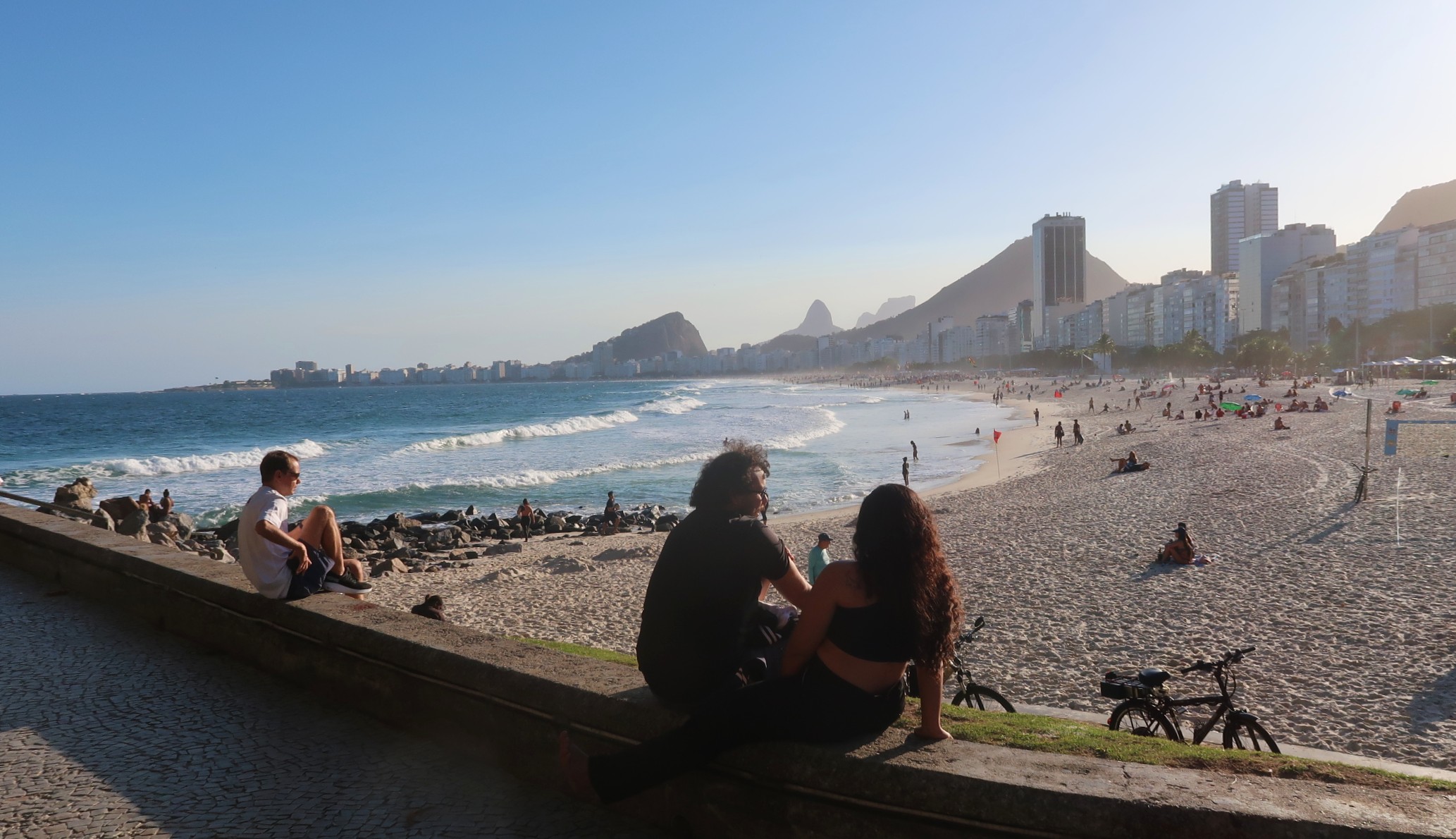
Why learn Portuguese in Brazil
I would say that the first reason to learn Portuguese in Brazil is the language itself. Due to the size and cultural expression of the country, Brazilian Portuguese is commonly heard in lots of music, films, TV shows, and online content, giving learners easy access to plenty of authentic material according to their personal interests.
It’s important to know that there are differences between Brazilian and European Portuguese in terms of pronunciation, vocabulary, and everyday usage. The Brazilian variety is known for its open vowels, musical rhythm, and expressive intonation, which for many people makes it easier to understand.
Besides that, spoken Brazilian Portuguese tends to be more relaxed and informal, with contractions, reductions, and expressions that don’t always appear in textbooks. So, if you’re interested in this variety, learning the language here allows you to become familiar with how people actually speak, rather than what grammar books say.
Another key factor is the social environment. Brazilians are generally open, patient, and encouraging with foreigners who are learning Portuguese. Making mistakes is usually met with curiosity, humor, and support rather than correction or judgment. This creates a low-pressure environment where learners feel more comfortable speaking, experimenting with the language, and improving through real interaction.
And I assure you it won’t be hard to find people to speak with. Our everyday life often involves conversation, whether chatting with neighbors, coworkers, volunteers, new friends or even random people on the streets. If you’re an extrovert, you’ll find yourself in paradise. If you’re not, you’ll have many opportunities to slowly get out of your comfort zone and practice the language in a welcoming environment.
Especially if you stay away from the most touristy areas, such as the neighborhood of Ipanema in Rio de Janeiro or high-end districts in São Paulo, you will notice another factor that facilitates learning: relatively few people in Brazil speak English. This means you will likely need to rely on Portuguese to get by, which is excellent for language development.
From a practical perspective, Brazil is also an accessible destination for language immersion. Compared to many countries in Europe or the United States, the cost of living here is lower, making it a great option for travelers and digital nomads.
You might also like to read:
How to learn Brazilian Portuguese: a complete guide
Brazil travel tips: advice from a local nomad
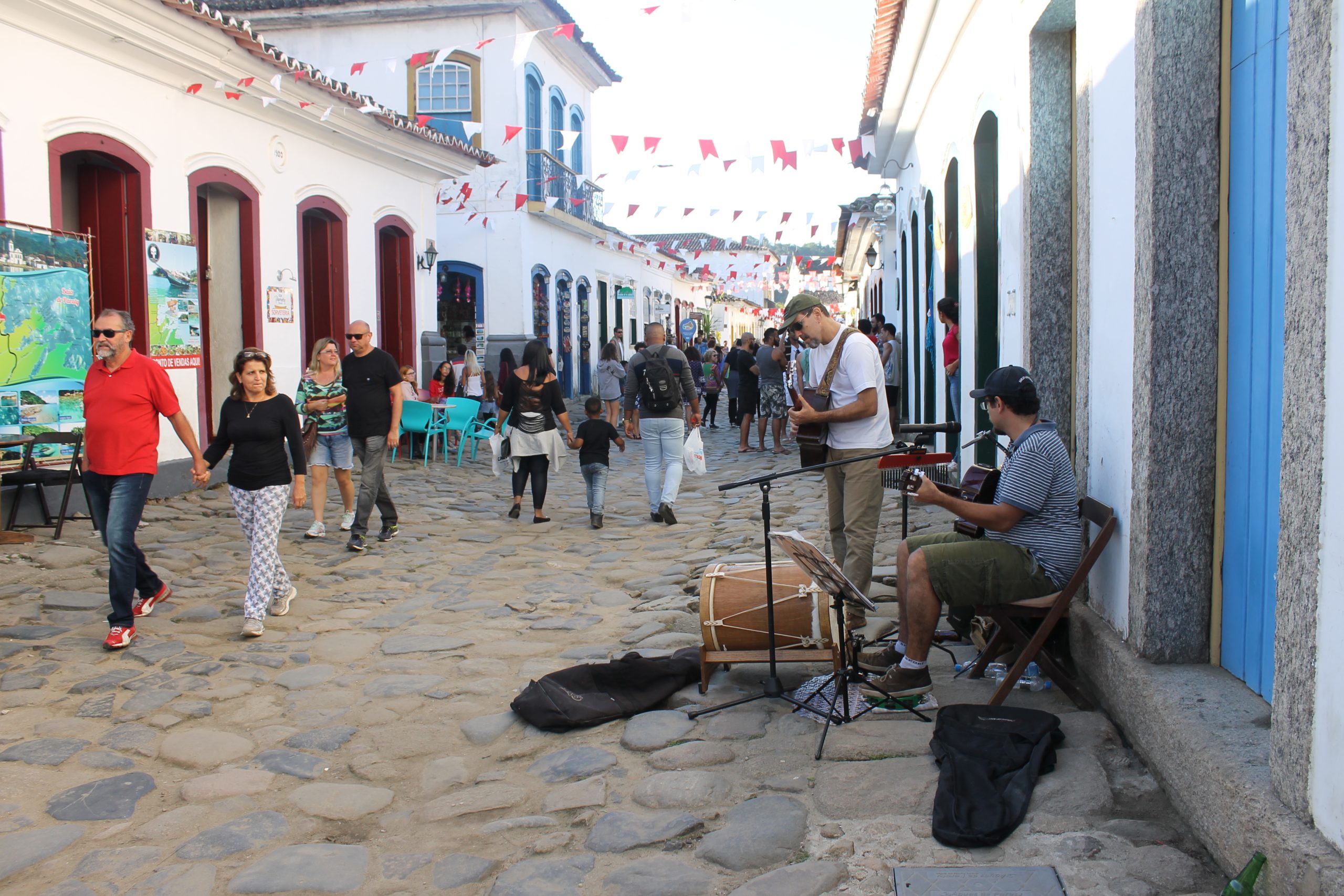
Learn Portuguese through immersion: volunteering in Brazil
Immersion is one of the most effective ways to learn any language, and one of my favorite ways to do so is combining formal studies with a work exchange – a type of volunteer abroad program where you exchange skills and time for accommodation and other perks like meals, classes and tours.
These experiences can give you many opportunities to use the language naturally to communicate with hosts, coworkers, guests, neighbors, and local communities. From understanding instructions and solving daily problems to sharing meals and building relationships, Portuguese becomes part of your routine.
Depending on the type of position you choose, it can also remove one of the biggest barriers language learners face: staying inside an English-speaking bubble. In most cases you’ll get to live and work with Brazilians, which forces meaningful interaction.
Another advantage of volunteering is diversity. Brazil is a continental-sized country, and you’ll find opportunities in very different contexts, like hostels, social projects, eco-villages, farms, and NGOs. Each environment exposes learners to different accents, expressions, and cultural references, enriching both linguistic and cultural understanding.
Platforms like Worldpackers make this kind of immersion very accessible. Created in Brazil, the platform offers a wide range of opportunities across all regions of the country, making it possible to choose experiences that align with your interests at a much lower cost than traditional exchange programs.
Volunteering also makes longer stays in Brazil a lot cheaper, allowing you to save money on accommodation and sometimes meals, which can be provided by the host or made in shared kitchen facilities. That makes it easier to spend more time in the country, which is very helpful for language acquisition.
From my experience as a Portuguese teacher, students who combine an immersive experience with structured language support tend to progress faster and feel more confident. Volunteering creates opportunities for real-life practice; guidance and classes help organize what you absorb, clarify patterns, and turn daily exposure into effective learning.
I have had this experience as a language learner myself, while volunteering in France. In exchange for a private room and all meals, I did simple gardening work for a super nice couple who helped me practice French. We had long conversations at every meal, and I left there feeling much more confident than before – without spending one single euro.
If you’re considering trying it out, check out my guide on work exchange programs. And if you click here or use my promo code JANELASABERTAS you’ll get 10 USD off their sign-up fee, which allows you to volunteer anywhere around the world for a whole year.
You might also like to read:
Volunteer in Brazil: a practical guide
How to volunteer in Rio de Janeiro and live like a local
Best cities in Brazil to learn Portuguese
Choosing the right city can shape your experience learning Portuguese in Brazil. Each part of Brazil has its own accent, rhythm, cultural references, and social dynamics, and you could easily spend a lifetime traveling around the country and discovering new things.
There is no single best city to learn Portuguese in Brazil. The ideal choice depends on your goals, learning style, and the type of experience you’re seeking. Whether you prefer a vibrant social scene, professional networks, or a slower pace of life, there are plenty of options to choose from.
I have listed here a few destinations that foreigners tend to like, but I would advise you to do some more research (here on the blog and beyond) about other places. After all, there’s a lot to discover beyond the trendiest spots. In case you need personalized guidance, feel free to reach out at luisa @ janelasabertas . com for my travel consultancy services.
Rio de Janeiro
Rio is one of the most popular cities for foreigners learning Portuguese — and for good reason. The city is beautiful, extremely interesting, and offers plenty of opportunities for socializing with locals and other foreigners. I chose to make it my home base and haven’t regretted it one single day.
Rio’s lifestyle naturally encourages interaction: there are many nice beaches, cafés, coworking spaces, group activities, and parties, which makes it easy to meet people and use Portuguese daily. It also has a strong digital nomad ecosystem, so you can easily find support and advice from other travelers and expats.
Keep reading: Rio de Janeiro for digital nomads: Insider tips

São Paulo
São Paulo is Brazil’s largest and most diverse city, making it ideal for learners interested in professional, academic, or urban contexts. The Portuguese spoken in São Paulo is more similar to that of mainstream media (although that has been changing, with a growing diversity in media), so some people find it easier to understand. The city’s multicultural environment also offers exposure to many different accents and social groups.
São Paulo is a good choice for learners who plan to work remotely, network professionally, or combine Portuguese learning with career-oriented experiences. It’s also good for those who like big cities with a great cultural offer, restaurants from different cuisines and many expats.
If you’re interested in Brazilian Portuguese and the culture behind it, I also write a newsletter called Learning Portuguese, Living Brazil, where I explore language through real-life context, culture, and everyday use. You can subscribe for free here.
Salvador
Salvador, the capital of Bahia, is the heart of Afro-Brazilian culture. It provides immersion not only in the language, but also in music, religion, cuisine, and traditions that strongly influence Brazilian identity. The city is an excellent choice for learners who value cultural depth. It also has nice urban beaches and amazing food. Before and after your stay, I highly recommend traveling around the state.
Florianópolis
Florianópolis, the capital of Santa Catarina, combines a slower pace of life with a growing international and digital nomad community. This balance can work well for learners who want immersion without the intensity of larger cities. It’s also great for those who love outdoor activities, since there are many hikes and beautiful beaches to enjoy. I don’t find the food or cultural scene there particularly appealing in comparison to other Brazilian cities, but that’s my personal opinion.
Smaller cities
Beyond major cities, smaller towns, beachside villages, and rural areas can offer some of the most intense language immersion experiences. With fewer English speakers and tighter-knit communities, learners are often required to use Portuguese in all aspects of daily life.
These environments are especially effective for volunteers and slow travelers who want deep cultural exchange and rapid improvement in comprehension and speaking skills.
Among the hundreds of possibilities, consider destinations such as:
- Paraty, a charming colonial town in the state of Rio de Janeiro
- Recife, the capital of the culturally rich state of Pernambuco
- Belém or Manaus, in northern Brazil, ideal for those curious about the Amazon region
- Chapada dos Veadeiros, a stunning national park near the capital Brasília
- Chapada Diamantina, another amazing national park in Bahia
- Itacaré, a beautiful coastal town in Bahia known for its relaxed atmosphere
- Small towns in states like Minas Gerais, where daily life moves more slowly and meaningful interaction with locals becomes part of your routine

You might also like this article: The best cities for digital nomads in Brazil
Portuguese classes online or in-person
Taking Portuguese classes while learning the language in Brazil can make a big difference in how fast and confidently you progress. While immersion provides constant exposure, classes can clear doubts and turn everyday experiences into structured learning.
Students can bring real situations from their routine into the lesson, ask questions about expressions they hear, and practice communication that reflects their actual needs.
Many of my students choose to start learning Portuguese online before arriving in Brazil, which helps them build basic vocabulary, understand pronunciation, and feel more confident from day one. Online classes are also useful for travelers who move frequently, volunteers living in remote areas, or learners who want continuity while changing cities, or after going back home.
If you come to Rio de Janeiro, I also offer in-person classes for those who prefer learning face-to-face. In any case, lessons can be adapted to your schedule, learning pace, and specific goals, whether that means focusing on survival Portuguese, improving listening skills, or preparing for a work or academic opportunity.
Do you want to know more about my Portuguese classes? Fill out this quick form telling me about your needs and I’ll get back shortly with all the information.
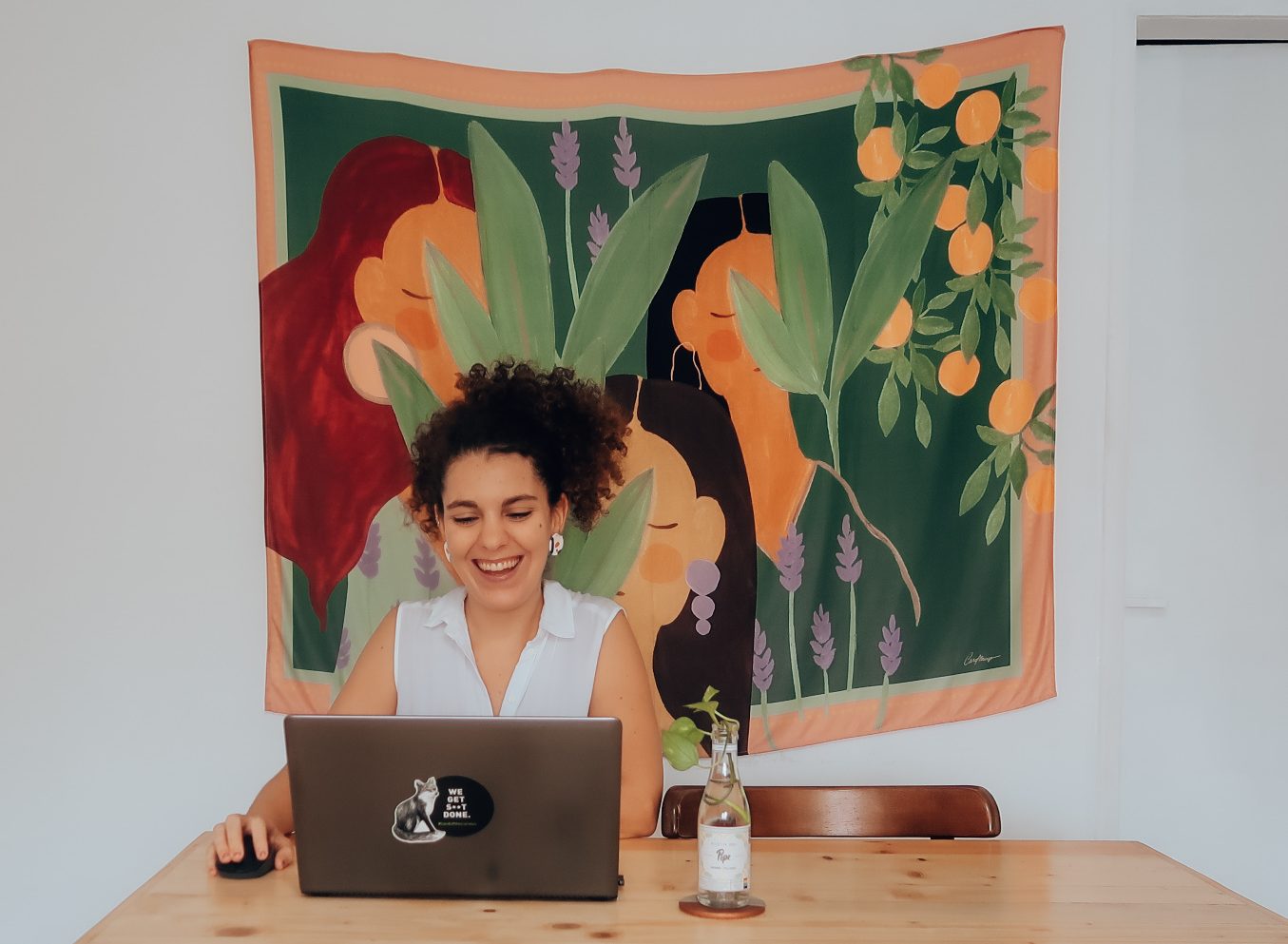
Practical tips before learning Portuguese in Brazil
Preparing yourself before starting your Portuguese learning journey in Brazil can make the experience smoother and more rewarding. A few simple strategies and realistic expectations help you take full advantage of immersion.
Learn a little before you arrive
Learning some basic Portuguese before coming to Brazil is highly recommended. Even a small foundation helps you recognize common sounds, understand basic structures, and feel less overwhelmed in the first days. Knowing how to greet people, order food, ask for help, and introduce yourself creates early opportunities for interaction and reduces stress in cities where few people speak English.
Set realistic expectations
Portuguese in Brazil is fast, informal, and full of regional variation. You won’t understand everything at first, and that is a natural part of the process. Progress usually happens gradually, and accepting this rhythm helps reduce frustration and maintain motivation over time.
Use Portuguese from day one
Many learners wait until they feel ready to speak, but confidence grows through use, not preparation alone. Speaking imperfectly is far more effective than staying silent. Brazilians are generally supportive and patient, as I mentioned before, and most interactions become productive learning moments.
Pay attention to context and culture
Communication goes beyond words. Tone of voice, facial expressions, gestures, and cultural cues all shape meaning. Observing how people interact helps you understand Portuguese more naturally and improves your ability to respond appropriately in real situations.
Connect learning to real life
Whether you are volunteering, traveling, or living in Brazil, bring your daily experiences into your learning process. Notice expressions you hear often, questions you struggle to answer, or situations that feel challenging. When real moments guide your study, Portuguese becomes a practical tool for everyday life rather than an abstract subject.
Keep reading: How to learn Brazilian Portuguese
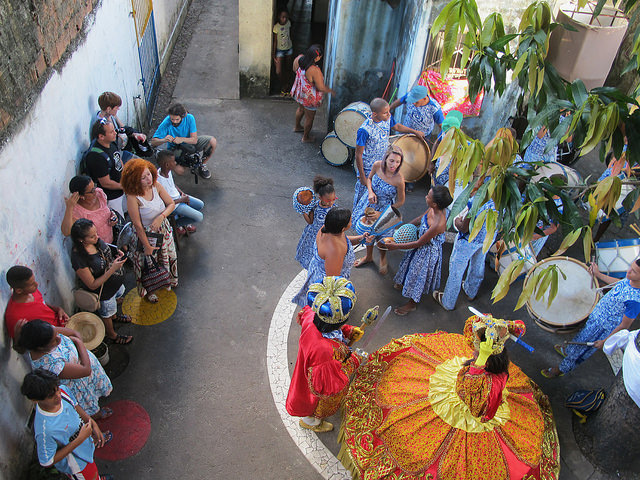
Frequently Asked Questions about learning Portuguese in Brazil
Is Brazil the best place to learn Portuguese?
Brazil is one of the best places to learn Portuguese because of the level of immersion it offers. English is not spoken outside specific contexts, and most people are very sociable and talkative. This constant exposure helps learners develop listening skills, confidence, and real communicative ability faster than studying the language from abroad, or in countries with more English speakers and a less extroverted culture like Portugal.
Should I learn Brazilian Portuguese or European Portuguese?
If you plan to travel, volunteer, or live in Brazil, learning Brazilian Portuguese is the most practical choice. Brazilian Portuguese differs from European Portuguese in pronunciation, vocabulary, and everyday usage. It’s also the variety most commonly heard in music, media, and online content, making it easier to continue learning after your time in the country. If you don’t have a practical use for the language, I suggest you listen to both varieties and choose the one you like the most. Since we use more open vowels in Brazil, many people find this variety easier to learn.
Can I learn Portuguese in Brazil without attending a language school?
Yes. Many learners improve their Portuguese through immersion, daily interaction, and experiences like volunteering. However, combining immersion with structured classes often leads to faster and more consistent progress, especially when lessons focus on real-life communication and situations you encounter in Brazil. If you don’t want to attend a regular language school, you can take private lessons with me (click here for more information).
Is volunteering a good way to learn Portuguese in Brazil?
Volunteering is one of the most effective ways to learn Portuguese in Brazil because it can place you in direct contact with locals and everyday situations where the language is naturally used. Living and working with Brazilians encourages constant practice and helps learners move beyond tourist-level communication. I recommend looking for opportunities through Worldpackers, which I’ve used in Brazil and abroad.
Do I need to speak Portuguese before coming to Brazil?
You certainly don’t need to be fluent before arriving, but learning some basics in advance is highly recommended. Even a small foundation helps you navigate daily situations more easily and allows you to take better advantage of immersion from the start.
Is it expensive to learn Portuguese in Brazil?
Compared to many European countries and the United States, learning Portuguese in Brazil can be much more affordable. The cost of living is generally lower, and options like volunteering can help further reduce your expenses, making longer stays and deeper immersion more accessible.
Where is the best city to learn Portuguese in Brazil?
There is no single best city. The ideal place depends on your goals, lifestyle, and learning preferences. Large cities offer more social interaction and diversity, while smaller towns often provide deeper immersion and a smaller chance of staying inside a “foreigners bubble”. What matters most is consistent exposure and willingness to use Portuguese daily.
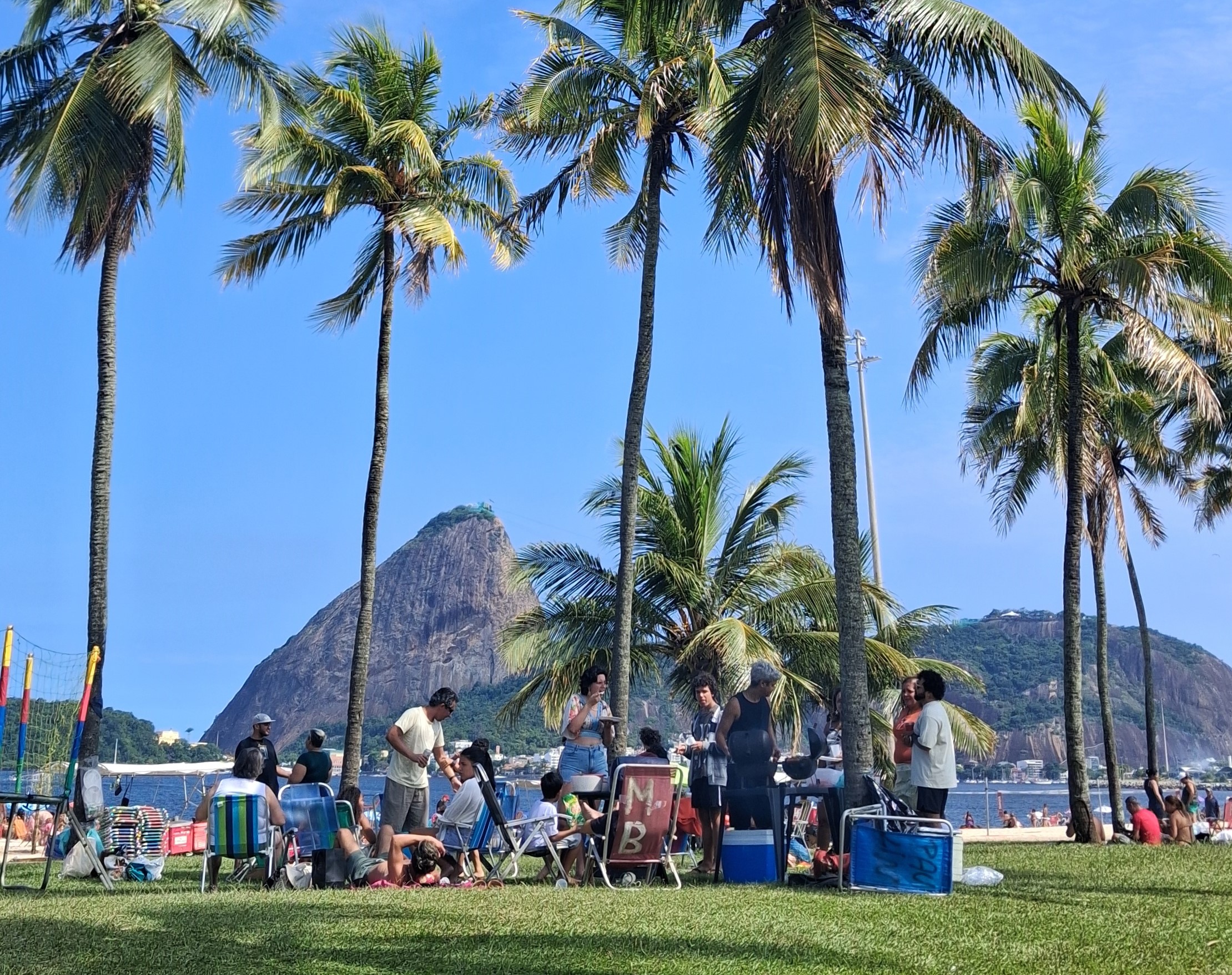
I believe that learning Portuguese in Brazil is not just about reaching a certain language level. It is about building confidence, independence, and meaningful relationships in a country where communication and social connections are an essential part of our culture. With curiosity, consistency, and the right environment, the language gradually stops being a barrier and becomes a bridge to understanding Brazil more fully.
Do you still have questions about learning Portuguese in Brazil? Ask me on Instagram! You’ll find me at @portugues.luisa











0 Comentários