
Pati Valley Trek: Everything You Need to Know Before You Go
No photo or article can really capture what it’s like to do the Pati Valley trek in Chapada Diamantina, in the Brazilian state of Bahia, but I’ll try. These are intense days, shaped by a simple yet abundant routine: a kind of moving meditation, pushing past your own limits, being surrounded by stunning landscapes and enjoying the freedom of simply going wherever your own legs can take you.
The mountains, the different rock formations, the green plains stretching to the horizon, the rivers and the waterfalls are breathtaking. But the Pati Valley trek is much more than a series of pretty views.
Leaving the valley was hard, and not only because of the physical effort. It was mostly because of how much I missed it and still do. I hope the Pati never leaves me. And I hope you get to go too, with an open heart, ready to discover the valley and the people who live there, and to take a journey inward as well.
![Hiker on the Pati Valley trek in Chapada Diamantina, Brazil]](https://janelasabertas.com/wp-content/uploads/2026/11/vale-do-pati.jpg)
Pati Valley trek: everything you need to know
Now let’s get to the practical stuff. I did the Pati Valley trek in partnership with the excellent local agency Chapada Adventure Daniel. Based on this experience, I wrote this guide packed with information to help anyone planning this unforgettable trip.
Read also:
What is the Pati Valley?
The Pati Valley (Vale do Pati in Portuguese) is, of course, a valley, and a fairly hard-to-reach one. It sits inside Chapada Diamantina National Park, a protected area in the interior of Bahia managed by ICMBio, the Brazilian federal agency in charge of national parks. For a long time, the region was used for diamond mining (that’s where the name Chapada Diamantina comes from), and later for growing coffee.
At the height of that economic boom, around 3,000 people lived in the valley, which even had a school, a church and a small town hall. Today it is home to just over 10 families, and almost all of them make a living from tourism. The trails once used to carry coffee out of the valley are now walked every day by visitors like me and you.
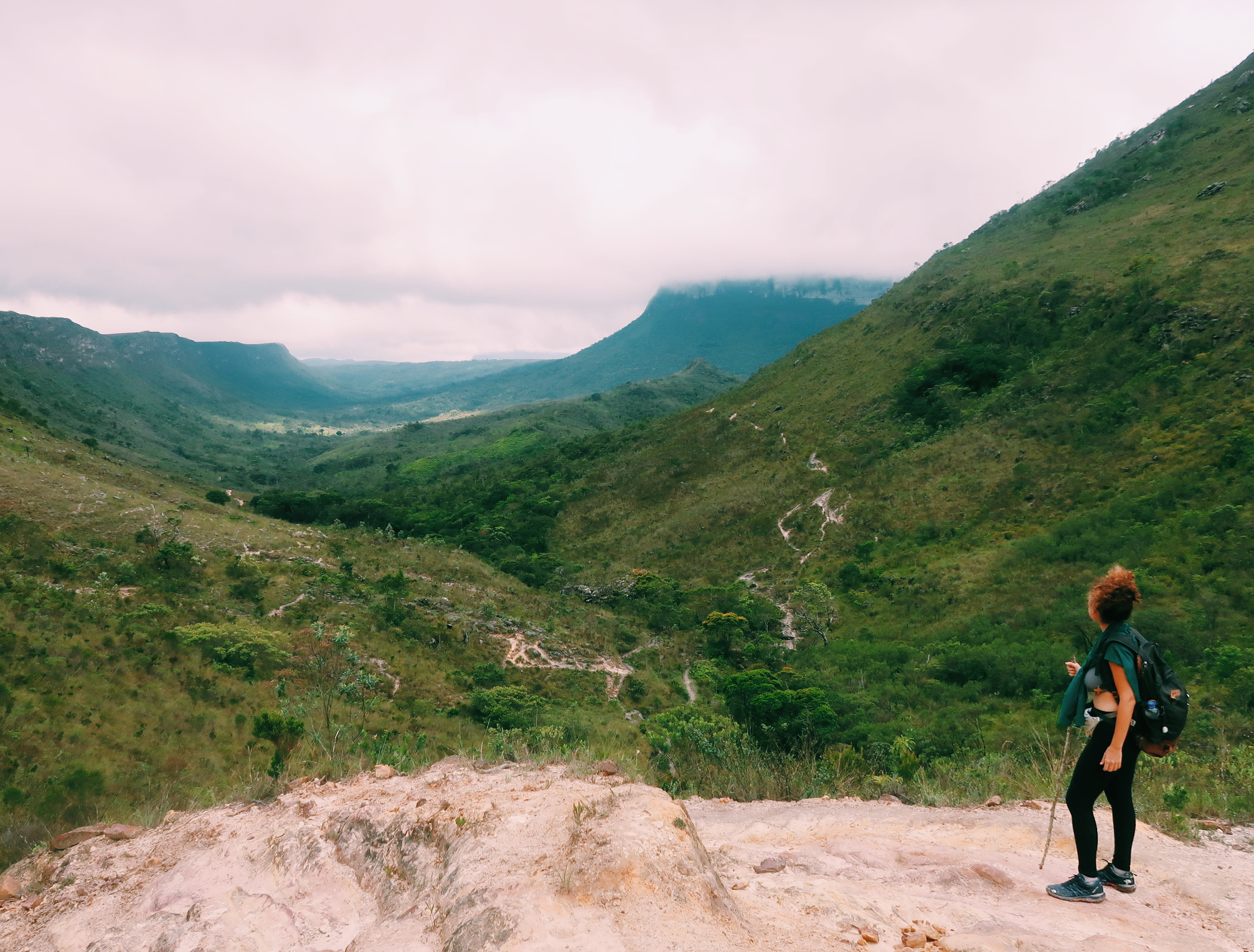
There are three main ways into the Pati Valley: from Guiné (a village in the municipality of Mucugê), from Vale do Capão (a village in the municipality of Palmeiras, popular with backpackers) and from the town of Andaraí. You can enter or leave through any of them, but whichever you choose, you’ll face many kilometers of climbs and descents. I went in through Guiné and came out in Andaraí.
Everything that comes in or goes out of the Pati is carried by horses, mules or people on foot, along the same tricky trails we hiked with so much effort. And when I say everything, I mean it: food, gas cylinders, furniture, building materials, trash… And when we left, we took all our dry waste with us, because otherwise it would pile up there until a mule carried it out.
What can you see on the Pati Valley trek?
The Pati Valley trek is often described as one of the most beautiful hikes in Brazil. Indeed, there’s no shortage of gorgeous things to see. I have to confess, though, that the scenery comes last on the list of things that left a mark on me during this trip.
Getting to know the local way of life and experiencing all of it completely offline, for example, struck me even more. But here are some of the valley’s main “attractions”, just to give you a taste:
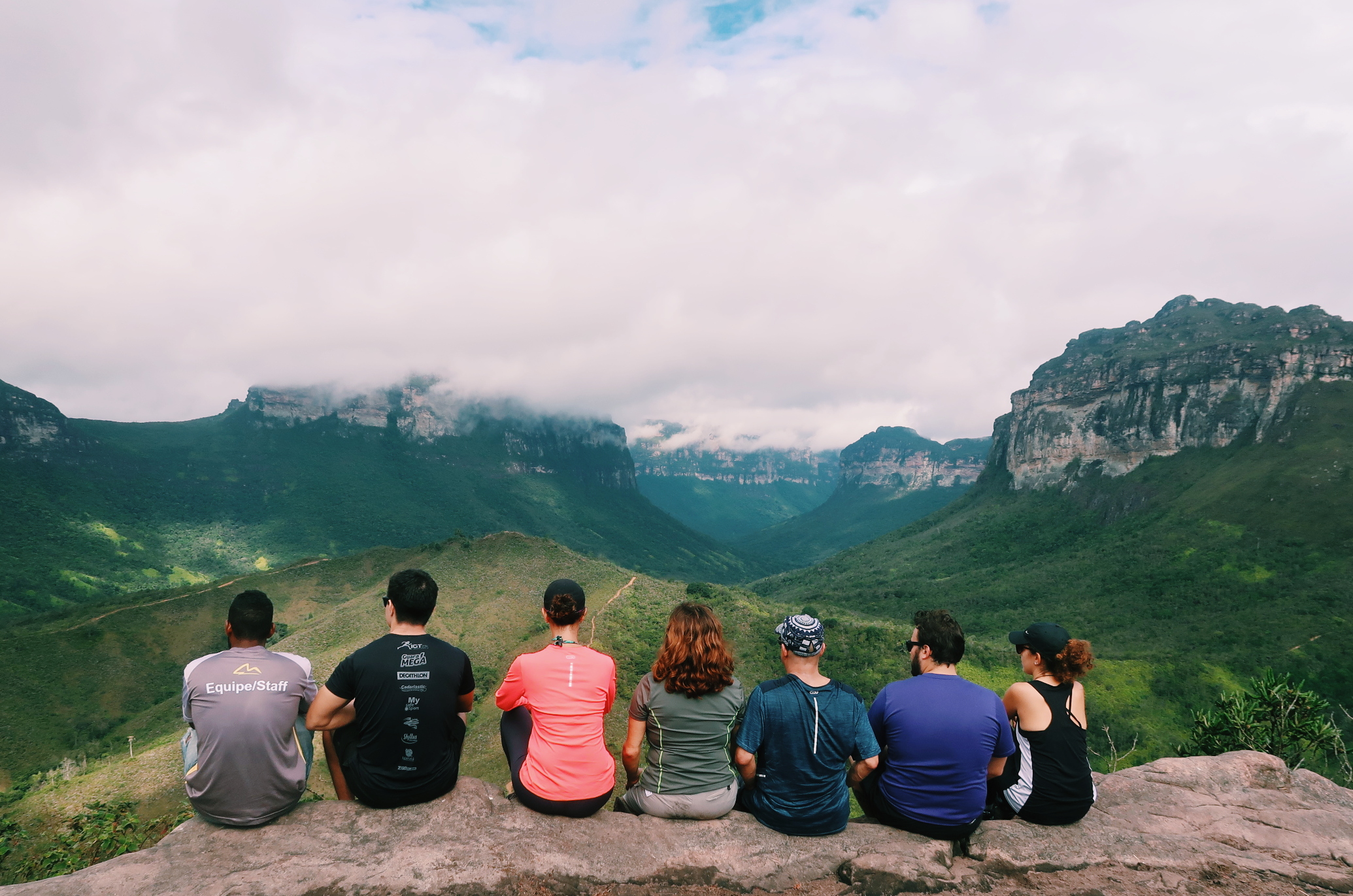
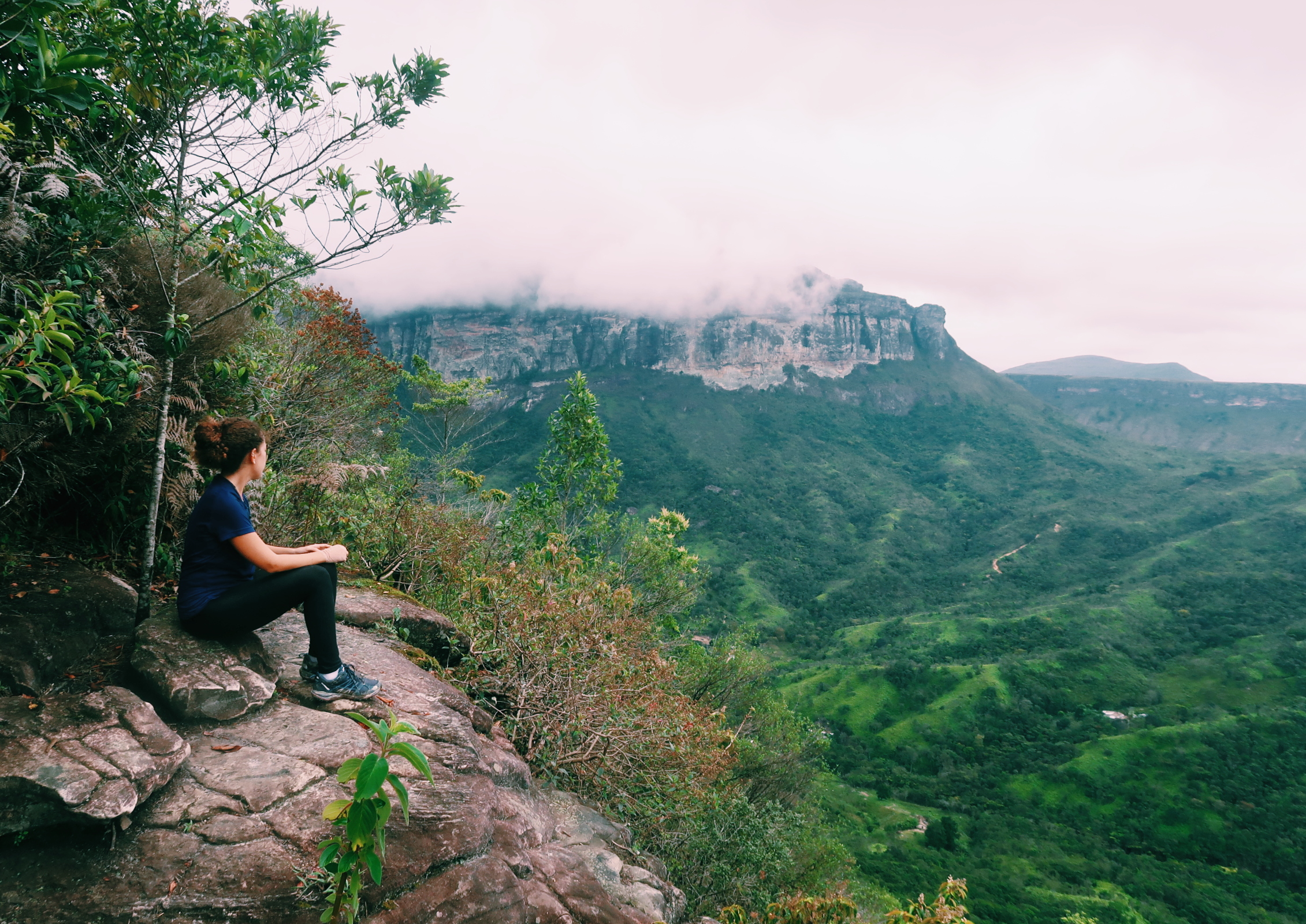
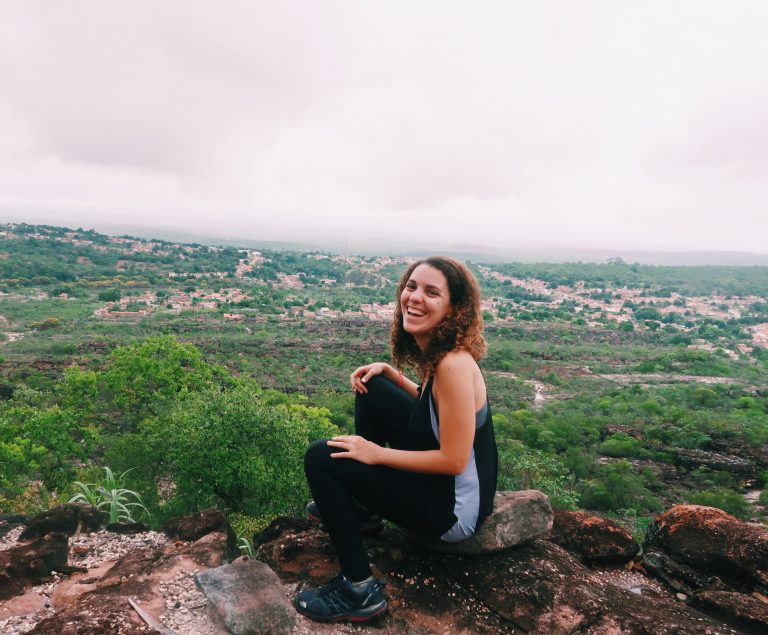
Mirante do Pati (Pati Viewpoint): this was our reward on the very first day of hiking. To get there, we crossed the Gerais do Vieira and Gerais do Rio Preto, wide high-altitude grasslands (gerais) on top of the plateau. From the viewpoint, you can see a huge chunk of the Pati Valley, with its mountains and lush vegetation.
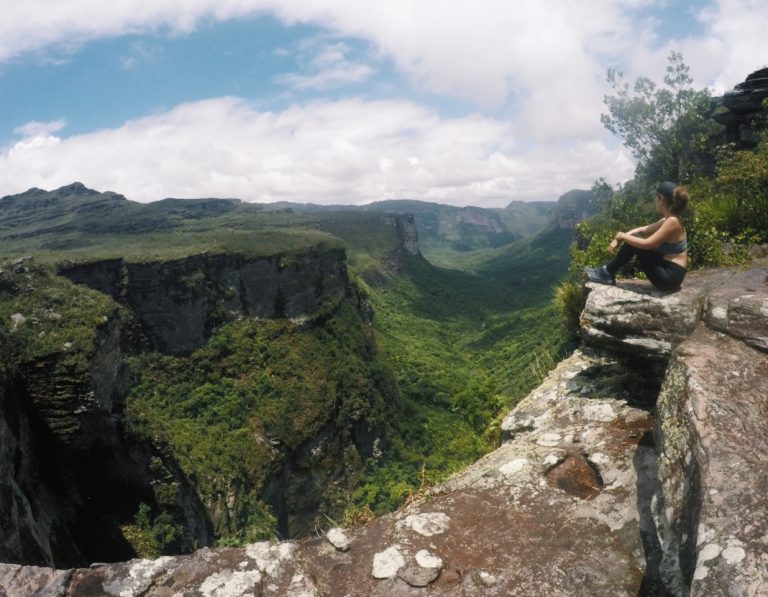
Cachoeirão por Cima (Cachoeirão from above): on the second day, the highlight was the Cachoeirão, an imposing canyon around 300 meters (about 1,000 feet) high where more than 20 waterfalls form during the rainy season. When we went there wasn’t much water, but the view was still impressive.
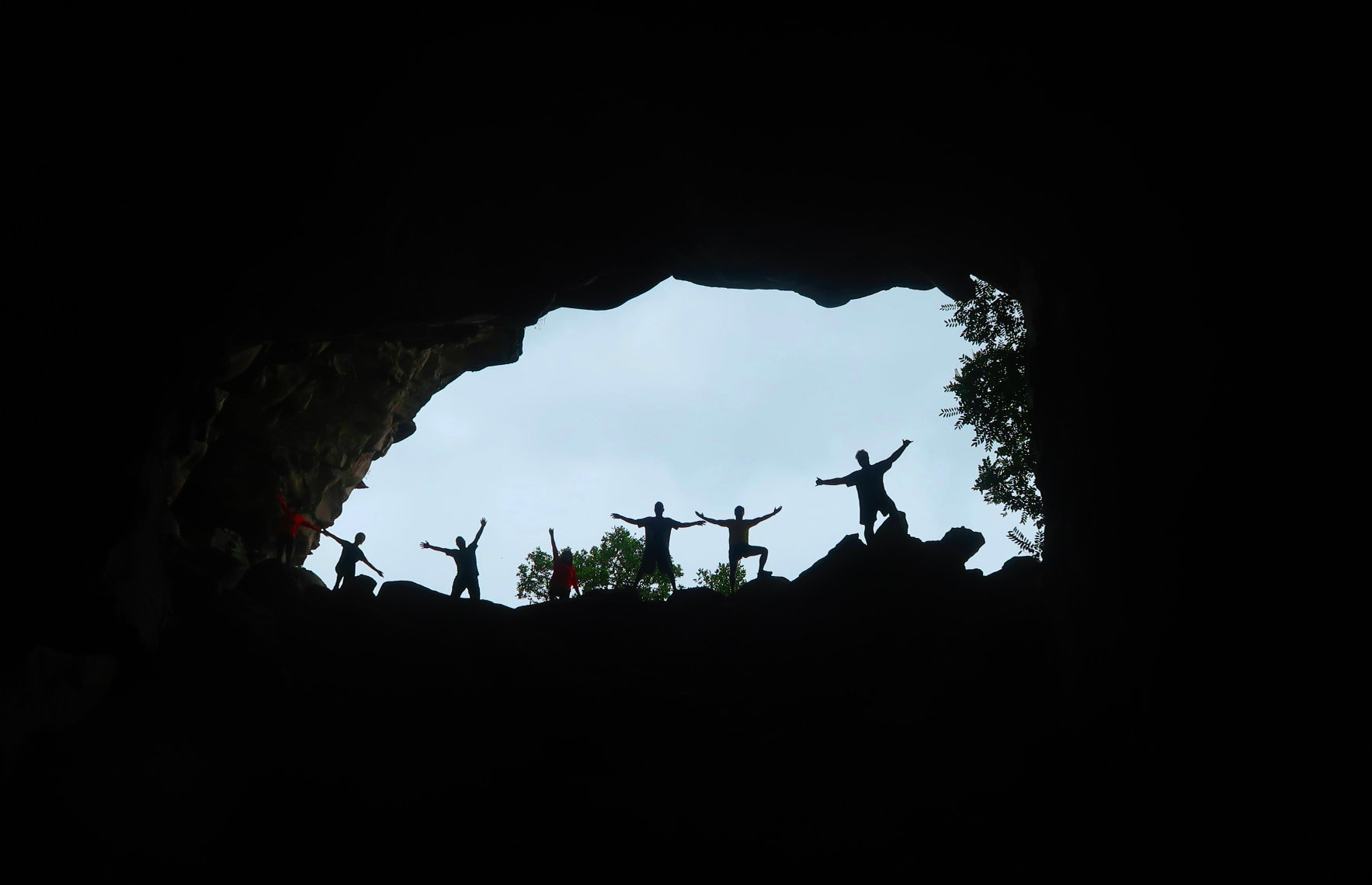
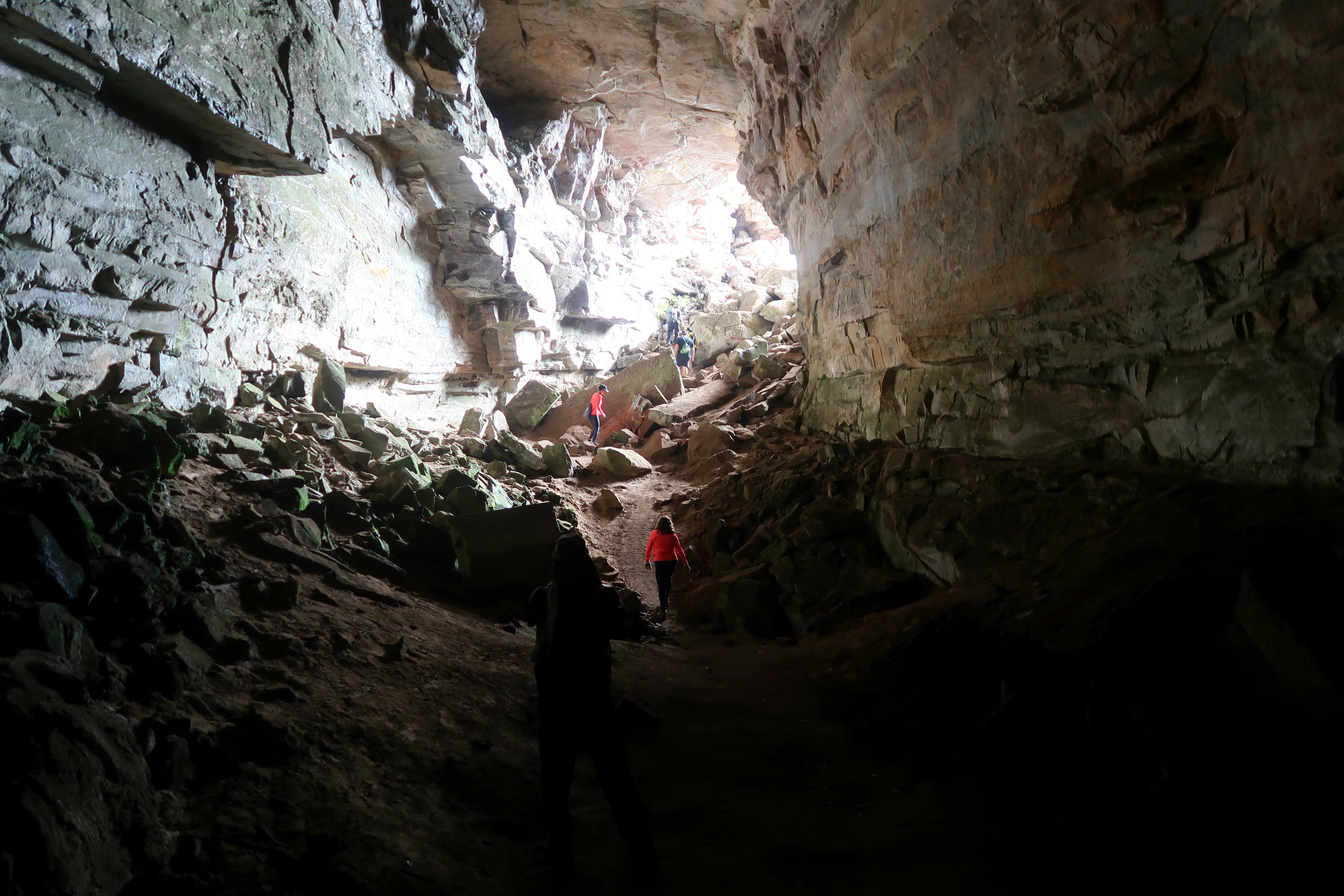
Morro do Castelo (Castle Hill): this trail is considered one of the toughest in the Pati, and it was definitely the hardest one for me. I struggled on the way up, because it’s very steep, has a scrambling section and gets quite slippery when it rains. But it’s worth it: to reach the main viewpoints you walk through a cave with an incredible view, and the viewpoints themselves are amazing.
How many days do you need for the Pati Valley trek?
There are several ways to do the Pati Valley trek. Some people spend just one night in the valley: one day to hike in and another to hike out, passing by spots like the Mirante do Pati along the way.
Many itineraries last three days and include a few more places. In that case, though, you either rush through everything at an even more demanding pace, or you skip Morro do Castelo, Cachoeirão por Cima and so on.
The itinerary considered “complete” is 5 days and 4 nights, which is the one I did and describe at the end of this post. Even so, if we had stayed longer, there would have been more to see, such as the Funis waterfall (Cachoeira dos Funis).
I wish I had stayed two more days, to do a few more trails and mostly to just hang out: swimming in the river, napping in a hammock, reading and chatting around a bonfire without being exhausted…
Distance and elevation
How many kilometers you walk each day on the Pati Valley trek varies a lot depending on the itinerary, but I’d say the average is 15 km (9 miles) a day.
On my itinerary, we had one day of 10 km (6 miles) of relatively easy walking (by Pati standards), another 10 km that were VERY tough, two days of around 15 km (9 miles) and one of more than 20 km (12 miles).
The altitude ranges from 1,000 to 1,500 meters (about 3,300 to 4,900 feet). Morro do Castelo, the highest point we visited, stands at 1,470 meters (about 4,800 feet) above sea level.
How hard is the Pati Valley trek?
The trails on the Pati Valley trek are rated moderate to difficult. You’ll spend long days going up and down, sometimes on steep slopes. People of any age can do it, but you need reasonable stamina and fitness – and, above all, a lot of willingness.
If you have no hiking experience at all, I’d do a few easier trails first, in Chapada Diamantina or somewhere else. But don’t think this trip is only for athletes, either. I’ve never exercised regularly, I booked the trip a month in advance and I didn’t really prepare. My stamina is poor, and I’m weak and clumsy.
During the trek, I struggled more than the others in my group, who had been running and working out regularly for years (and even they didn’t find it easy). But I went at my own pace, at the back, and I made it. The feeling of accomplishment was amazing, by the way.
I think the mental side matters most. I tried not to dwell on how far we still had to go, not to spiral into “I shouldn’t be doing this” thoughts and not to feel embarrassed for being slower than everyone else. I kept balancing giving my best and respecting my limits, and it all worked out.
My muscles hurt a lot, and at night I could barely walk properly. Painkillers, pain-relief patches, an anti-inflammatory gel and andiroba-and-mint essential oil (andiroba is an Amazonian oil Brazilians use for aches) all helped. Also, your muscles warm up as you walk, so during the hikes I didn’t feel much pain.
Besides the distances and changes in elevation, the terrain is quite varied: some stretches cross open grasslands, others go over rocks and along riverbeds.
Some sections are more technical and require a bit of coordination and strength, but nothing out of this world. I’m clumsy and uncoordinated and I managed (with the help of a walking stick and a guide), so pretty much anyone can do it.
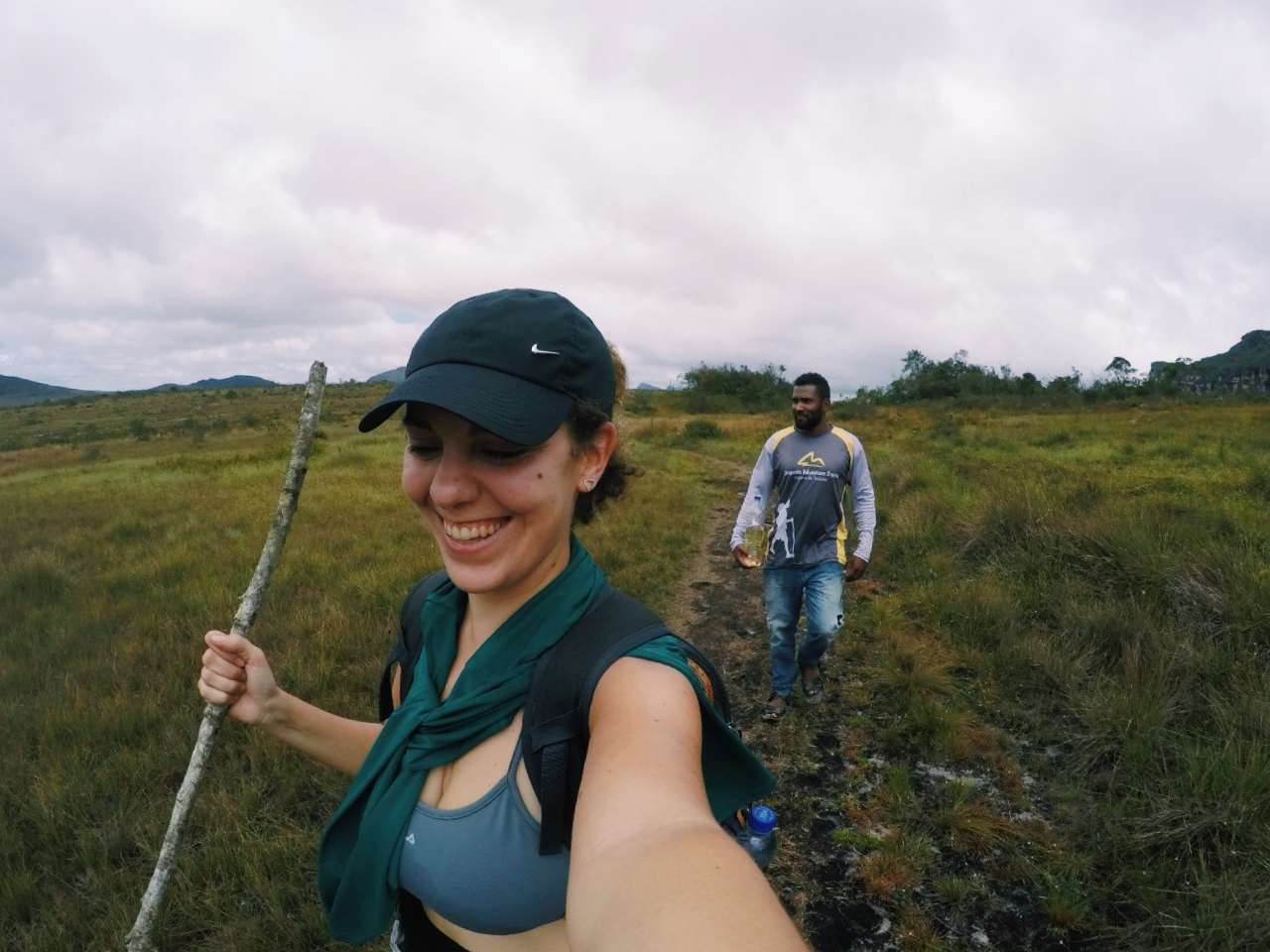
Just beware that if you’re very afraid of heights and don’t feel ready to work on that fear, the trek might not be a good idea, because every day involves some exposure to heights.
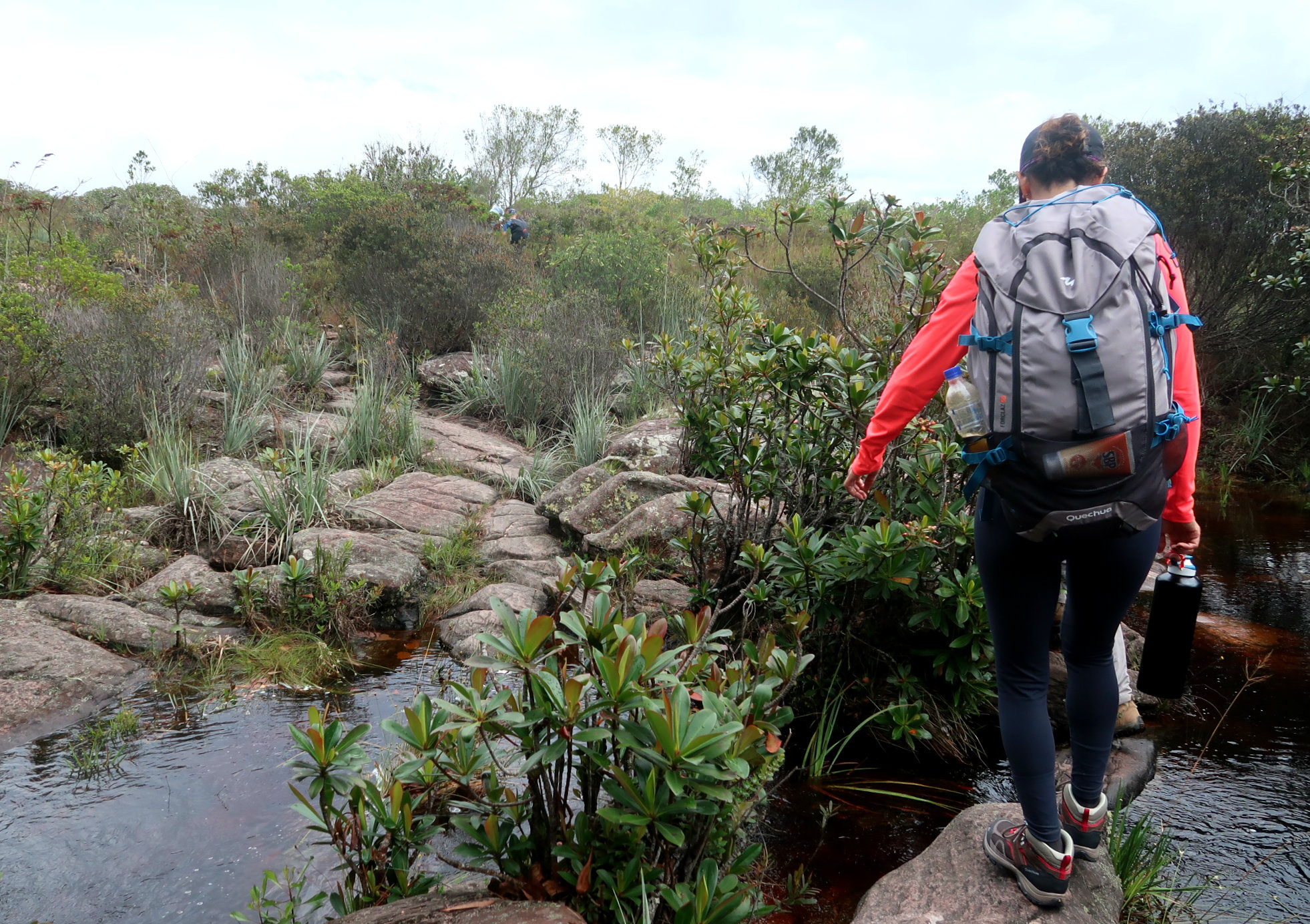
At some points you also need to cross streams. When I went, in November, they weren’t very full and I could hop across on the rocks, but if the water is higher, you’ll have to wade through.
Keep in mind, too, that on some stretches you’ll be more than six hours’ walk from the nearest health clinic. So the Pati Valley trek isn’t recommended for people with heart problems or other serious health conditions.
Do you need a guide for the Pati Valley trek?
Yes! Some trails in Chapada Diamantina can be done on your own even without much experience, but the Pati Valley trek is definitely not one of them. The area is huge and the trails aren’t always well marked. There’s no phone signal, and if someone gets lost out there, a rescue is complicated.
Guides also know how to do the route without harming the environment, which springs are safe for refilling your water bottles, and how to help visitors if they struggle or have an accident. They’re also great sources of information about the place, from geography and plants to history and local culture.
There were 6 of us in the group, with two guides: one walked at the front and the other at the back. That way, they could keep up with both the fastest people and the slowest ones (read: me).
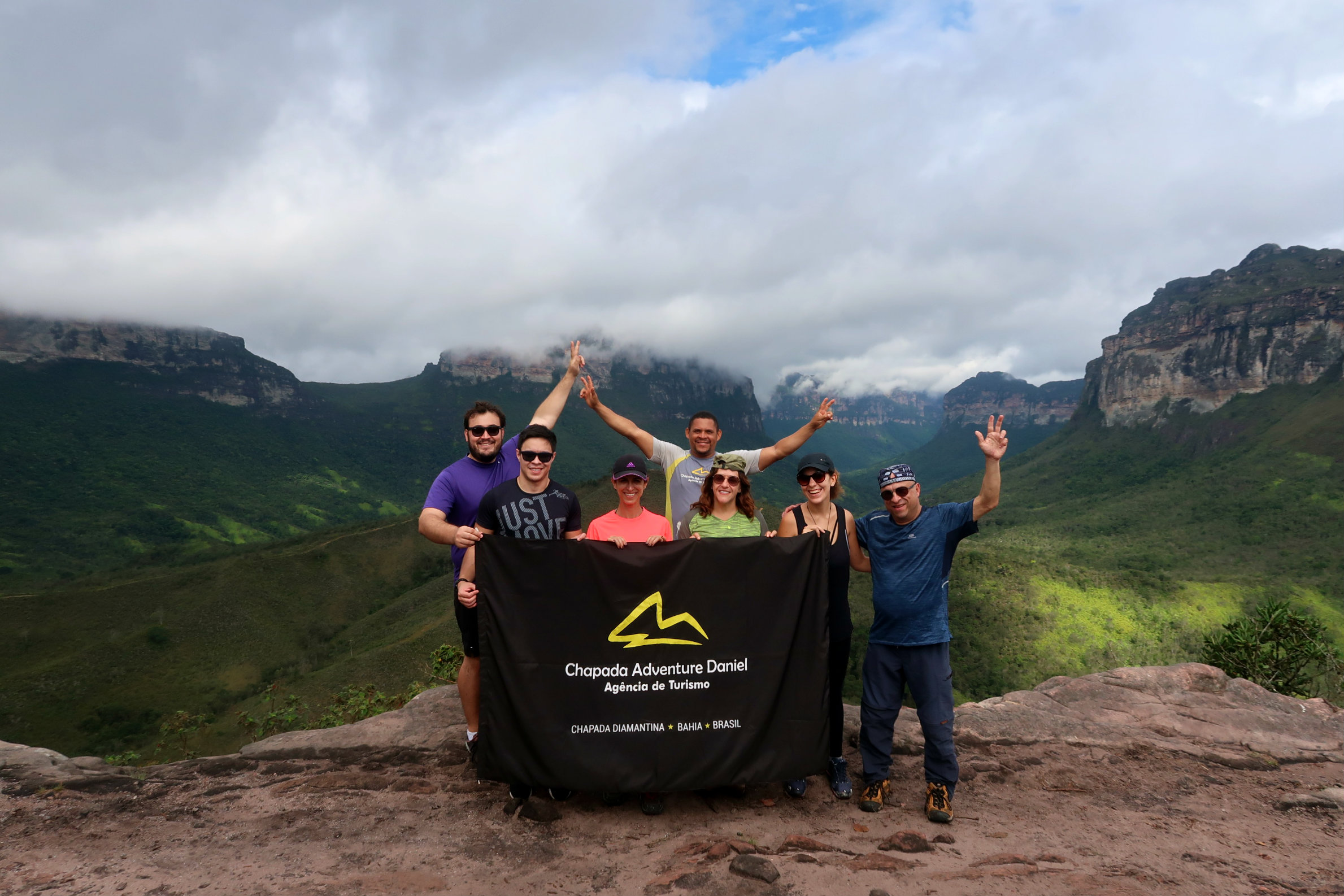
The guides’ experience in the region (and as guides in general) was essential to making the trip so incredible. They also carry a lot of stuff in their backpacks, like the trail snacks and first aid kits, so you don’t have to carry as much weight. And they decide on any changes to the itinerary, for example if a flash flood or something similar rules out a planned hike.
On top of that, they make the “reservations” for your lodging, talking by radio with the people who run the houses where you’ll sleep (more on that below).
If you don’t speak Portuguese, ask the agency for an English-speaking guide when you book. And learning a few words before the trip makes chatting with the families in the valley much more fun – my guide on how to learn Brazilian Portuguese can help with that.
Where do you stay in the Pati Valley?
Remember how I said the few families still living in the Pati Valley now make a living from tourism? Well, most hikers stay in their homes, known as casas de nativos (“locals’ houses”). Some of them also let you camp, using the bathrooms and shared kitchen.
The houses are simple, but they have an amazing vibe and are surrounded by stunning scenery. The ones I stayed in had both dorms and double rooms, some full of bunk beds and others smaller. I always stayed in small shared rooms with part of my group, and on the last night I had a room all to myself. Bedding and towels are included.
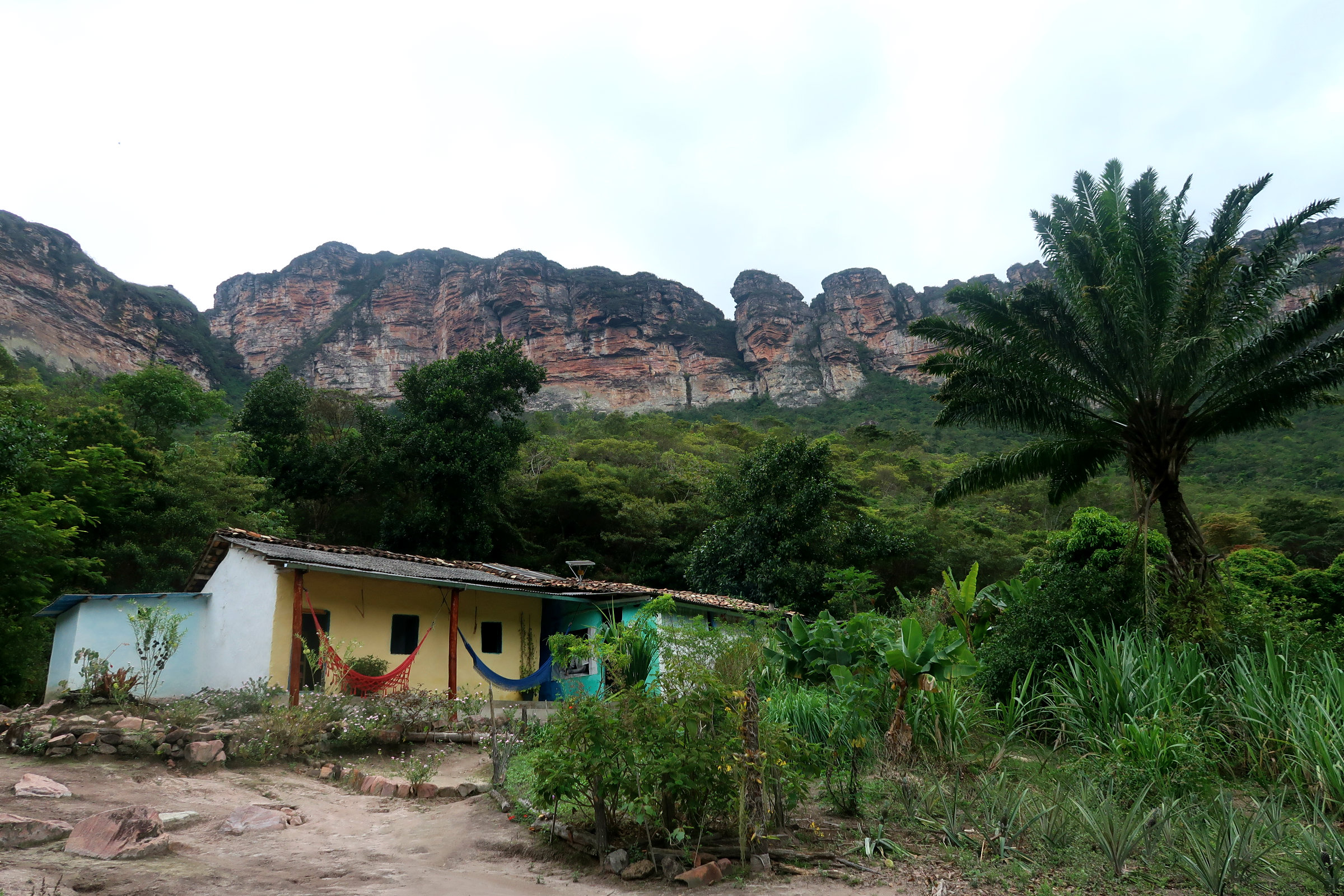
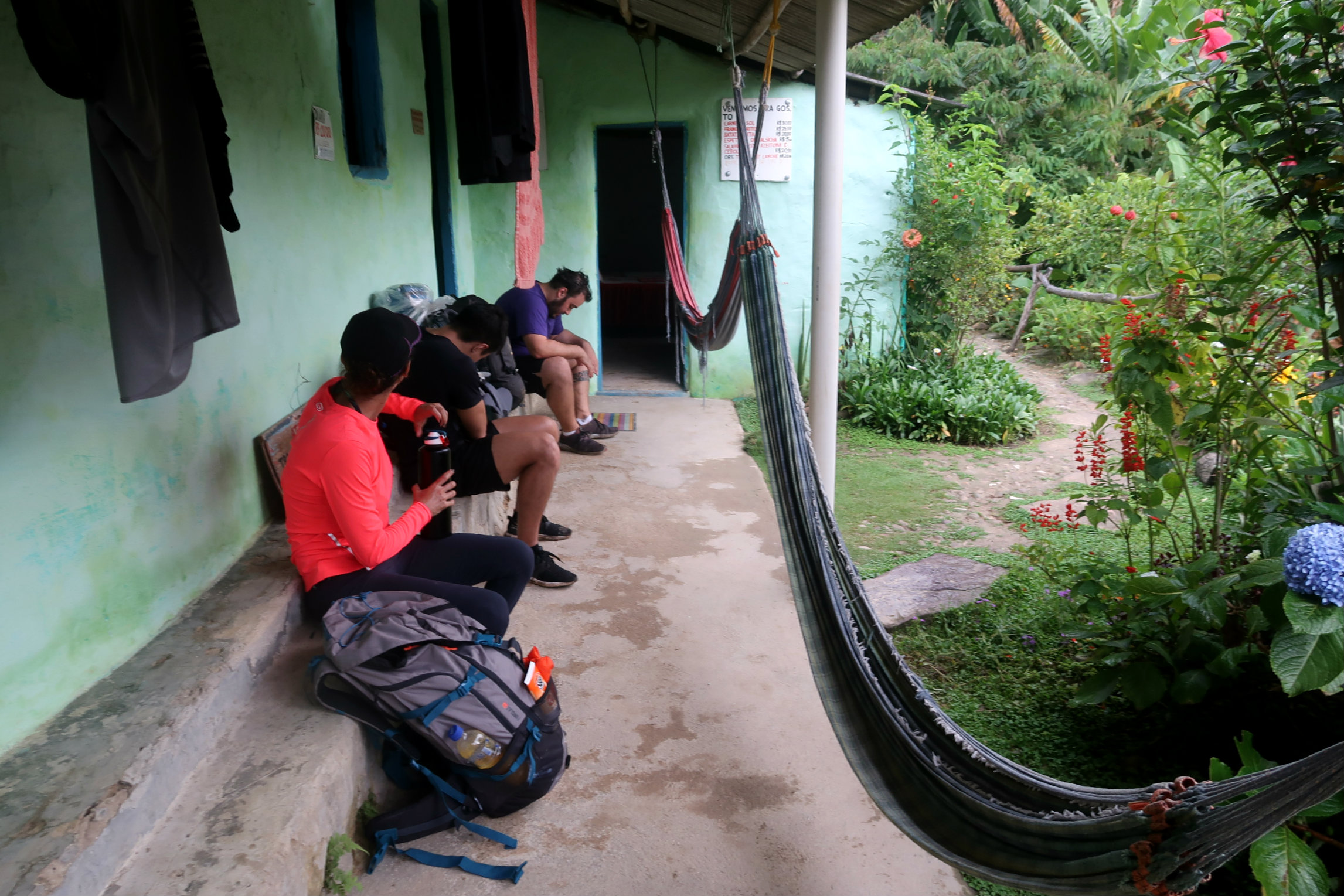
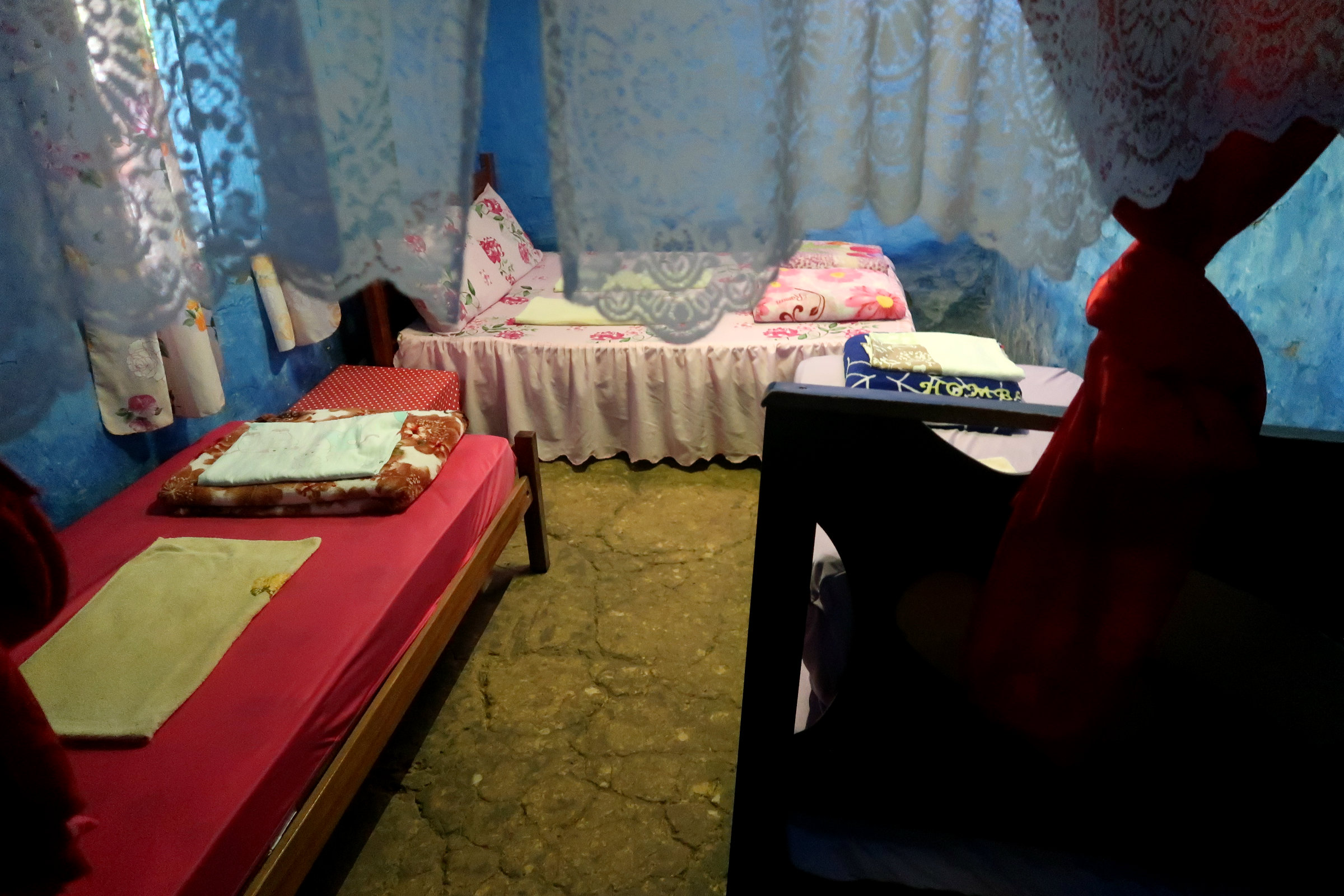
Bathrooms are shared and the water is ice-cold, which was a challenge for me. But I was so dirty by the end of each day that it wasn’t that hard to get over it.
The houses run mostly on solar power. Some rooms have a few lights and others are lit by candles. There were usually only a few outlets for charging phones and cameras, and everyone wanted them – bring a power strip or a multi-plug adapter!
Most houses have a small shop selling toiletries, lighters, batteries and other useful bits, plus some food and drinks (including ice-cold beer, thanks to gas-powered fridges). Prices are higher than in town, which is fair, since everything is brought in on foot or by mule. But it was so worth it – rarely have I enjoyed a cold beer as much as at the end of those days!
Most houses also have a laundry sink, clotheslines, filtered spring water and some gear for campers to rent, like sleeping pads and foam mattresses.
Which houses you sleep in will depend on your itinerary and your guide’s preferences, but I believe they’re all good. I spent two nights at Dona Raquel’s, one at Seu Aguinaldo’s and one at Dona Linda’s. (Dona and Seu are respectful titles Brazilians use before first names, a bit like Mrs. and Mr. but a bit less formal than Senhora and Senhor).
The first two are bigger and more “commercial”, closer to hostels. I never even met the owners, and I came across dozens of people from all over the world there.
I loved that atmosphere of meeting people, but Dona Linda’s house (in the photos below) was my favorite, precisely because it’s smaller and simpler. It has no shop and only a few rooms, but she welcomed us personally, cooked for us before dawn and was just lovely.
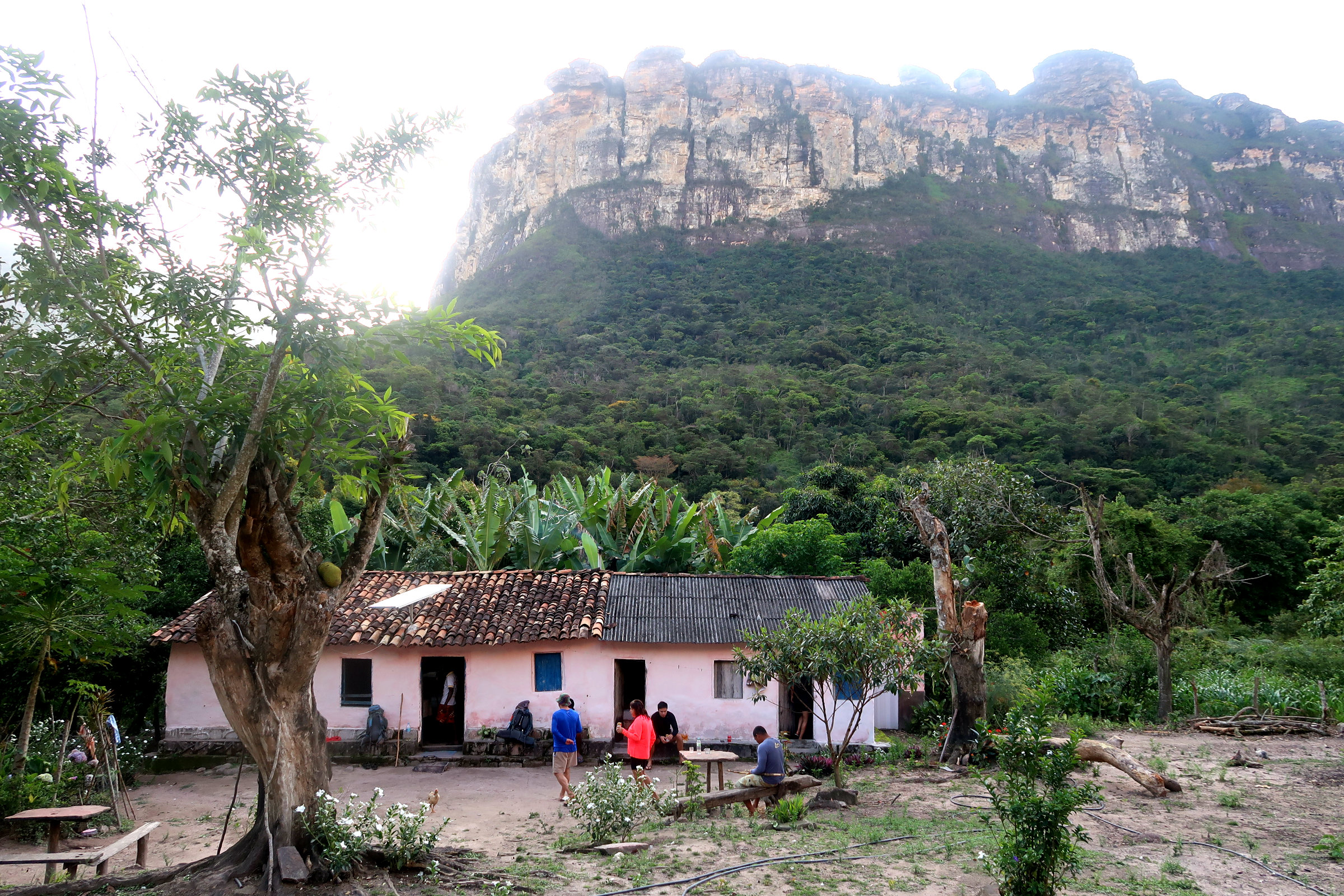
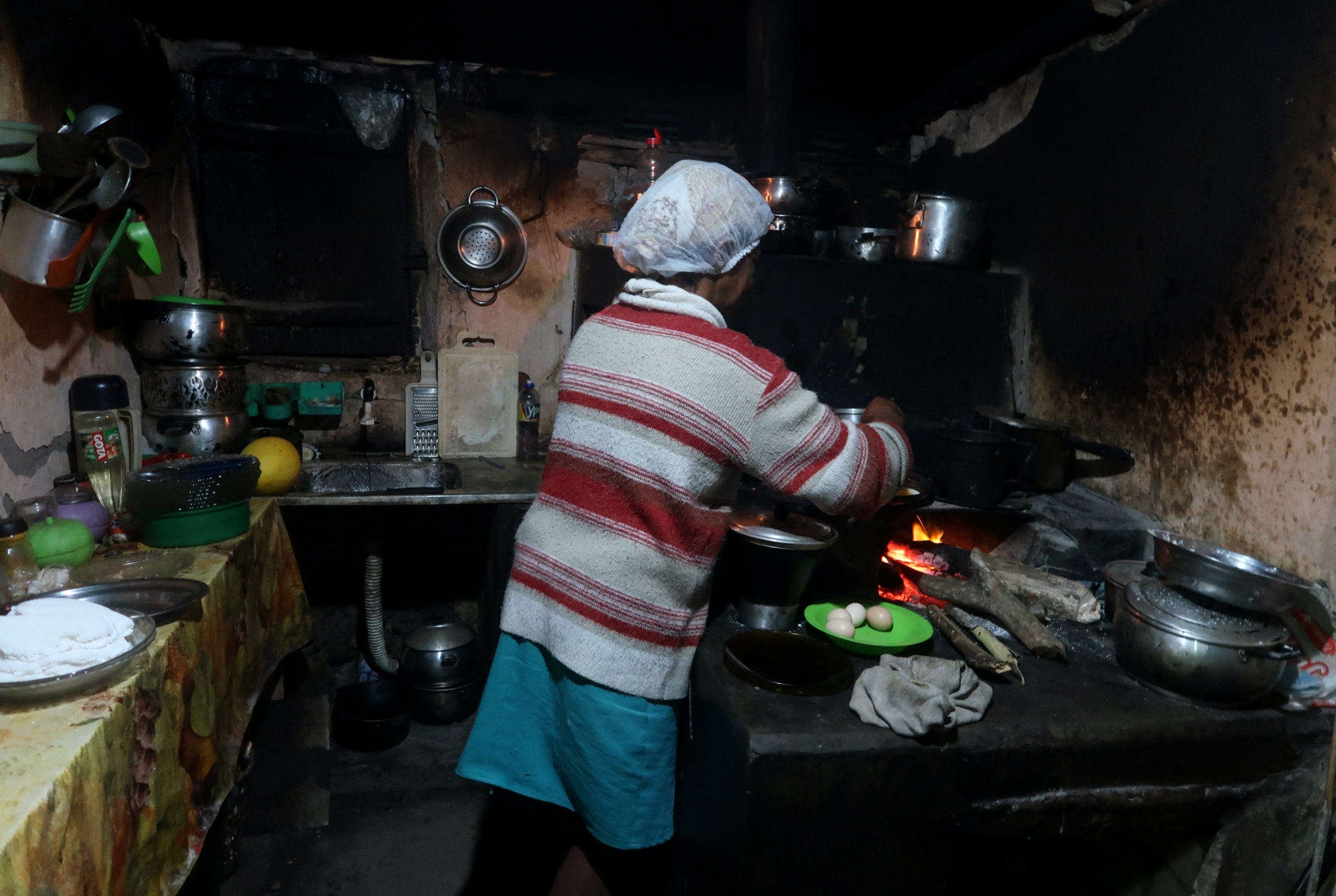
Looking for a place to stay in Chapada Diamantina before or after the trek? Check out my tips on where to stay in Chapada Diamantina.
What’s the food like?
When you book with an agency or guide meals are usually included but double-check with whoever you choose. With Chapada Adventure Daniel, we had full board at the houses where we stayed (breakfast and dinner), plus a packed lunch prepared by the guides during the day.
Breakfast was usually served at 7 a.m. and included freshly baked bread and cakes, fruit, juice, coffee, cuscuz (a steamed cornmeal dish from northeastern Brazil), tapioca (a crepe made from cassava starch), sweet potato, boiled banana and other treats. Dinner was served at 7 p.m., with options like different meats, palma (cooked cactus pads) and godó (a green banana stew), both typical of the region, plus salads, pasta and more. There were also vegetarian and gluten-free options.
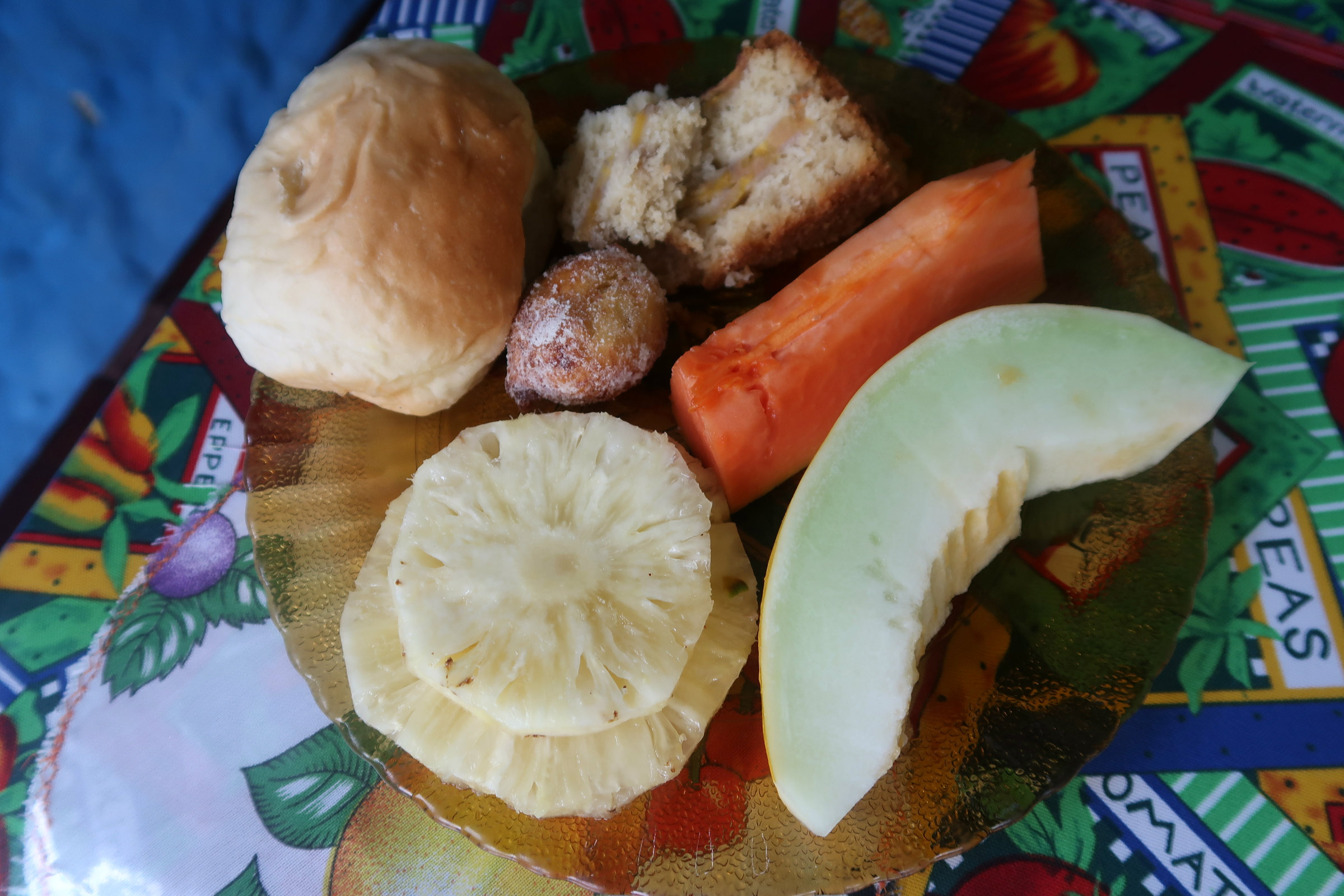

We also ate really well on the trails. I brought some snacks from home and didn’t touch them. On the first day, each of us got a little bag with two sandwiches, a banana, an apple, a cereal bar, cookies and chocolate.
On the following days, the guides set up picnics with boiled eggs, tuna and carrot sandwiches, fruit, juice, freshly brewed coffee, cereal bars, peanuts and other goodies.
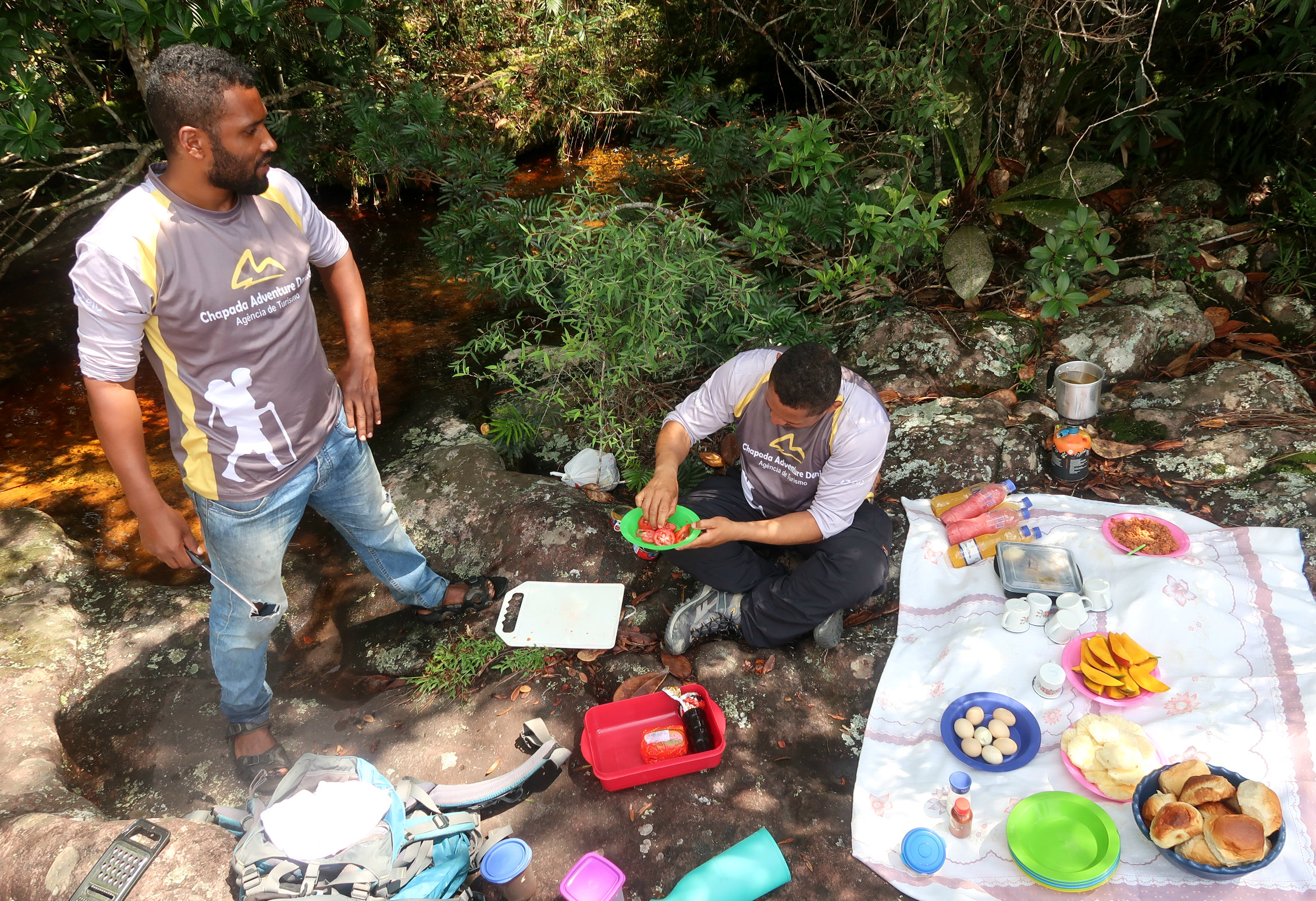
Some people choose to cook their own meals in the houses’ shared kitchens (paying a fee to use them), but I don’t think the savings are worth it. I’d never have had the energy to cook dinner after hiking – by nightfall I was always wiped out – and having warm home-cooked food, with seconds, was wonderful.
When is the best time to do the Pati Valley trek?
You can visit the Pati Valley all year round, but the rainy season usually runs from November to April. In the other months, the waterfalls carry little water and the Cachoeirão may be almost dry.
That said, since it’s a valley, the region has its own microclimates, and the weather is hard to predict. Days usually start chilly and get sunnier, but you can get strong sun as well as rain and wind with little warning.
When I went, in November, it drizzled a bit in the morning and then stopped. I think I was lucky with the weather because it was a happy medium: I didn’t get too much sun in my face, and the trails weren’t super muddy from the rain.
Around Lent (roughly February to April), the valley turns purple, because it’s full of quaresmeiras (glory trees), which bloom at that time of year. It must be the most beautiful thing!
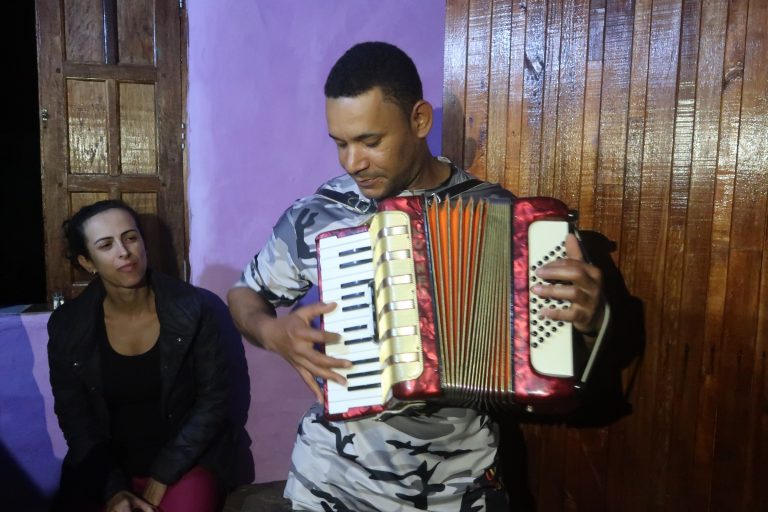
During the June festivals (Festas Juninas, also called São João, a huge celebration in northeastern Brazil), Carnival and New Year’s, the Pati gets VERY busy, but also livelier than usual – especially at Dona Raquel’s house, where her sons play forró (the traditional dance music of northeastern Brazil) as the band “Filhos da Raqué”. We got a little preview of the party, with an impromptu dance session led by her son João on the accordion.
What to pack for the Pati Valley trek
This trip was the peak of minimalism in my life, because you have to carry your own backpack in most days, so every kilo counts. It’s important to bring only what’s strictly necessary, but good gear makes a real difference.
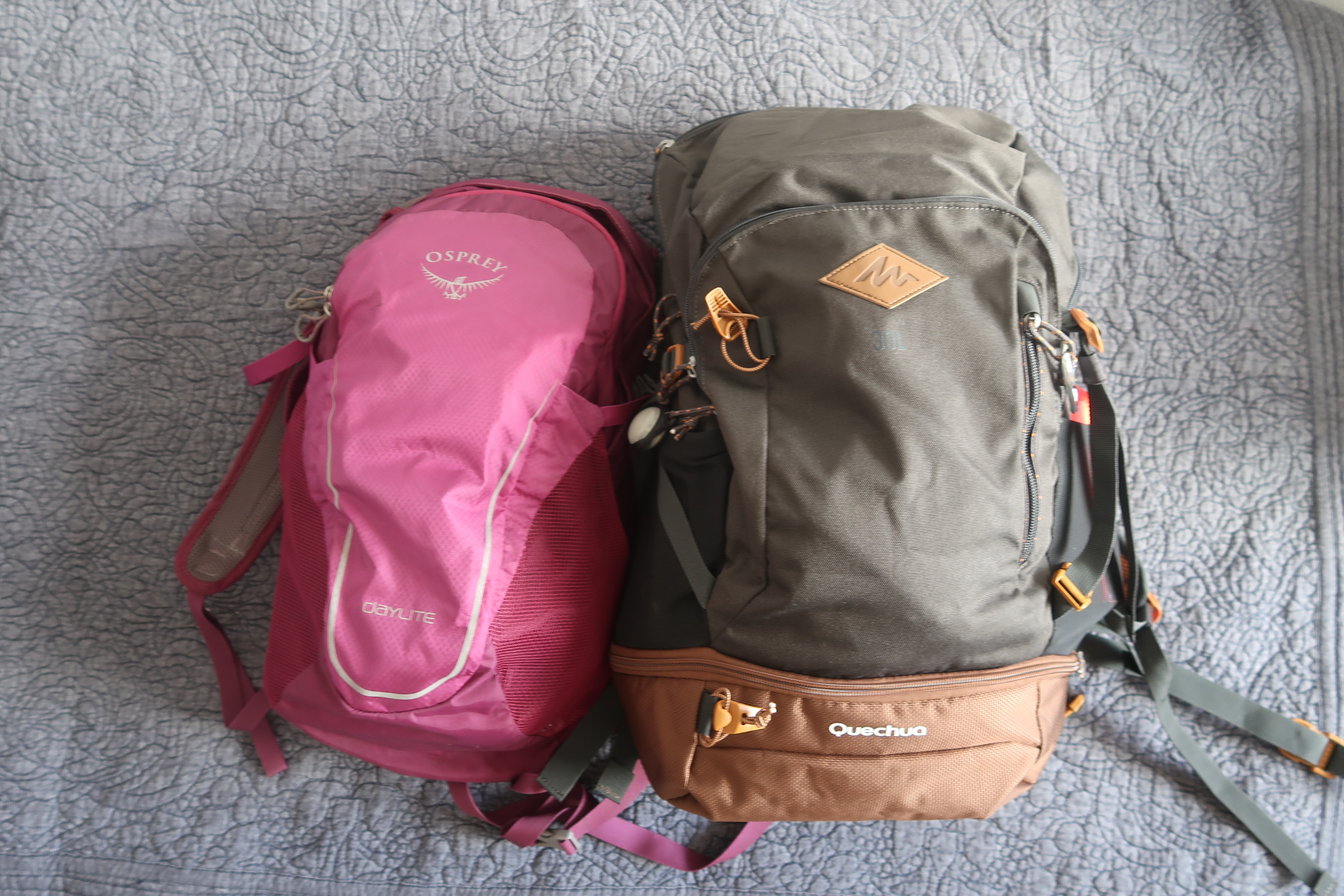
I recommend a really comfortable backpack of 20 to 40 liters. I took a 30-liter Quechua/Decathlon one and it was more than enough. Shoes are another key item: choose proper hiking footwear, whether trail shoes or boots (boots help prevent ankle sprains, but I wore shoes and was fine).
If your shoes are waterproof like mine, even better, because of rain, mud and the occasional stream crossing. The guys in my group wore regular sneakers with smooth soles and came out (almost) unscathed – well done! But ideally, you should have shoes with proper trekking soles.
Don’t forget a good rain jacket and a rain cover for your backpack, sunscreen, sunglasses, a hat and a water bottle (ideally 1.5 liters, or a few smaller bottles, which you can carry full or refill at springs along the way).
When I went, the little shops in the valley only took cash, so bring some Brazilian reais in case you need anything – and check with your agency or guide whether that’s still the case. Also pack any medication you usually take, because there’s no pharmacy in the valley.
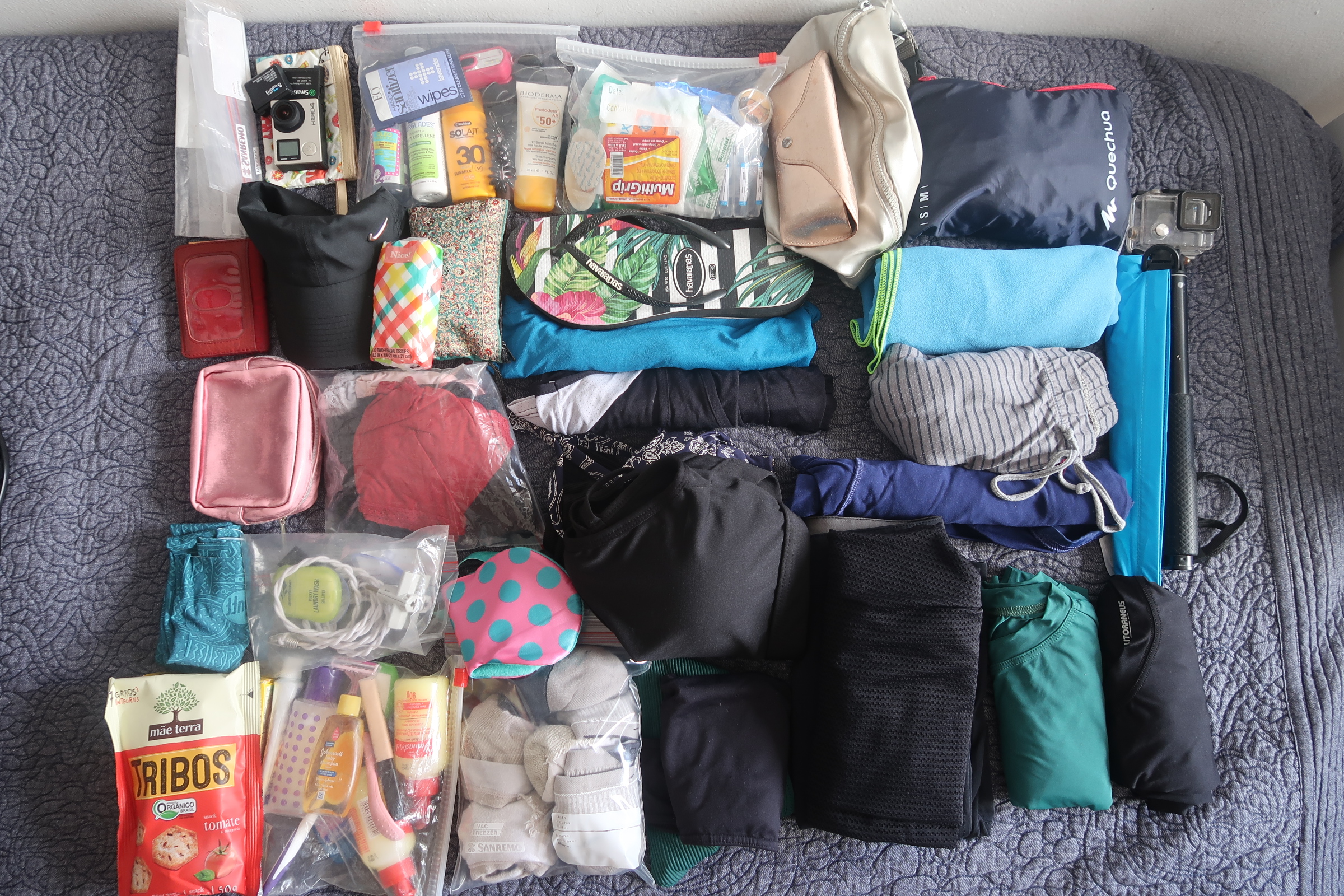
I wore long pants almost every day, for comfort and to protect my legs, but the guys wore shorts and were fine. At night it got a little chilly (in June I think it drops to around 15°C / 59°F), and I wore leggings and a light fleece, but the houses had blankets.
It’s smart to cut down on clothes: your “pajamas” can be the outfit for your last day of hiking, for example. You can also do laundry at the houses, but I only did it when I was staying more than one night, because the weather was humid and things took a long time to dry. I wore the same dirty pants for about three days in a row – everyone’s a bit grubby anyway, you just have to let it go!
I took one pair of leggings and one pair of shorts for the day, leggings to sleep in, two bikinis and four tops (one of them a long-sleeved UV shirt), and it was more than enough. Just don’t skimp on underwear and socks – bring one pair per day, because wet feet can lead to blisters.
Other things I took:
- small flashlight
- flip-flops
- insect repellent
- sunscreen
- quick-dry towel (for swimming in rivers and waterfalls)
- trash bags
- dry bag to protect electronics in heavy rain
- toiletries, all in mini sizes
- Canon G7X camera
- GoPro with extra batteries and a GoPro stick
- chargers for my phone and camera
- mini wallet
- earphones
- sleep mask
- lip balm
- wet wipes and tissues
- water purification tablets
- power strip / multi-plug adapter
- fanny pack, to keep my camera at hand
I also brought a small first aid kit with saline solution, anti-itch cream for insect bites, gauze, medical tape, cold and sore throat medicine, painkillers, pain-relief patches, andiroba-and-mint essential oil, an anti-inflammatory, blister plasters and antihistamines.
The only things I missed were hand sanitizer to use before eating our trail lunches, and something extra for sore muscles, like an anti-inflammatory gel or arnica cream. Other than that, I was really happy with what I brought!
My backpack weighed a little over 4 kg (9 lb) without water, and almost 6 kg (13 lb) with it. The usual advice is not to carry more than 10% of your body weight, so I was right at the limit. It would have been nice to pack a bit lighter, but I only really felt the weight on the first day.
I also had a second, smaller backpack (the purple one below) with my laptop and some extra clothes for the days I spent in Chapada Diamantina after the trek, and I left it at the tourism agency.
How much does the Pati Valley trek cost?
Prices change often, so I won’t list exact figures here – check current rates directly with the agency or guide you choose. What I can tell you is what goes into the cost.
When I went, the native homes charged a standard per-person rate for a bed with breakfast and dinner. On top of that, you pay for the guides and any other services. The total price depends on:
- how many days the trek lasts;
- how many people are in your group;
- whether full board is included;
- whether you have your own car to get to the trailhead;
- any extras offered by the guide or agency.
As I mentioned, I did the trek with Chapada Adventure Daniel and their service was excellent. I partnered with them because I had already done several day tours with the agency the year before and found them very serious and organized. I think they’re a great option for solo travelers like me, because you book everything online and they put the group together and arrange transfers.
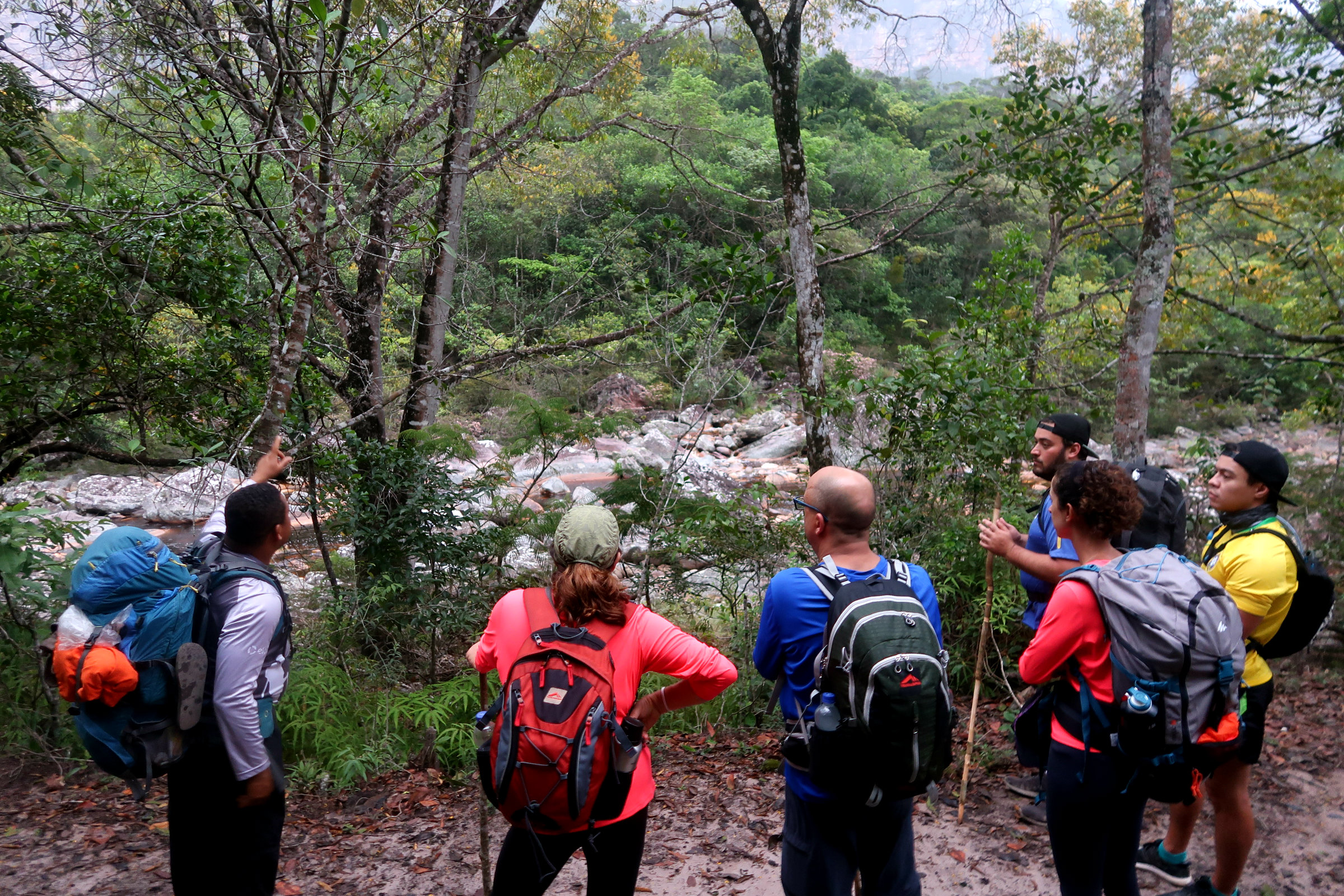
My 5-day package included pick-up from the Lençóis bus station to my guesthouse (and back), a briefing the evening before the trek, transport to the trailhead, guides (two for our group of six), and all meals and lodging. You can check upcoming departure dates and current prices on their website.
If you’re traveling with a group, you can also hire a guide directly. If you go that route, I recommend researching guides VERY carefully and only going with someone who comes highly recommended, because I saw and heard about some pretty disorganized ones.
My Pati Valley trek itinerary, day by day
Day 1: the Chapada Adventure team picked everyone up from their guesthouses at 8 a.m. and took us to the agency’s office in Lençóis, the main base town in Chapada Diamantina. We left the things we weren’t taking on the trek in their lockers and drove to the trailhead in Guiné.
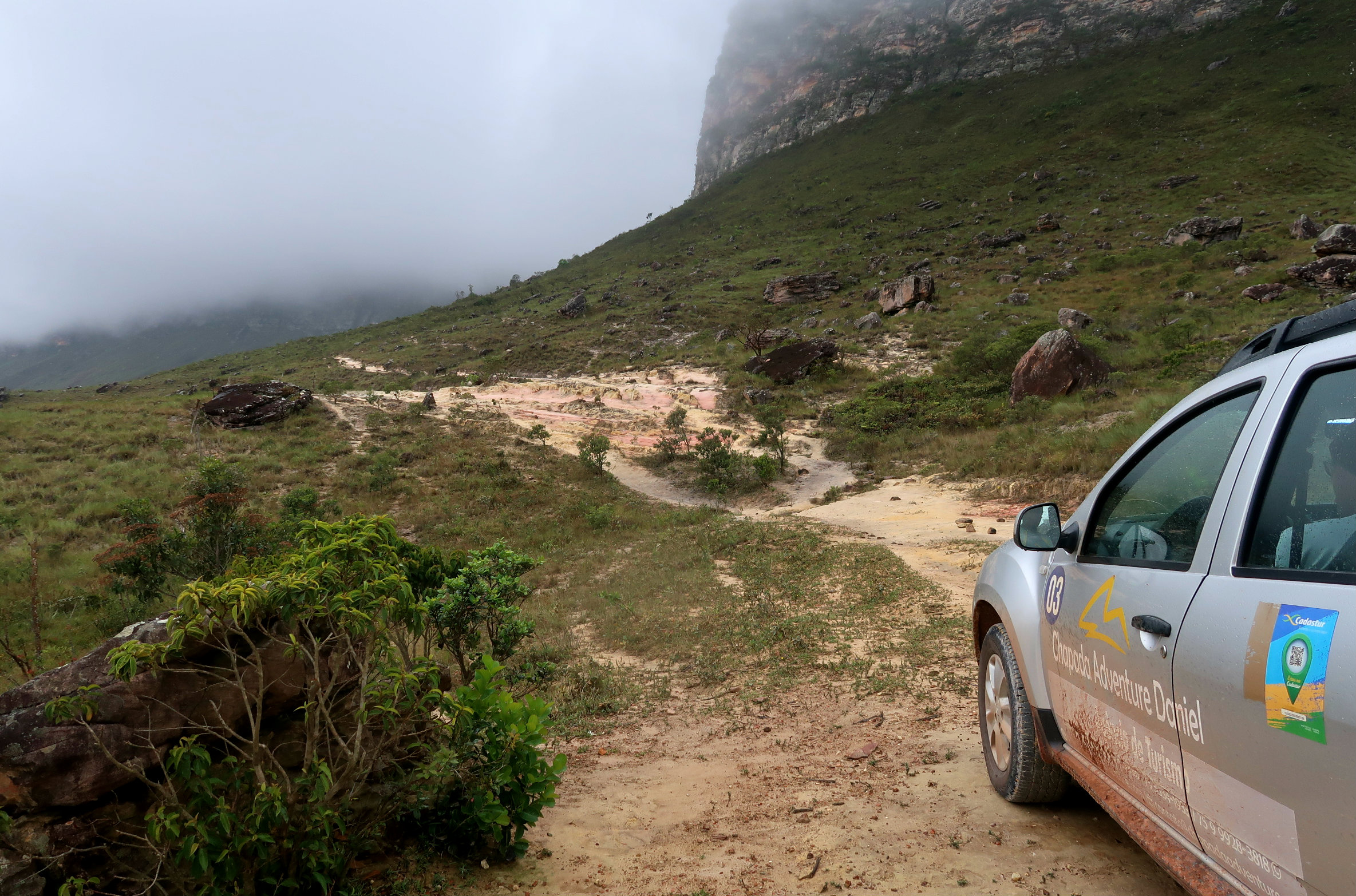
We got there in about two hours, mostly on dirt roads, and started hiking at 11:30 a.m.
That day we walked about 15 km (9 miles), with lots of climbing. We crossed the Gerais do Rio Preto, stopped at the Mirante do Pati and reached Dona Raquel’s house around 4 p.m. In the evening there was an improvised forró party at the bar run by João, one of Dona Raquel’s sons.
Day 2: we left at 8:30 a.m. carrying only the essentials (we left the rest of our things at the house). Around noon we reached the Cachoeirão, where we visited two viewpoints. On the way back, we stopped at a nearby river to swim and have lunch. We walked about 18 km (11 miles) that day.
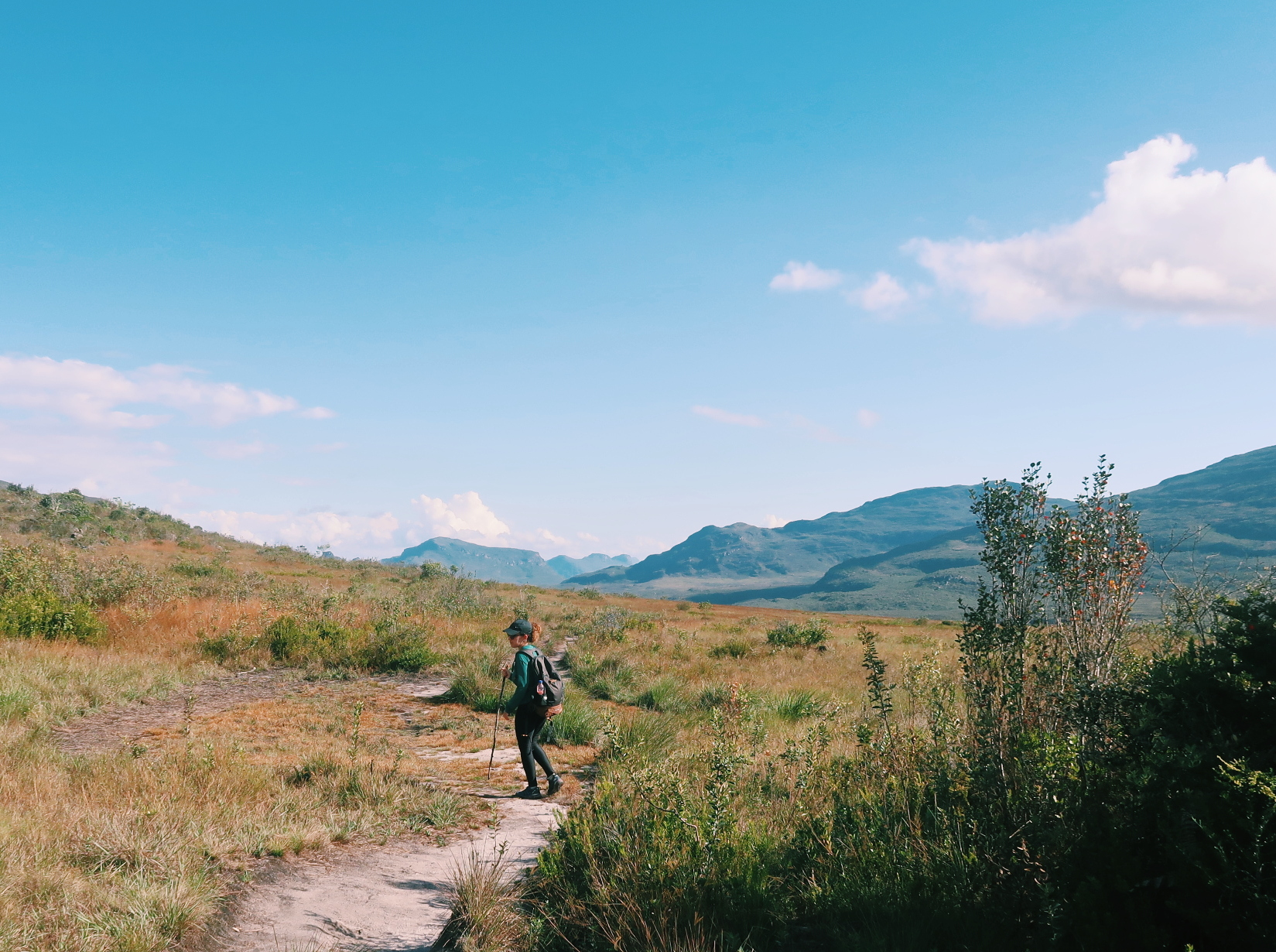
Day 3: we set off at 9 a.m. and walked to Seu Aguinaldo’s house, about 500 meters from Dona Raquel’s, where we dropped our things. With lighter backpacks, we headed to Morro do Castelo, also known as Morro da Lapinha.
We only walked about 10 km (6 miles) that day, but it was the hardest for me (and for lots of other people too), because the climb up the hill is very steep and technical, with scrambling sections (where you have to use your hands to climb over rocks).
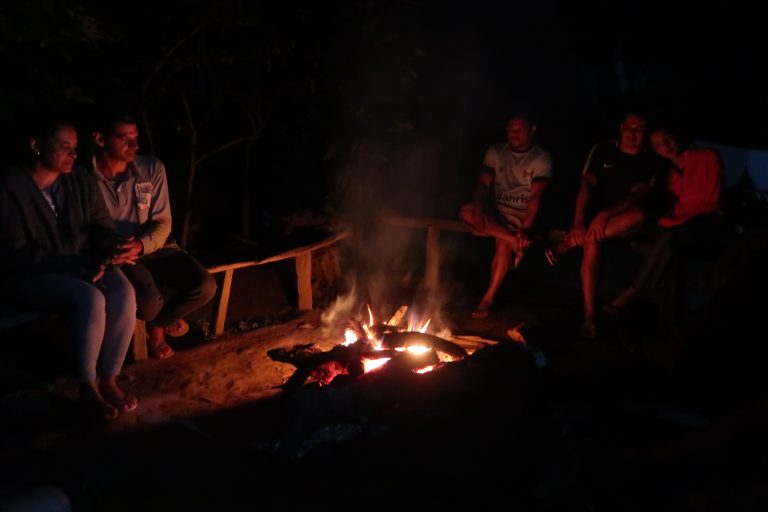
We had lunch with a stunning view, at the top of one of the viewpoints, and got back to the house around 4 p.m. In the evening we made a bonfire and had some beers. If we had left earlier and had more energy, we could have added the Funis waterfall that day, but I think it would have been VERY tiring.
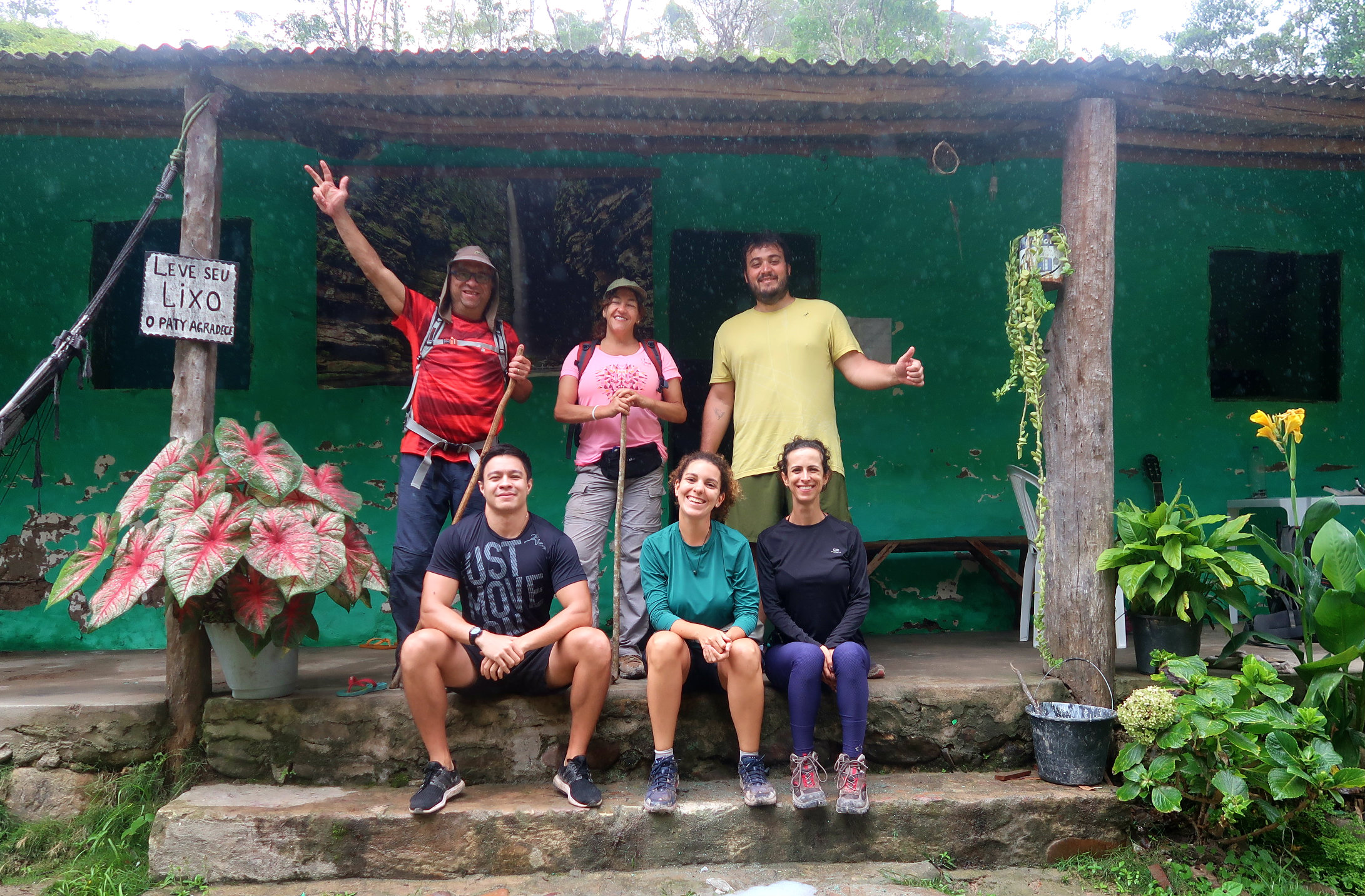
Day 4: we left around 9:30 a.m., because the route was easier and we wanted to reach the day’s main “attraction” when the sun was out (it rained every morning). The guides called this hike the “Barbie Trek”, because we walked just over 10 km (6 miles) and it was by far the easiest day of the whole trek.
We hiked with our full backpacks to the Poço da Árvore, a natural pool we reached around 11 a.m. We had lunch, went for a swim and enjoyed the place without rushing, and then walked to Dona Linda’s house, arriving around 3:30 p.m. Her house is the simplest of the ones we stayed in, but it was my favorite.
Day 5: we woke up at 4 a.m. to leave at 5, so we’d avoid the sun on the Ladeira do Império, a tough climb out of the valley. That day we walked about 22 km (14 miles), including around 4 km (2.5 miles) of steep uphill. We were lucky enough to get rain, so I found it easier than I expected.
We stopped for a snack at Alto da Boa Vista, where we could already see Andaraí, and then hiked down into town and walked to the Sorveteria Apolo, an ice cream shop. We got there around 11 a.m., and part of the group went on from there to Poço Azul and Poço Encantado, two caves with crystal-clear blue pools nearby.
I had already visited both the year before, so I went straight back to Lençóis, arriving at 1 p.m., already missing the Pati Valley.
Volunteering in Chapada Diamantina
Want to spend more time in Chapada Diamantina, enjoy the region at a slower pace and still save money and have amazing experiences? Try volunteering through Worldpackers!
On this platform you’ll find opportunities to swap a few hours of work a week for accommodation and other perks, like meals and tours. There are great volunteering positions in Lençóis, Ibicoara and Vale do Capão. When you sign up, use the code JANELASABERTAS to get 20% off.
Have you done the Pati Valley trek? What did you think? Are you planning to go and still have questions? Tell me in the comments!
I did the Pati Valley trek in partnership with Chapada Adventure Daniel (they offered me the trek complimentary in exchange for being mentioned here on the blog). All opinions are my own and were not influenced by the company in any way. I value transparency and always disclose any partnership or sponsorship.
For lots more travel content every day, follow me on Instagram. See you there! :)










0 Comentários