
Things to Do in Chapada Diamantina, Brazil: 15-Day Itinerary
Looking for the best things to do in Chapada Diamantina, Brazil? You’ve come to the right place! I’ve been there twice and have done everything from easily accessible attractions that don’t require a guide to a five-day trek through a remote valley. I visited both free and paid attractions, some with great tourist facilities and others with none at all. And I definitely left wanting to come back!
In this guide, I’ll share everything I learned from my trips to help you plan your own visit to Chapada Diamantina, whether you’re traveling with or without a car, and regardless of your fitness level.
You might also like these articles:
Where to stay in Chapada Diamantina, Bahia
Where to stay in Salvador, Bahia
Where to stay in Chapada dos Veadeiros National Park
What is Chapada Diamantina like?
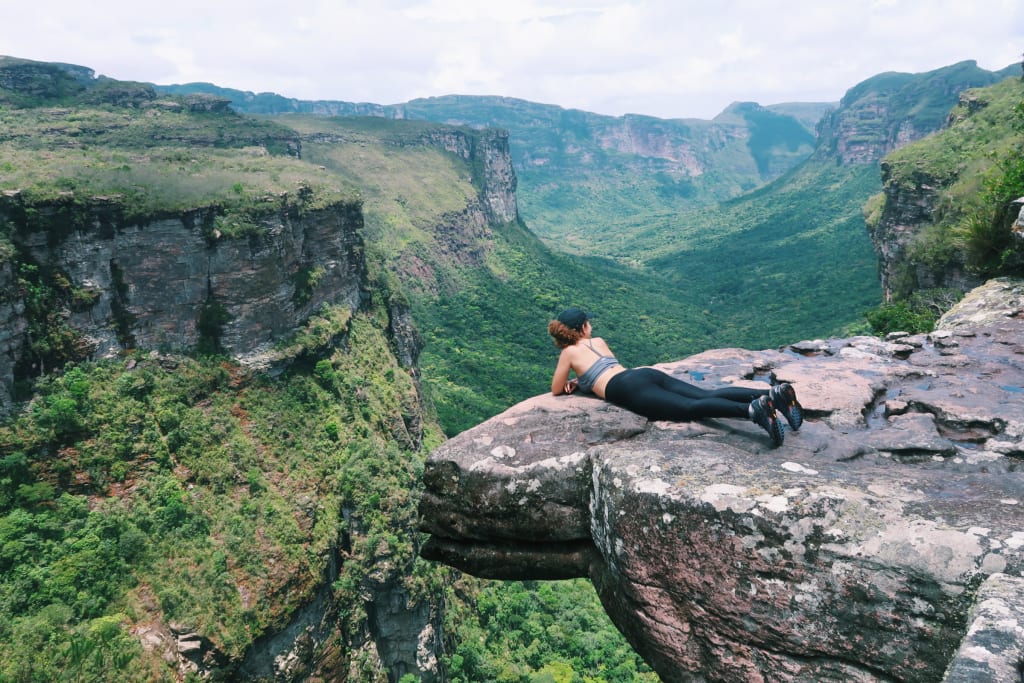
Chapada Diamantina is a huge region located about 450 km (280 miles) from Salvador, the capital of Bahia, which is one of Brazil’s biggest states. So, one thing you should know from the start: it’s impossible to see it all in a single trip. There are countless hiking trails, waterfalls, natural pools and mountains spread across different ecosystems, including Caatinga, Cerrado, rocky grasslands and high-altitude forests.
Chapada Diamantina encompasses 24 municipalities. Some towns and villages are particularly popular as bases for visitors, especially Lençóis (which has the best tourist infrastructure), Vale do Capão (actually a village within the municipality of Palmeiras), Mucugê, Igatu, Andaraí and Ibicoara.
If you have a car, you can easily plan a longer Chapada Diamantina itinerary on your own, spending the night in several of these places along the way. If you’re traveling without a car, as I did on both of my trips, a good option is to stay in fewer places and book day trips with local tour operators to visit attractions in other parts of the region. Lençóis has plenty of options if you plan to use organized tours for at least part of your trip.
How many days do you need in Chapada Diamantina?
As I mentioned above, no matter how long your Chapada Diamantina itinerary is, you won’t be able to see everything this region has to offer. So, whenever someone asks me how long they should stay, my usual answer is: “as long as you can!”. If you want to explore its trails, natural pools and other wonders at a relaxed pace, even a whole month wouldn’t be enough.
But if you don’t have that much time, I’d recommend at least four full days to get a good taste. You can certainly stay for less, but the trip will feel quite rushed. Keep in mind the travel time from Salvador, as well as the journey from your previous destination to Salvador, and the distances between some of the region’s best attractions.
In this guide, you’ll find plenty of ideas for things to do in Chapada Diamantina based on my own trips. I’ll also suggest an itinerary of up to 15 days, which you can easily shorten or extend depending on how much time you have, and which places you want to visit. But first, I’ll answer a few other common questions about traveling to Chapada Diamantina.
How to get to Chapada Diamantina
There is an airport near Lençóis, the town with the best tourist infrastructure in Chapada Diamantina, but flights are limited and tend to be expensive. For that reason, most travelers either drive directly from their city of origin or fly to Salvador and then rent a car or take a bus to Chapada Diamantina.
The bus company Rápido Federal runs services from Salvador to Lençóis and Palmeiras, the municipality where Vale do Capão is located. The journey to Lençóis takes around 6.5 hours (but there might be delays).
On my first trip to Chapada Diamantina, I took an overnight bus from Salvador’s main bus station — at the time, it left at 11 pm — and arrived in Palmeiras at around 6:30 am. From there, I took a local shared transfer to Vale do Capão. At Palmeiras’ small bus terminal, you’ll usually find drivers offering this short journey (it’s an informal transportation service).
I only used Lençóis and Vale do Capão as bases because I was traveling solo and without a car, and public transportation is easier on these routes. As I mentioned above, having a car gives you much more flexibility and makes it easier to stay overnight in several different towns during your trip.
Where to stay in Chapada Diamantina
Speaking of overnight stays, where should you stay? Here are some accommodation options in the towns and villages most commonly used as bases by travelers. I’ve also written a full article on where to stay in Chapada Diamantina.
Lençóis: If you’re looking for plenty of comfort, Hotel Canto das Águas is a great option. For something a little more affordable, Terra dos Diamantes and Luar do Sertão are good choices. If you’re on a tighter budget, check out Solar Azul and Pouso da Trilha. A friend of mine stayed at Tatu do Bem and also recommended it.
For travelers on a very tight budget, Albergue Chapada Hostel, Hostel das Estrelas and Viela Hostel are worth considering. Another inexpensive option is Casa Mangamel, where I stayed twice. The facilities are very simple, but I found it good value for money, especially since I wanted a private room.
You can also check out other accommodation options in Lençóis on Booking.com.
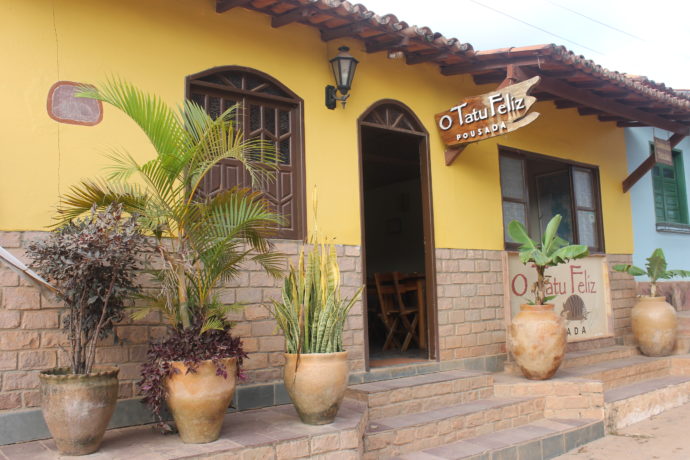
Vale do Capão: On both of my trips to Vale do Capão, I stayed at the same place: Pousada Tatu Feliz, right on the village’s main street. The location is perfect, especially if you’re traveling without a car and are more interested in enjoying the atmosphere of the village than spending time at your accommodation. The breakfast is good, the staff is very friendly, and it offers good value for money.
If you’re looking for somewhere with a little more charm and better facilities, check out Pousada Pé no Mato, Pousada Zazen, Pousada Rosa dos Ventos and Pousada do Capão. Many places to stay in Capão are worth the trip in themselves!
You can also go straight to Booking.com to browse accommodation in Capão (Caeté-Açu).
Mucugê: A friend recommended Pousada Monte Azul. It isn’t particularly close to the town center, but if you have a car, its location is convenient for exploring the surrounding area. Another highly rated option in Mucugê is OForasteiro.
Igatu: Pousada Flor de Açucena is one of the most recommended places to stay in Igatu and looks quite unique, with rooms built among the rocks that are so characteristic of the village.
Andaraí: In Andaraí’s historic center, Donnana Hostel Adventure & Trekking is a great option. It offers rooms with either private or shared bathrooms.
Volunteering in Chapada Diamantina
Want to spend more time in Chapada Diamantina so you can get free accommodation and discover even more amazing things to do in Chapada Diamantina? Consider volunteering through Worldpackers.
The platform connects travelers with hosts where you can exchange a few hours of work per week for accommodation and other benefits, such as meals and tours. There are some great volunteering opportunities in Lençóis, Ibicoara and Vale do Capão, which you can browse for free. When you sign up, use the promo code JANELASABERTAS to get 20% off. For more information, read my guide on how Worldpackers works.
What to pack for Chapada Diamantina
If you’re wondering what to pack, here’s my packing list for inspiration:
- Hiking shoes or boots
- Comfortable socks (preferably hiking socks that cover your ankles)
- A small daypack for hikes and day trips
- Swimwear (preferably comfortable ones)
- A microfiber towel (the compact, quick-drying kind)
- Comfortable hiking clothes (leggings, shorts, dry-fit or UV-protection shirts, etc.)
- A rain jacket (and a rain cover for your backpack)
- Comfortable clothes for the evening
- A reusable water bottle
- Any medication you regularly take
- A light jacket for evenings if you’re visiting during the Brazilian winter
- Some cash (ATMs can be hard to find in some towns)
- Sunscreen
- Insect repellent
- Sunglasses
- A hat
Do you need a guide in Chapada Diamantina?
It depends on the attraction. Some hikes are straightforward and some attractions are more tourist-oriented: you pay an entrance fee and have access to facilities such as restaurants and restrooms. But many trails aren’t clearly marked or signposted, so exploring them on your own can be risky.
In Vale do Capão, tours are usually arranged directly with local guides who are members of the Vale do Capão Guides Association, with standardized rates. It’s important to support their work and be a responsible traveler, and they can give you more tips on the best things to do in Chapada Diamantina.
In Lençóis, on the other hand, travelers without a car often rely on tour agencies. They usually offer day trips that include transportation, a guide, lunch or a snack, and entrance fees when applicable. There are also some trails and attractions very close to town that you can visit independently or with a guide hired locally. They’re definitely worth visiting, although they aren’t among the most spectacular — or famous — sights in Chapada Diamantina.
Things to do in Chapada Diamantina: suggested itinerary
Ideally, I recommend reading through this whole guide to see which attractions appeal to you the most. Then, depending on how much time you have, you can put together your own Chapada Diamantina itinerary. To make things easier, though, here’s my suggested day-by-day route.
Day 1: Arrive in Vale do Capão – Poço da Angélica and Cachoeira da Purificação
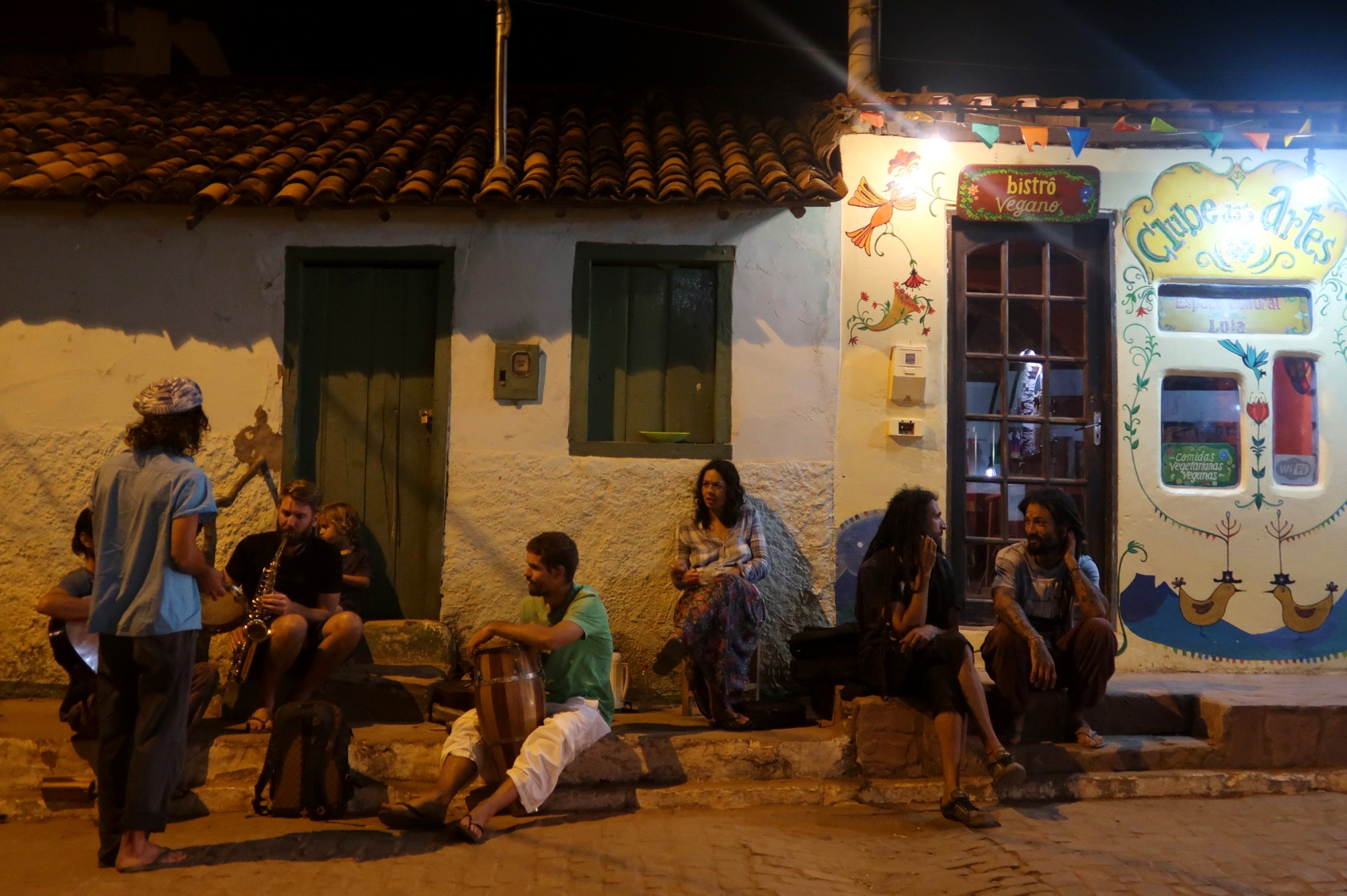
Some of the best things to do in Chapada Diamantina are around Vale do Capão, but the village itself is also an attraction. It basically consists of two streets and a small square, which are very quiet during the day but come alive at night.
You’ll find great homemade and vegetarian food, natural food shops and plenty of people who originally came to Capão as visitors and never left. If you’re there on a weekend, check out the organic produce and handicraft market on Sundays and keep an eye on the schedule at Circo-Escola do Capão, a local circus school that hosts performances on some weekends. I loved it!
Poço da Angélica and Cachoeira da Purificação
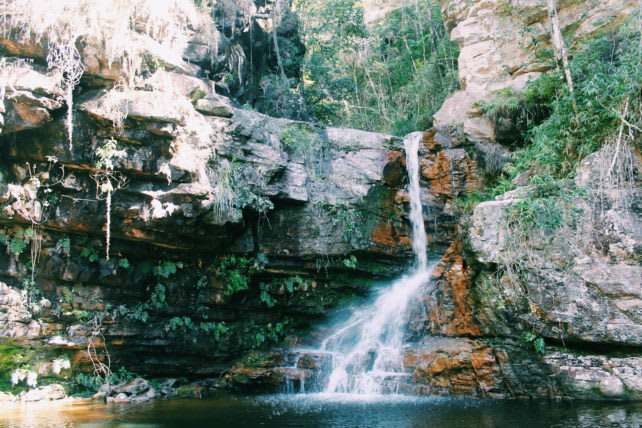
If you arrive in the morning and still have the energy to explore, I suggest doing what I did and starting with the trail to Poço da Angélica and Cachoeira da Purificação. It’s one of the easiest hikes from Vale do Capão and the scenery is quite different from most other trails in the area.
It starts in Vila do Bomba, 8 km from the center of the village. It takes around one hour each way and has few steep sections. The entire trail is shaded. You just need to watch your step because of the rocks and branches, but overall, it’s a fairly easy hike.
The final destination is Cachoeira da Purificação, considered one of the coldest waterfalls in Chapada Diamantina. It’s worth getting in, even if only for a little while! You should also stop at Poço da Angélica, a natural pool along the way.
Day 2: Cachoeira da Fumaça and Riachinho
Cachoeira da Fumaça
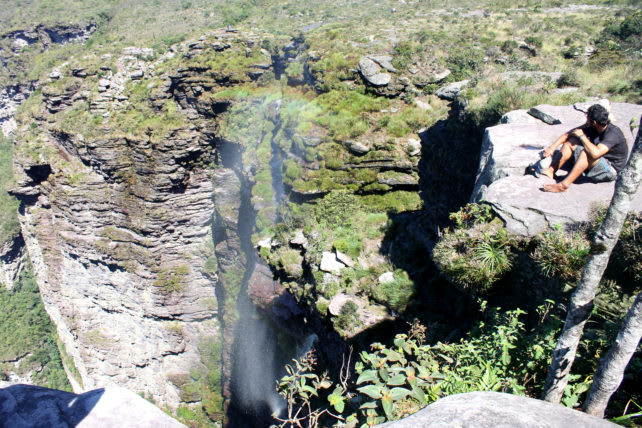
On your second day, I suggest starting with one of Chapada Diamantina’s most iconic sights. Cachoeira da Fumaça is one of the most famous waterfalls in the region and there are ways to go near it, but the most common choice is to see it from a distance. To reach the top and see the waterfall from the classic viewpoint, you’ll need to hike about 5 km from a small village in the Vale do Capão area.
The hike takes around two hours. The trail isn’t technically difficult but be prepared for a workout on the way up — and be kind to your knees on the way down — because a good part of the route is quite steep.
Riachinho
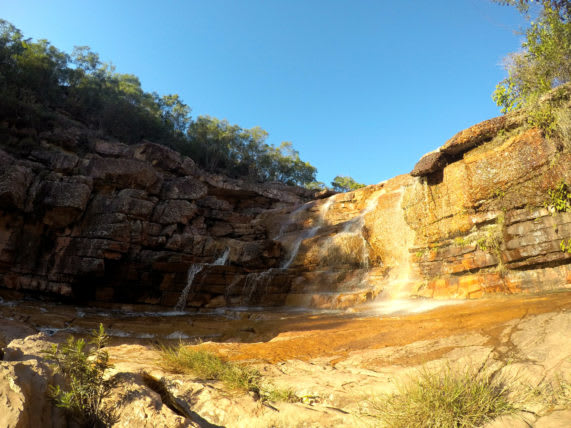
On your way back from Cachoeira da Fumaça, head straight to Capão’s “beach”: Riachinho, a small waterfall located about 5 km from the village, towards Palmeiras. Many people hitch a ride there, and motorcycle taxis are also an option if you don’t have a car.
Once you reach the entrance, access is very easy: you just need to walk down a 500-meter staircase. It’s a lovely place to lie in the sun on the rocks, swim in the natural pool and watch the sunset.
Day 3: Águas Claras – Travel to Lençóis
Águas Claras
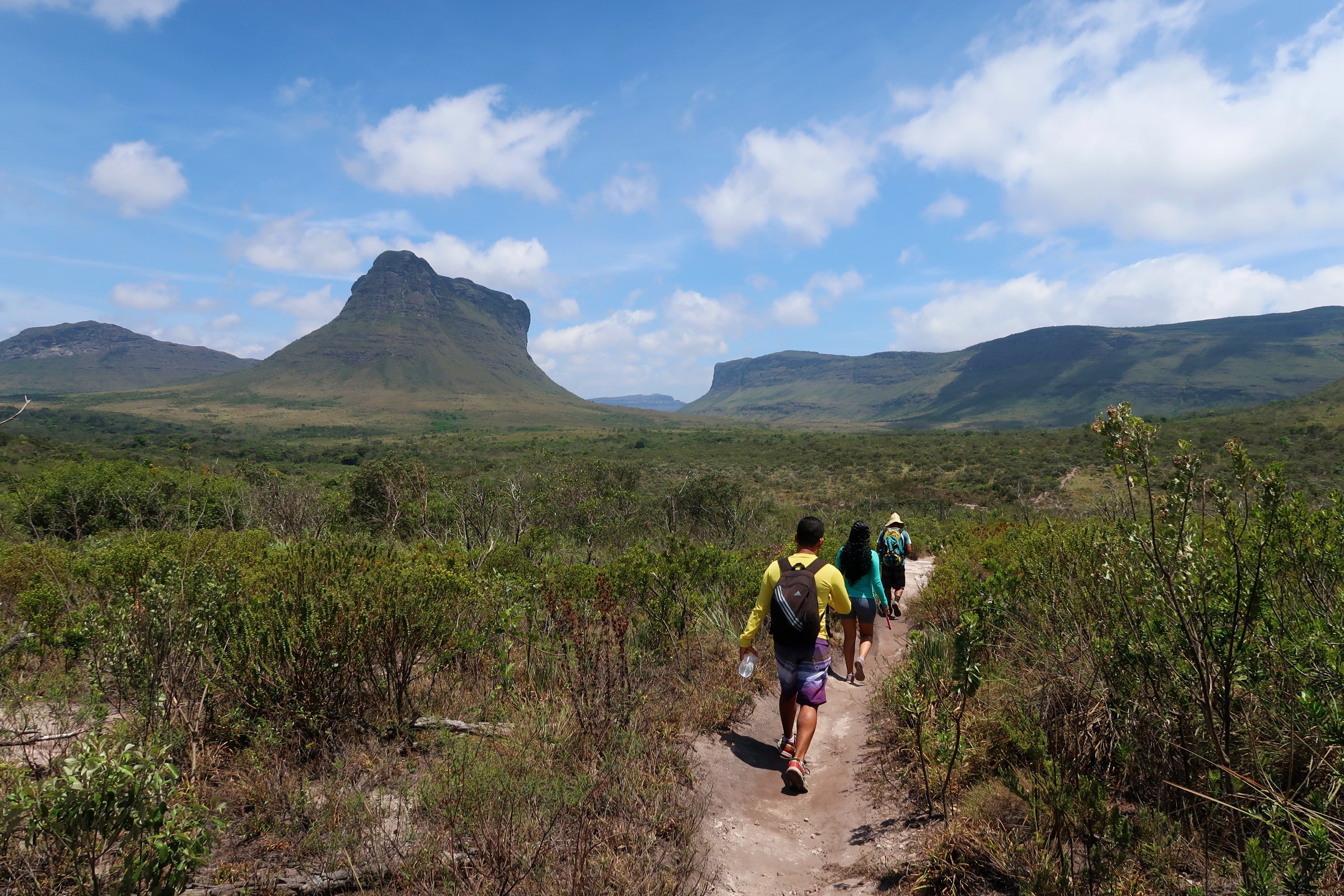
On your third day, you can say goodbye to Capão with a hike to Águas Claras. The trail is almost entirely flat, so it isn’t difficult, but you’ll be walking under the sun the whole way.
For much of the hike, you’ll have views of Morrão, which many people consider the most beautiful mountain in Chapada Diamantina. Your destination is a small but lovely natural pool with crystal-clear water (that’s the meaning of “águas claras” in Portuguese).
In the afternoon, head to Lençóis. There are several tour agencies in town offering day trips to attractions around the region. Tours usually include transportation by van, a guide and lunch.
I did my tours with Chapada Adventure Daniel and highly recommend them. Everything was very well organized. Other reputable operators in Lençóis include Venturas and Nas Alturas.
If you don’t have a car or don’t want to visit every attraction independently, your arrival day is a good opportunity to stop by a few agencies and book tours for the following days. I also recommend wandering around Lençóis’ small town center and having dinner at one of its restaurants.
Another option: Ribeirão do Meio
If you skip the Águas Claras hike in Capão and arrive in Lençóis early, another option is the easy hike to Ribeirão do Meio, which is very close to the town center. It’s a short trail, taking around one hour.
I went with some people from my hostel who had already been there and knew the way, but you can ask for directions or get a map and go independently. Just pay attention, as the trail forks in a few places.
I didn’t swim at Ribeirão do Meio, but I loved sitting by the water and enjoying the silence and the scenery, which was beautiful even on a cloudy day. The highlight here is the natural “waterslide”: a smooth rock that you can slide down into the pool.
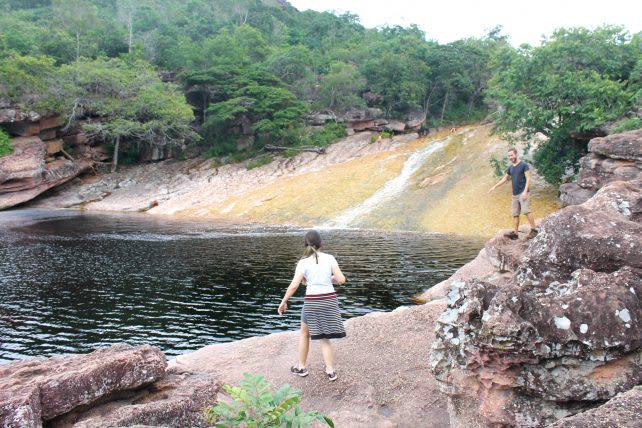
Day 4: Poço Encantado and Poço Azul
Poço Encantado and Poço Azul
Imagine ancient caves filled with incredibly clear, blue water. It’s no surprise that Poço Azul and Poço Encantado, which are usually visited on the same day, are among the most popular attractions in Chapada Diamantina.
At Poço Azul, you can float in the water wearing a life jacket and snorkel provided on site, with each group getting around 20 minutes in the water. Swimming isn’t allowed at Poço Encantado, but the place is breathtaking even when seen from outside the water.
The two caves are about an hour’s drive from each other, in towns called Nova Redenção and Itaetê. They’re just over 80 km from Lençóis and even closer to Mucugê and Andaraí. If you have a car and plan to stay in either of those towns, I suggest visiting the two pools from there. Otherwise, you can visit from Lençóis, either driving yourself or joining a tour.
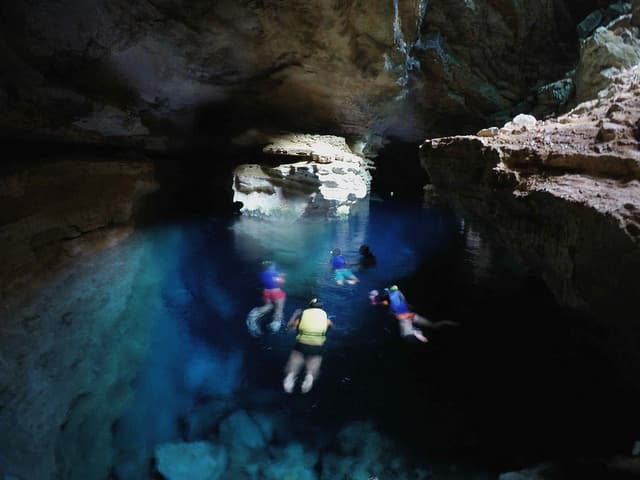
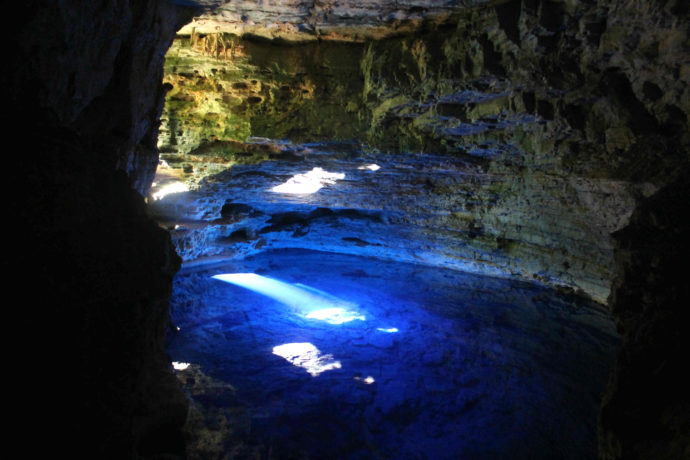
Marimbus Wetlands
“But if I save Poço Azul and Poço Encantado for later, what can I do on this day instead?” you might be wondering.
One option is a place I didn’t manage to visit myself but heard great things about: Marimbus. It’s a vast wetland covered in aquatic vegetation, creating a landscape that’s very different from most of what you’ll see elsewhere in the region.
You can access it from the quilombola community of Remanso, about 22 km from Lençóis. From there, visitors take a canoe trip through the wetlands towards Cachoeira do Roncador.
Day 5: Poço do Diabo and Cachoeira do Mosquito
Poço do Diabo
For day five, I suggest another great combination of attractions. Start with a hike of around 1 km along the Mucugezinho River to Poço do Diabo, a large natural pool with dark, Coca-Cola-colored water.
I loved swimming there, and activities such as rappelling and ziplining are usually available.
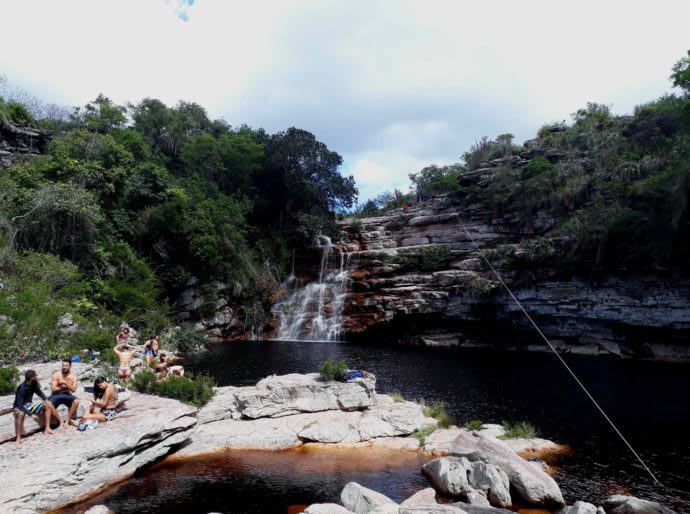
Cachoeira do Mosquito
Afterwards, we went to Cachoeira do Mosquito, which was one of my favorite waterfalls in Chapada Diamantina. An easy hike of around 30 minutes takes you to the waterfall, which drops between stunning rock walls.
There isn’t really a natural pool at the bottom, but the scenery more than makes up for it. I also loved learning where the waterfall’s name comes from: diamond miners used to call the tiny diamonds found in the area mosquitinhos, or “little mosquitoes.”
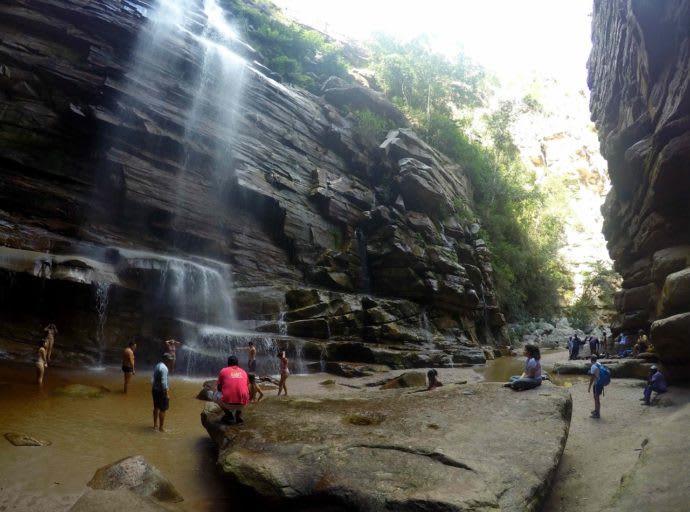
Day 6: Gruta da Lapa Doce, Pratinha and Morro do Pai Inácio
Gruta da Lapa Doce
On this day, I visited three attractions that were quite different from each other, starting with Gruta da Lapa Doce. The cave is part of a 42-km cave system. Only 850 meters are currently open to visitors, but that’s already enough for a very interesting experience. You’re required to visit with a guide, in small groups.
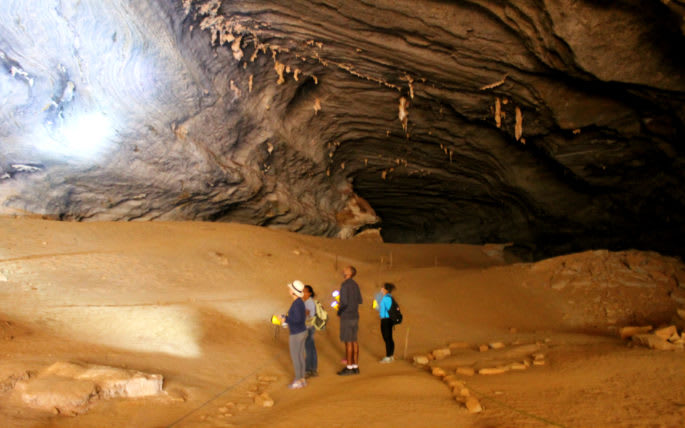
Fazenda da Pratinha
Fazenda da Pratinha is a privately owned complex offering activities such as kayaking, paddle boats, ziplining and snorkeling inside Gruta da Pratinha.
It’s a well-developed tourist attraction and might be especially appealing to families with children, but it’s not really my “vibe,” since I prefer places that feel more natural. My favorite part was Lago da Pratinha, with shallow, pleasantly warm water that’s great for swimming. It feels like a huge natural swimming pool filled with crystal-clear water.

Morro do Pai Inácio
Just 30 km from Lençóis, you’ll find Chapada Diamantina’s most iconic postcard view: Morro do Pai Inácio. If you have a car, it’s very easy to visit independently. You can park near the beginning of the climb, and although the path is steep, it’s straightforward.
The most beautiful — and busiest — time to visit is sunset, when the views from the top are even more impressive. Just don’t wait too long to start heading back down once it gets dark, or make sure you have a flashlight with you.
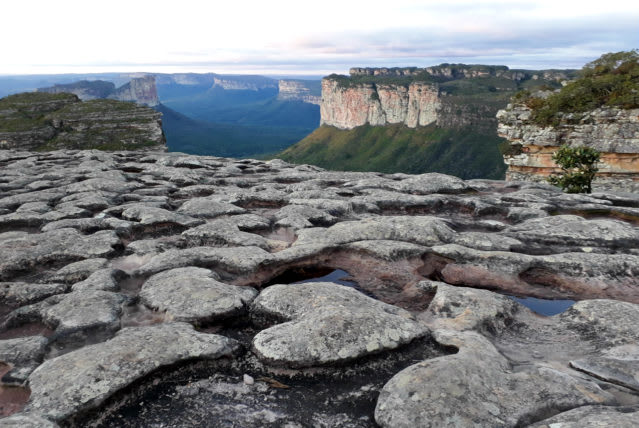
Day 7: Cachoeira do Sossego
I ended up missing the hike to Cachoeira do Sossego because I was traveling alone and couldn’t find a group to join, but it’s definitely on my list for my next trip to Chapada Diamantina.
Although the trail starts close to Lençóis’ town center, you should do this hike with a guide. It’s around 7 km each way, with moderate difficulty, and the round trip takes about 4.5 hours.
People say both the trail and the waterfall are beautiful, but the route can be demanding and requires some attention. From what I’ve read, some sections involve climbing up and down rocks, others follow dirt trails, and at some points you need to make your way through parts of the river.
Day 8: Parque Municipal da Muritiba
An easier option that you can reach on foot from central Lençóis is Parque Municipal da Muritiba, also known as Serrano. It’s almost like a “natural attraction complex,” located about a 15-minute walk from the town center, with several places you can visit on the same day.
There are the Caldeirões do Serrano, which are a bit like Lençóis’ local “beach”; the Salões de Areias Coloridas (Colored Sand Halls); Poço Halley; Cachoeirinha; and Cachoeira da Primavera. Because it’s so easy to reach, the area is also very popular with locals.
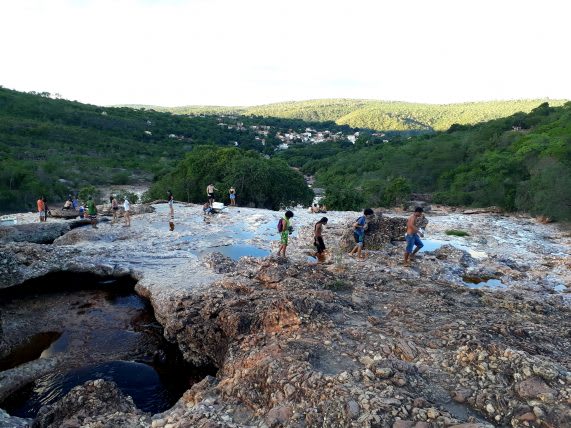
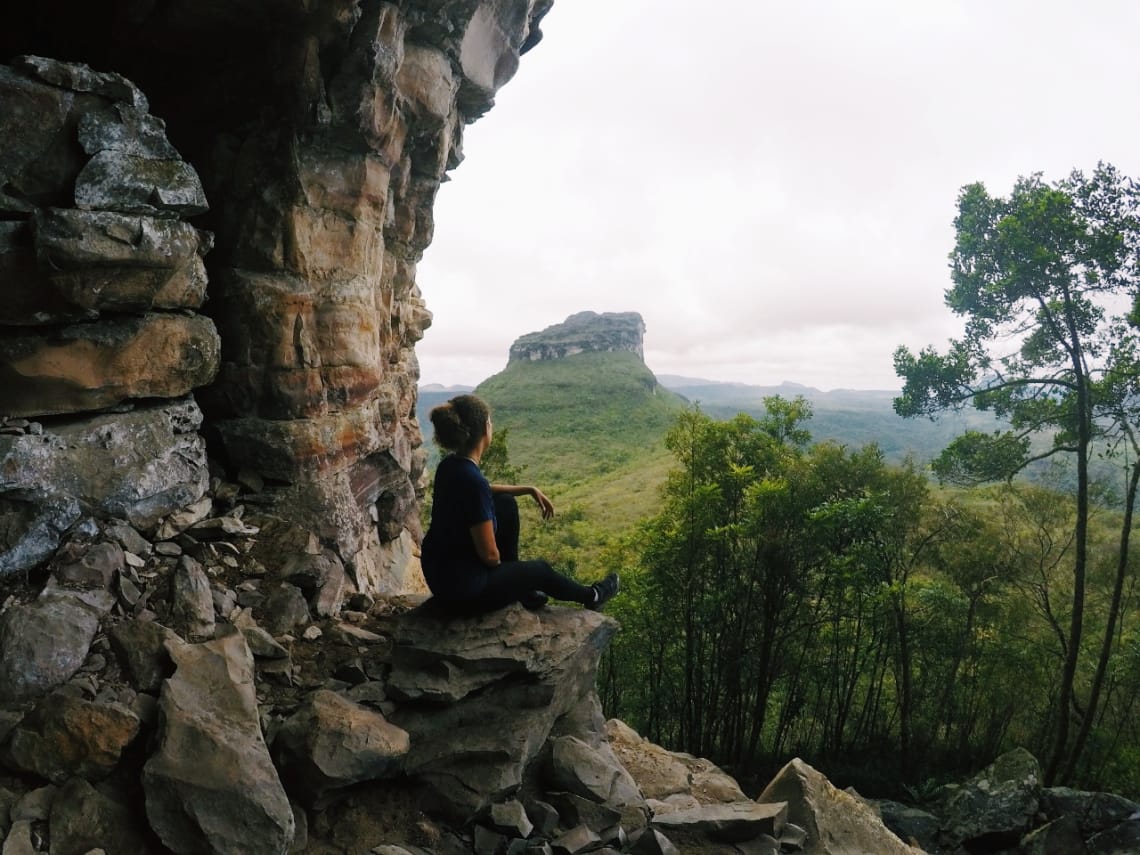
Days 9, 10, 11, 12 and 13: Pati Valley Trek
Still full of energy after about a week exploring Chapada Diamantina? Most of the hikes and activities I’ve suggested so far are relatively easy. But if you have enough time and are up for a bigger challenge, I highly recommend trekking through Vale do Pati (Pati Valley). It was one of the best travel experiences I’ve ever had.
Vale do Pati is located inside Chapada Diamantina National Park, a protected area managed by Brazil’s Chico Mendes Institute for Biodiversity Conservation (ICMBio). For many years, the area was used for diamond mining and later for coffee farming.
At the height of economic activity in the valley, around 3,000 people lived there, and there was even a school, a church and a local government office. Today, just over 10 families remain, and almost all of them make a living from tourism. The trails that were once used to transport coffee are now walked by hikers.
There are three main access points to Vale do Pati: Guiné (in the municipality of Mucugê), Vale do Capão and Andaraí. You can enter or exit through any of them, but whichever route you choose, expect plenty of kilometers of uphill and downhill hiking. I started in Guiné and finished in Andaraí.
Vale do Pati is famous for being one of the most spectacular treks in Brazil, and there’s certainly no shortage of incredible scenery along the way. But I have to admit that what I loved even more was the sense of personal achievement, the opportunity to connect with the local culture and the experience of being completely offline and immersed in it all, since there’s no cell phone signal in the valley.
There are several ways to trek through Vale do Pati. Some people spend just one night there, with one day dedicated to entering the valley and another to leaving it, visiting places such as Mirante do Pati along the way. But three- to five-day itineraries are more common. I did the trek over 4 days and 5 nights and wished I could have stayed a little longer.
And although it can be physically demanding, I managed it without being particularly fit at the time. If you don’t have any health issues, enjoy hiking and are mentally prepared for the challenge, it’s definitely doable. I did it with Chapada Adventure Daniel and recommend the experience.
Day 14: Cachoeira do Buracão
To finish this epic Chapada Diamantina itinerary with a grand finale, I suggest visiting Cachoeira do Buracão, which many people consider the most impressive waterfall in the region.
Tour agencies offer day trips there from Lençóis, but I decided against it because it’s quite far: Ibicoara is about 230 km away, and that’s where you’ll find Parque Municipal do Espalhado and the trail to Cachoeira do Buracão. Ideally, I’d recommend doing this trip from somewhere farther south, such as Mucugê, which is about 98 km from the starting point.
The walk through the park alongside the river already looks beautiful. But the best part comes later: visitors put on life jackets and swim through a flooded canyon to reach the waterfall, which is 85 meters high and looks absolutely stunning. I watched videos from other travelers who went there and immediately fell in love with the place.
Day 15: More things to do in Chapada Diamantina and/or departure
Still have some extra time? You could move your visits to Poço Encantado and Poço Azul to these final days, explore some of the region’s lesser-known trails (ask around once you’re there — there are plenty!) or visit Igatu, a small town known for its stone houses and walls, located near Mucugê (about 20 km away) and Andaraí (15 km away). As I mentioned, there are endless things to do in Chapada Diamantina, but if you visit half the places I mentioned in this article you’re already in for a treat.
Did you like these ideas of things to do in Chapada Diamantina? I hope you have an amazing trip!















0 Comentários